A couple of weeks ago, local supplement brand Wheyl announced that it had the unfortunate burden of having to raise prices for its protein powder products. They were quite apologetic about it, with the people in charge being fully aware of how much of a luxury protein powder is for the common Filipino athlete or lifter—a 2-lb bag or tub of a decent and trusted supplement brand, which only really has around 15 servings, would have set you back a little under P3,000.
This is just the beginning. Don’t look now, but the monthly cost for your much-needed protein powder is set to rise if it hasn’t already, all because we’re currently facing a shortage of whey protein.
Too much demand, not enough protein
Why, you ask, are we suddenly getting less of the thing after lifters have had no problems securing it for decades? It’s because of the West’s new craze of adding protein to almost every food possible: protein coffee, protein ice cream, protein waffles, protein chips—you name it, they’re adding protein to it. It was inevitable that proteinmaxxing would disrupt whey supply.
Costs for the ingredient are rising simply because the global inventory of whey protein has gone down by half since 2023. Dairy processors can’t quickly replace the stock of whey that’s being used up because, as a byproduct of the cheesemaking process, whey is not something they’re dedicating a specific manufacturing process to.
Basically, if there isn’t a spike in demand for cheese, there won’t be increased production of cheese, and therefore, there won’t be increased production of whey.
And because liquid whey is hard to produce in isolation, it’s also difficult to scale up. Again, this all just means that we’re stuck with the current speed of whey production. And as a result, whey concentrate has surged to around $3.60 per pound, while whey isolate (a purer protein that is further processed to filter out most of the fats and lactose) has surged to $11 to $12.
Naturally, supplement manufacturers and food companies who are steadily making protein-infused products need to accept what the market price is and pass on the higher costs to the customer, who absolutely needs their extra grams of protein.
Alternative proteinmaxxing
Let’s make this clear: protein is and will always be good for you. Just because whey protein is getting more expensive doesn’t mean you have to consume less protein.

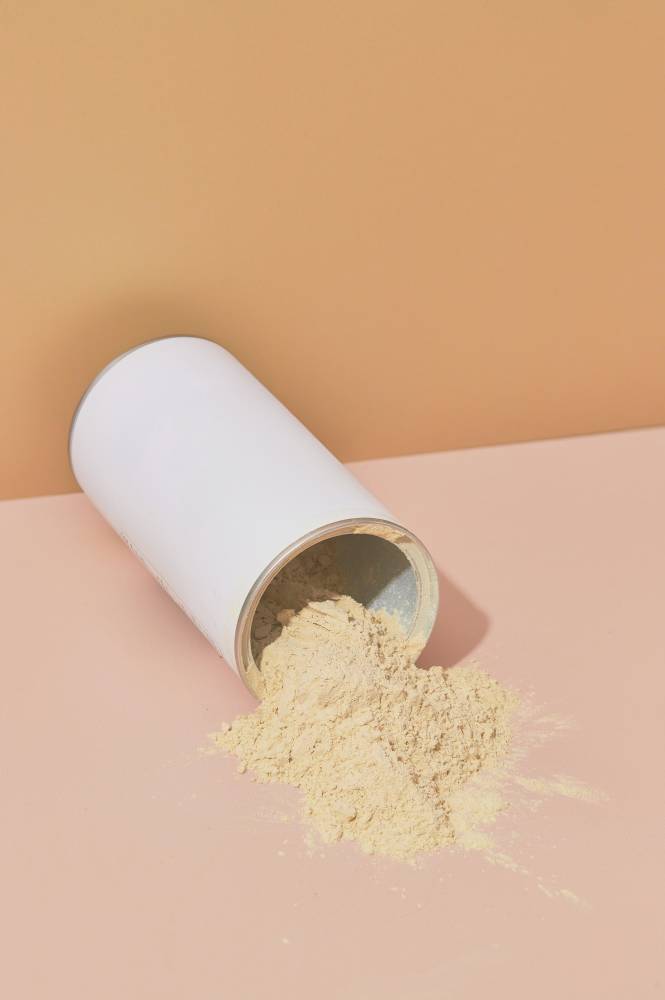
Let’s make this clear: protein is and will always be good for you
The important thing to note amid this crisis is that whey protein isn’t the be-all and end-all for meeting your daily protein goals. It is simply the leanest way you can consume more protein. If you do it the long way around, you’ll likely need to take in more calories as you take in a non-powder protein source.
That’s only bad news for those who are trying to lean out by sticking to a strict calorie count—intensely clean nutrition was already expensive to begin with, and now it’s going to be more prohibitive.
READ: Isn’t it interesting that Men’s Health Month also falls on Pride Month?
But whey isn’t the only type of protein powder around—there’s soy and casein as well. The only downside is that those sources carry fewer grams of protein per serving, which traditionally made them weaker in terms of value for money. At this point, however, paying more for protein isn’t a very high value-for-money play; it depends on your own fitness and nutrition priorities, too.
And, of course, there’s always the approach of eating whole food to get your protein. Some athletes already prefer this over downing so many protein shakes—it’s much more filling. However, you will need to be very deliberate about how you prepare your food and how much of it you eat, because whole food isn’t as simple as a scoop of protein powder.
(Though you can always try the “boy kibble” meal of ground beef and rice, prepared your way.)
READ: ‘Boy kibble’ and the maxxing of food and protein
Remember: It’s not the end of the world
Ironically, however, eating more protein-infused processed food is not actually an optimal way to hit your daily protein goals—unless you just need to bulk up without paying much attention to the calories.
This stuff isn’t optimized when it comes to the calorie-to-protein ratio. Most of these products are simply using protein as a marketing buzzword to sell to hapless individuals who think that more protein automatically means healthy. That means you’re getting maybe around 10 grams with hundreds of calories on top, potentially ballooning your weight and body fat.
All this whey protein crisis has really done is just force us to either work a little harder or pay a little more for our daily hit of the muscle-building stuff. It’s not really the end of protein altogether—just probably more of the end of protein as we’ve been taking it in the past.
That said, the best way to defeat the shortage is to make food companies realize that protein-infused products are not the winning proposal that it sounds like. People need to realize that high-protein anything is merely a trend that just isn’t sustainable.
Because beyond the powder, the best way to get it is still high-quality whole foods—not cheap ploys with only a few extra grams that make companies think they can call it “high-protein.”