For something considered as one of the most popular dishes in Japanese cuisine, sushi is, for the most part, unexplained. We just know it’s the dish with raw fish. It’s partially right.
These days, many would be able to distinguish between sashimi and sushi—the difference lies in the rice (or the lack thereof). But for the fine lines defining each type of sushi? Not really.
Sushi refers to anything made with vinegared rice—meaning whether the other ingredients such as fish, vegetables, or seaweeds are placed on top, around, or inside the rice, it’ll still be considered sushi. Generally.
But if you want to be specific, here’s how to differentiate each type of sushi:
Nigirizushi

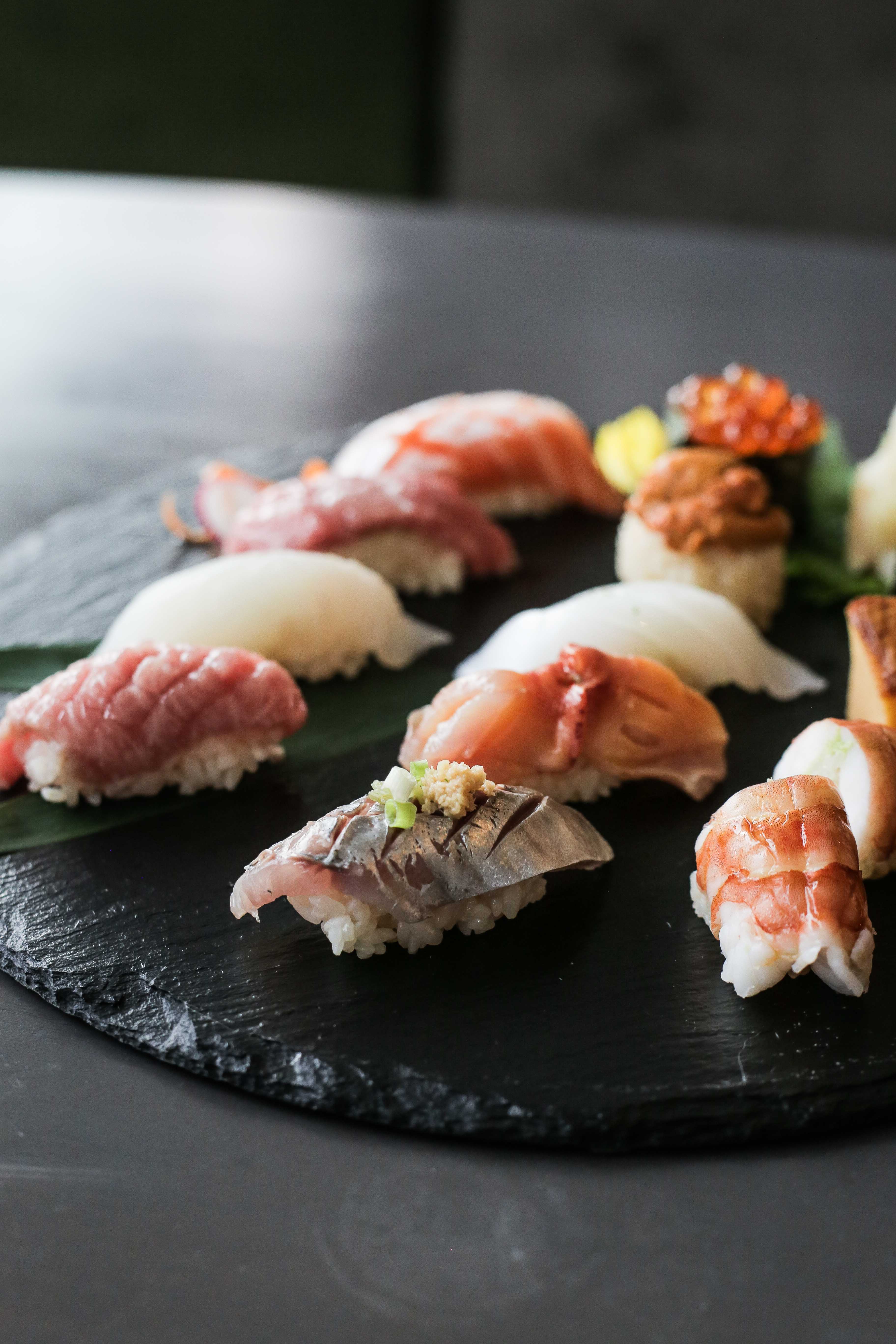
The most common image of sushi, nigirizushi is a hand-formed sushi with a topping of fish or seafood.
Maki

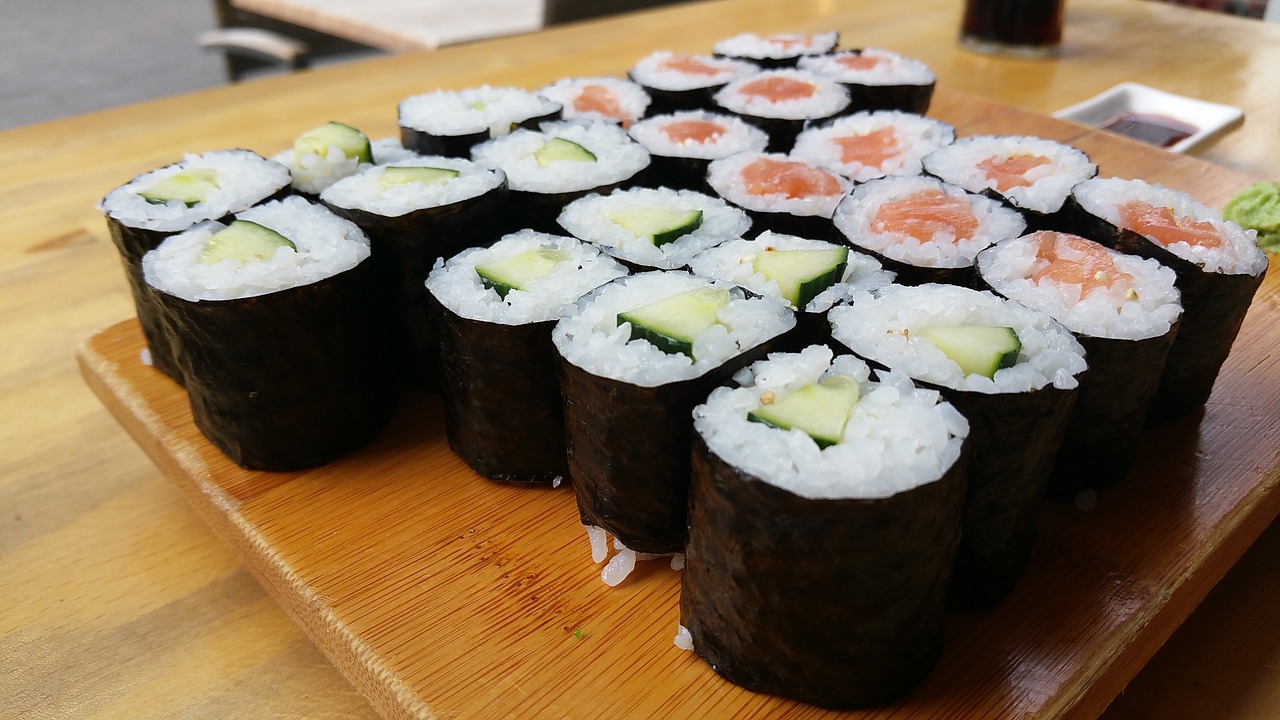
Makis are sushi wrapped into rolls with seaweed on the outside. It can be filled with a number of ingredients to make a large roll called futomaki, or a single ingredient roll called a tekkamaki.
Uramaki

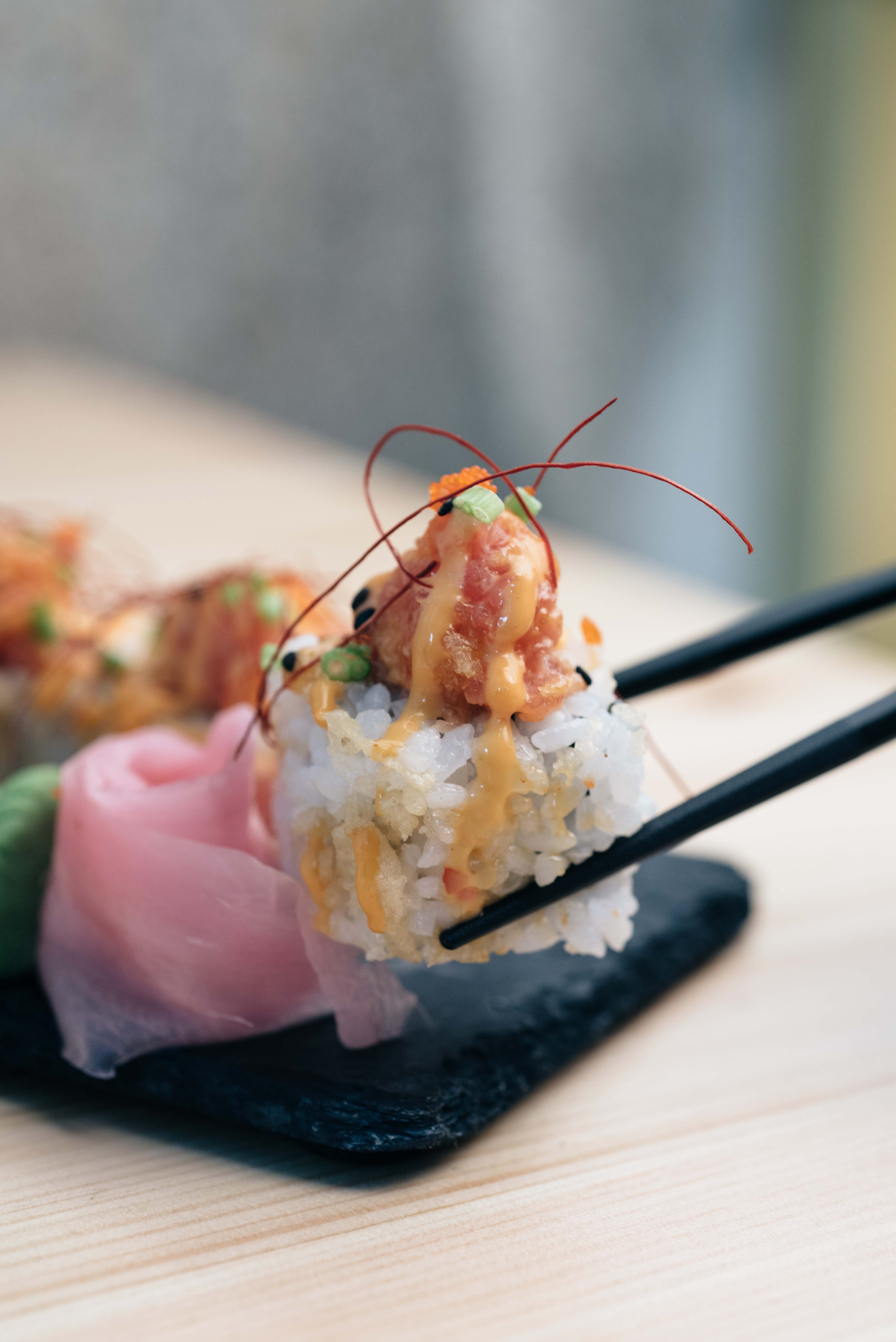
This one looks like a regular maki except the seaweed is on the inside. The California maki/roll and the dragon roll are examples of the uramaki. A bit of trivia: “Ura” means “reverse side” or “lining,” so uramaki means a reversed maki.
Temaki
Temakis aren’t as common here, though there are restaurants that serve it. A temaki is a hand-rolled sushi that comes in the shape of a cone. Also, “te” means “hand,” so yes, it’s a “hand roll.”
Inarizushi

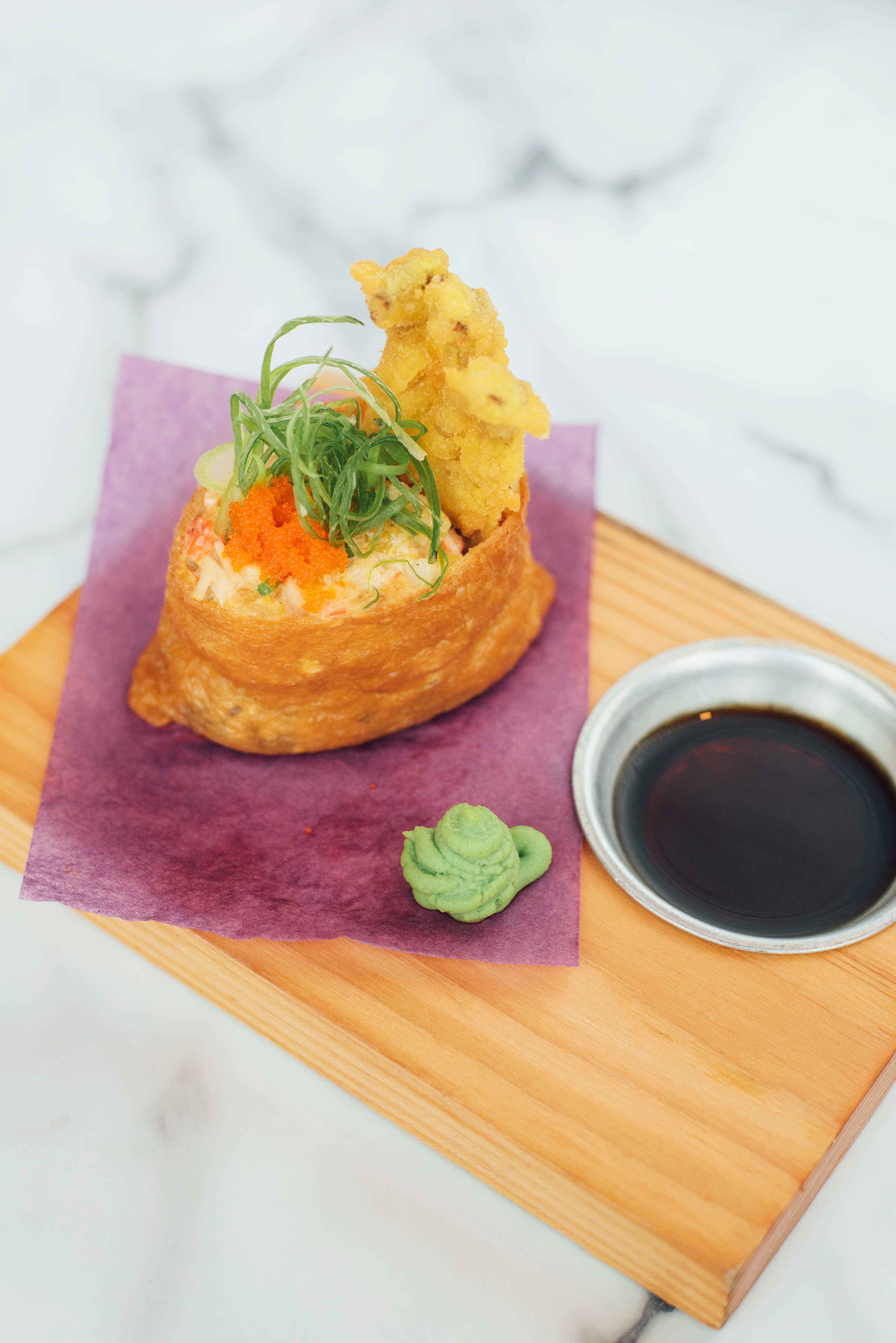
Named after the Shinto god Inari, inarizushi are balls or rolls of rice stuffed into seasoned fried tofu pockets.