Today, the man behind more than 16 brands and over 300 stores nationwide speaks with the calm confidence of someone who has weathered decades in a notoriously difficult business. Because behind the scale of Rikki Dee’s FooDee Group—from Mesa and Llaollao to Tim Ho Wan, Hawker Chan, and Mo-Mo Paradise—is a story built not solely on ambition but also on instinct, discipline, sacrifice, and family.
When asked what first drew him into the restaurant business, his answer was simple. “I grew up in a family that loved to eat,” he shares. “My mom cooked well. My grandparents cooked well. So I was exposed to good food early.”
“My mom cooked well. My grandparents cooked well. So I was exposed to good food early”
Opening the door to opportunities
That love for food eventually led him to open his first restaurant, Chin Chin—a small operation with just one cook and one door to open. Looking back now, he laughs when asked what the hardest lesson was in those early years. “Opening the first door,” he says.
Decades later, he remembers the uncertainty of those beginnings. And perhaps that is why, despite the size of his empire today, he still speaks about the business with humility.

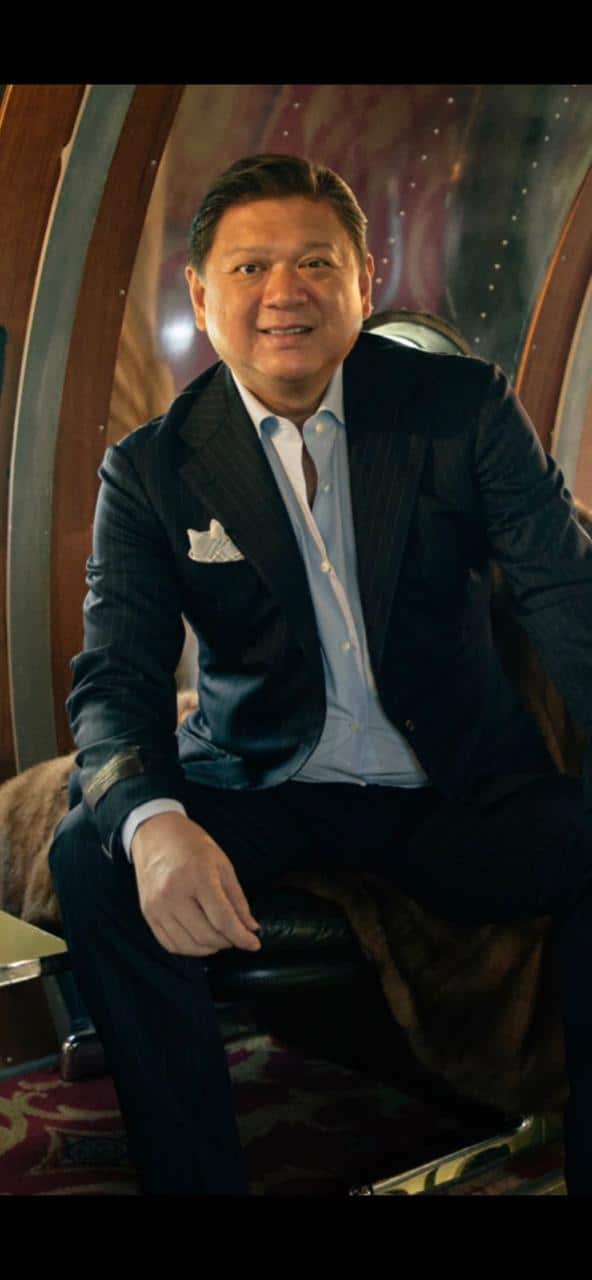
“Every time I open a new store, I still get goosebumps,” he admits. “You never really know what’s going to happen next.”
For someone with over 300 stores under his belt, that honesty is refreshing.
Dee is also the first to admit that the restaurant business is not for everyone. “If given a choice,” he says candidly, “I probably wouldn’t do this again. It’s too tedious. It’s 24/7.”
And yet, despite the sleepless nights and constant pressure of staying relevant, he stayed. Why? Because beyond the business itself was always a larger vision: legacy.
“If given a choice,” he says candidly, “I probably wouldn’t do this again. It’s too tedious. It’s 24/7”
Very early on, he already knew he wanted to build something that would outlive him—something his children could continue and grow.
Today, that dream is unfolding before his eyes.
His children now actively help run different parts of the business. His eldest daughter oversees the wildly successful Llaollao, while his sons have ventured into food, retail, and lifestyle concepts, bringing fresh ideas and a younger perspective into the company.

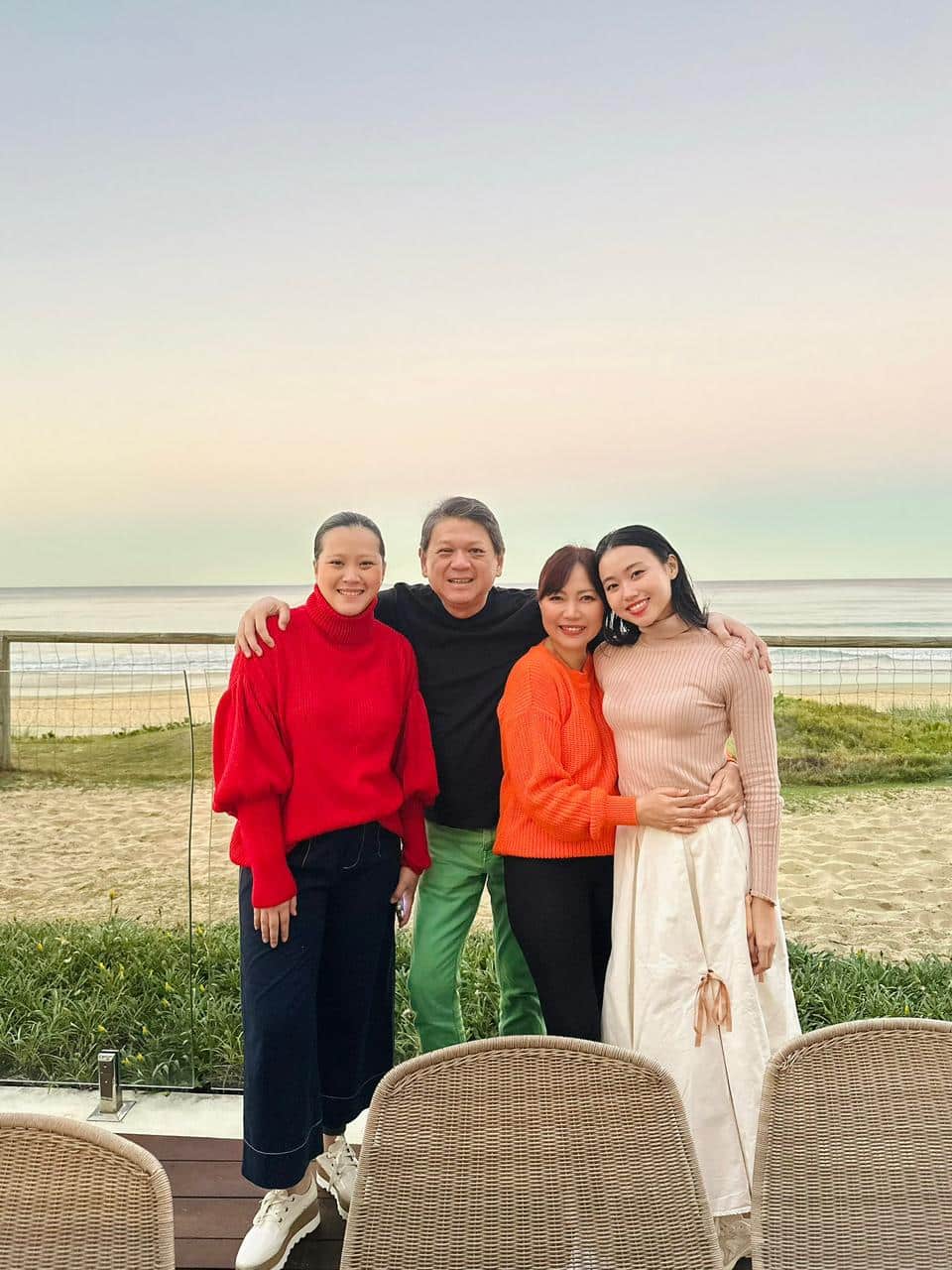
But what struck me most during our conversation was how intentional he was as a father.
The restaurant business, after all, is a business that robs one of weekends, holidays, and family time. So instead of resisting it, he brought his children into it. He tagged them along during store visits. He exposed them to operations, decision-making, and the realities of hard work early on.
And then, every year, no matter how busy things became, the family traveled together.
“Traveling became part of the system,” he shares. “Every trip had a purpose—to discover what was new, what people were eating around the world.”
“Traveling became part of the system. Every trip had a purpose—to discover what was new, what people were eating around the world”
Travel, for him, was never indulgence. It was education. Inspiration. Fuel.
Perhaps that is also why his brands continue to evolve. He understands that staying relevant means continuing to move, continuing to learn, and continuing to create.
“We cannot stop,” he says plainly. “If we stop, we won’t stay relevant anymore.”
Still, for all the growth and success, he remains grounded in old-school values: prudence, hard work, respect for elders, and earning one’s place. “I never spoiled my children,” he says. “You have to work for your money.”
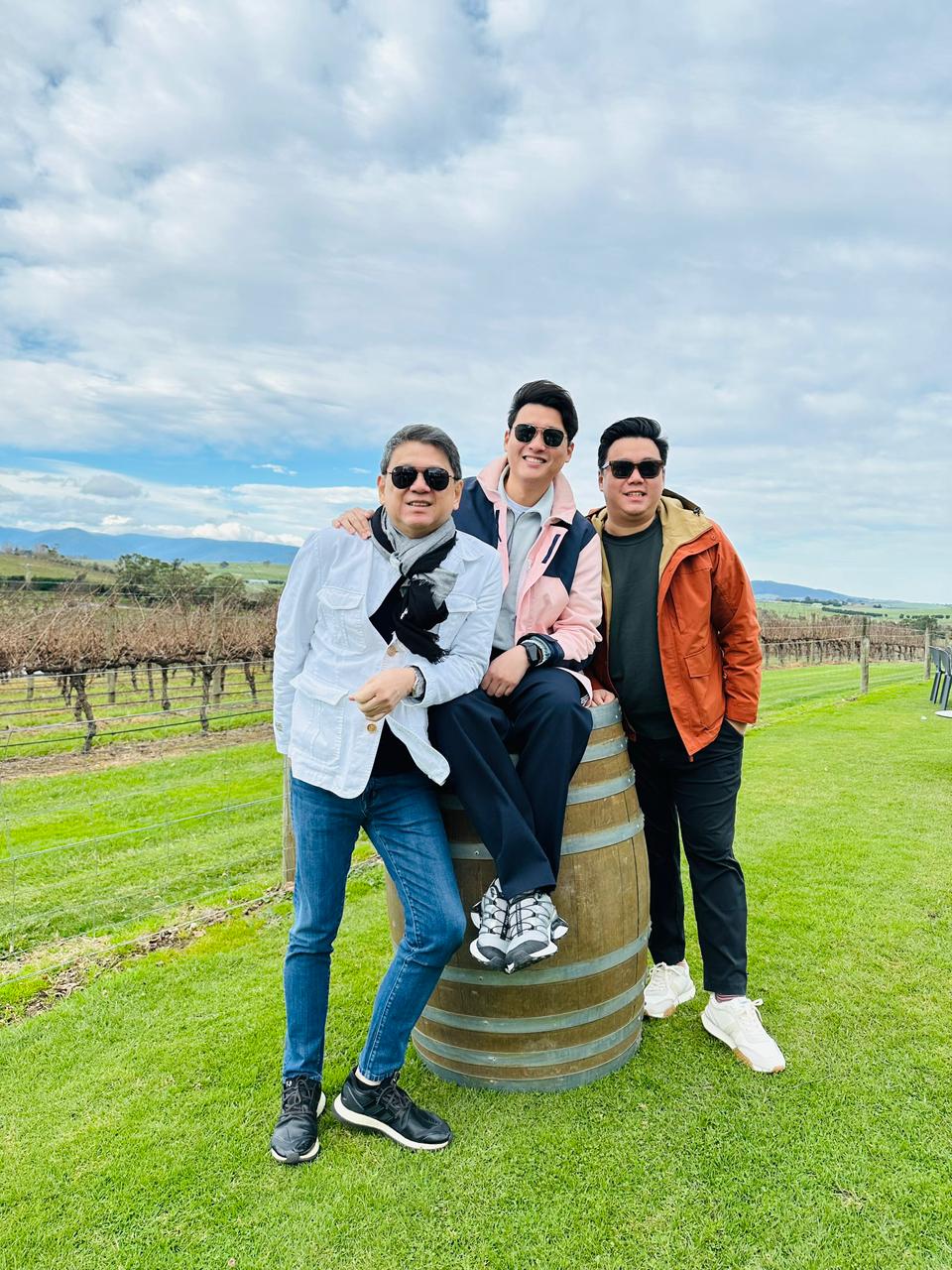
What was especially moving was hearing him speak not about expansion, but about family.
To him, success is no longer measured by material things.
“When I was younger, I was hungry,” he says. “I wanted a car. A house. But today, success is legacy. It’s making sure the next generation becomes better than me.”
“When I was younger, I was hungry. I wanted a car. A house. But today, success is legacy. It’s making sure the next generation becomes better than me”
And perhaps that is the true heart of the story.
Beyond the restaurants, the brands, and the scale, what Dee seems most proud of is not what he built—but who he built it for.
At this point in his life, he no longer speaks like a man chasing success. He speaks like a father, making sure the table is set for the next generation.
And somehow, after all these years in business, that may be his most beautiful achievement of all.
The lessons Rikki learned
- Success in the first few years does not guarantee long-term survival.
- Sustaining momentum is far more difficult than opening a successful restaurant.
- A restaurant business can survive without a hands-on owner—but only with strong systems and professional management.
- Owners must still shape the vision, strategy, taste, and direction of the brand.
- Food quality is the one standard he refuses to compromise.
- Today, good food is no longer enough—dishes must also look visually appealing and tell a story.
- He believes relevance comes from continuously creating and introducing new concepts.
- Travel remains one of his greatest tools for discovering trends, concepts, and ideas.
- Even highly accomplished restaurateurs still feel fear and uncertainty when opening new stores.
- Growing organically taught him prudence, though he admits he could have been more aggressive earlier on.
- Family businesses work best when responsibilities are clearly defined and decentralized.
- Giving each child ownership of a different business unit helped avoid overlap and conflict.
- Children should learn the value of hard work and not expect success to be handed to them.
- He believes the next generation should ultimately become better than the one before it.
- Legacy, to him, is not just about building brands, but building a foundation future generations can grow from.
- Not every internationally celebrated concept translates to the Filipino market. Some of his least successful ventures were Michelin-starred and fine dining concepts—proof that prestige alone does not guarantee success.
- A two-star Michelin concept from Milan failed locally despite its pedigree.
- His Michelin-starred ramen concept struggled because the product did not resonate with Filipino diners.
- Passion projects do not always become profitable ventures.
- The market ultimately decides what survives.
Rikki Dee’s braised ox tail
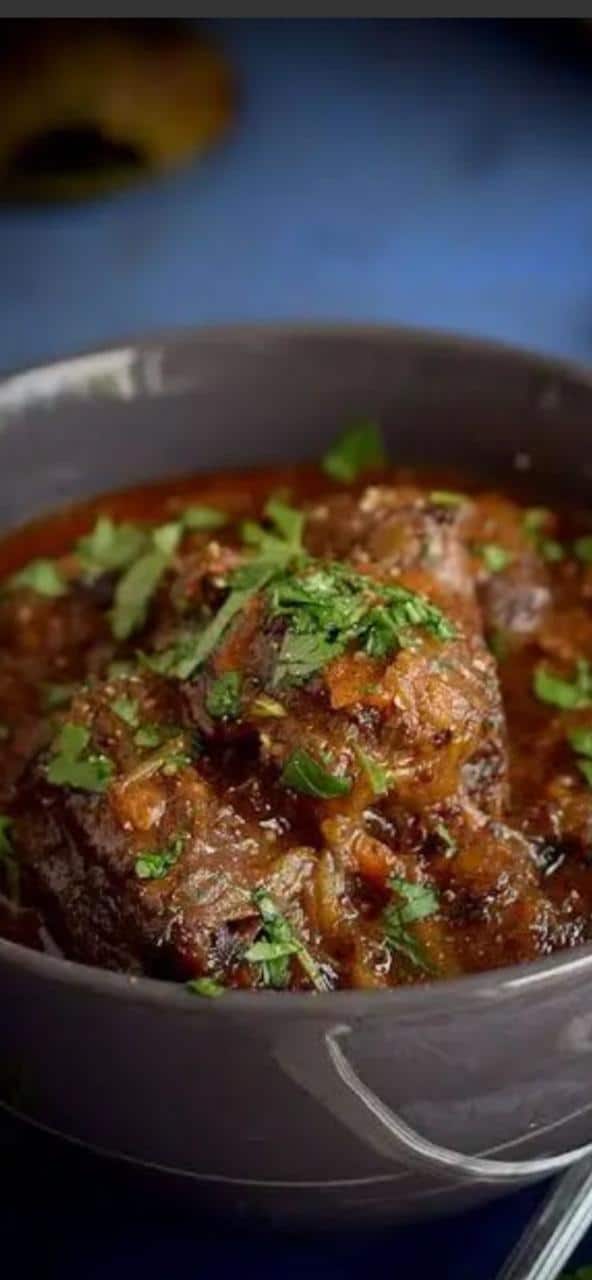
Ingredients
1.5–2 kg oxtail, cut into pieces (skin on or skinless)
4–5 cloves garlic, smashed
1 thumb-size ginger, sliced
2–3 Tbsp oil
3 Tbsp light soy sauce
2 Tbsp dark soy sauce (for color + depth)
2 Tbsp oyster sauce
1–2 Tbsp sugar (or rock sugar if you have)
1 Tbsp Shaoxing wine (or dry sherry)
2–3 cups water or stock
2 star anise
1 cinnamon stick
2 bay leaves
Optional: dried orange peel or a small piece of tangerine peel
Procedure
1. Blanch the oxtail (clean flavor)
2. Boil water, add oxtail, and cook for 5 to 7 mins.
3. Drain, rinse, and clean off scum
4. Heat oil, add sugar, let it melt and turn light amber
5. Add oxtail, toss until lightly browned
6. Add garlic and ginger, sauté until fragrant
7. Add soy sauces, oyster sauce, and wine
8. Add spices, water, and stock enough to cover
9. Simmer over low heat for three hours or until fork-tender
10. Once tender, uncover and simmer to thicken till sticky
11. Garnish with fresh wansoy
12. Serve with boiled bok choy and steamed rice or congee