When I first saw “Grace,” I had seen several members of the church—priests, nuns—in the audience. I was curious what their thoughts might have been to the play. This time, I saw an audience member in a shirt that bore the words “Mary, Mediatrix of all Grace.” A devotee. A month ago, on the way out of a church, I came across a small display of various statues of Mary, and among the images was one of Mary, Mediatrix of all Grace.
The Church has made its stance—its truth—clear: the apparitions in Lipa in 1948 were not supernatural, they announced in a decree. But “Grace,” the final masterpiece late playwright Floy Quintos left before his passing, sheds light on numerous other truths.
READ: A masterclass in storytelling, Floy Quintos’ Grace’ is both veneration and scrutiny of faith
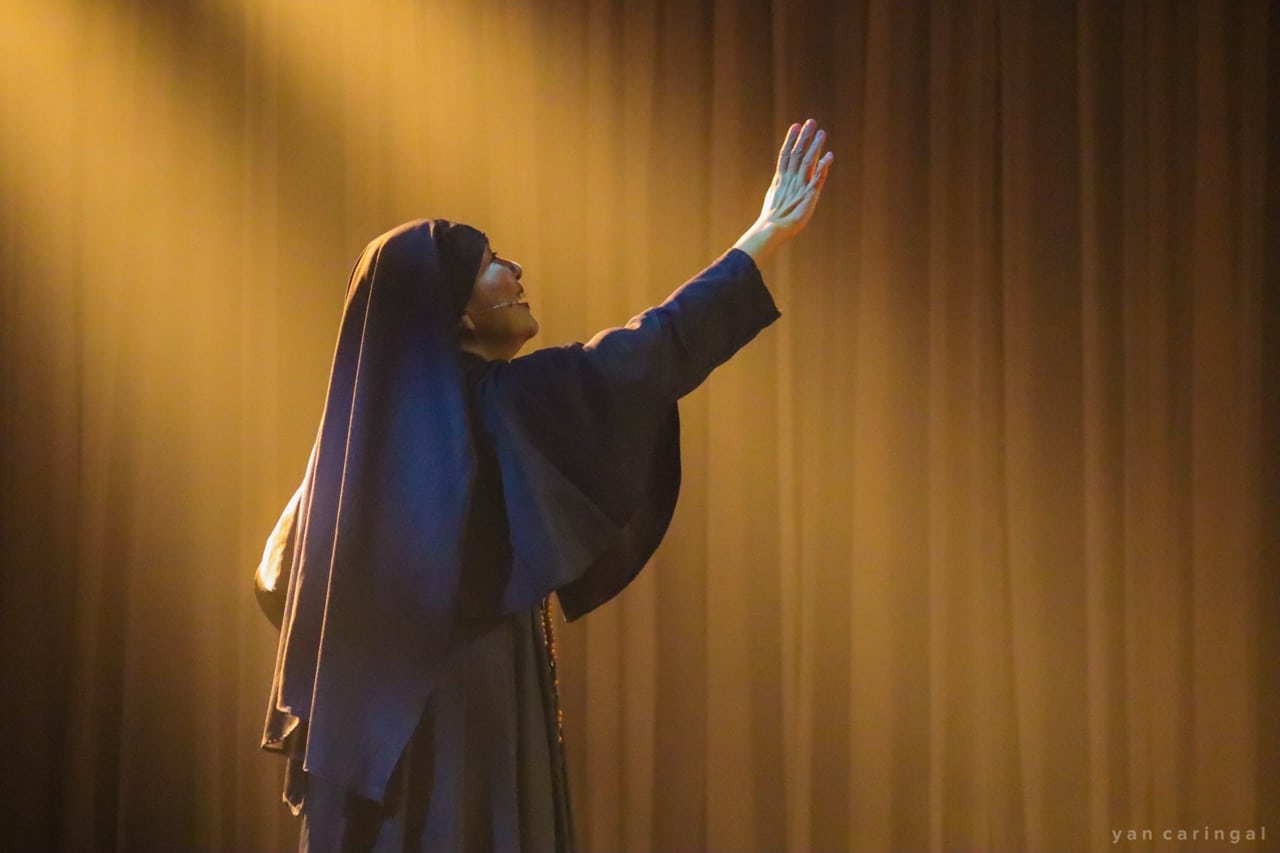
The story revolves around the controversial Lipa apparitions, a real-life event, but fictionalized for the stage. And while it involves characters in religious orders, it opens the conversation for more universal matters.
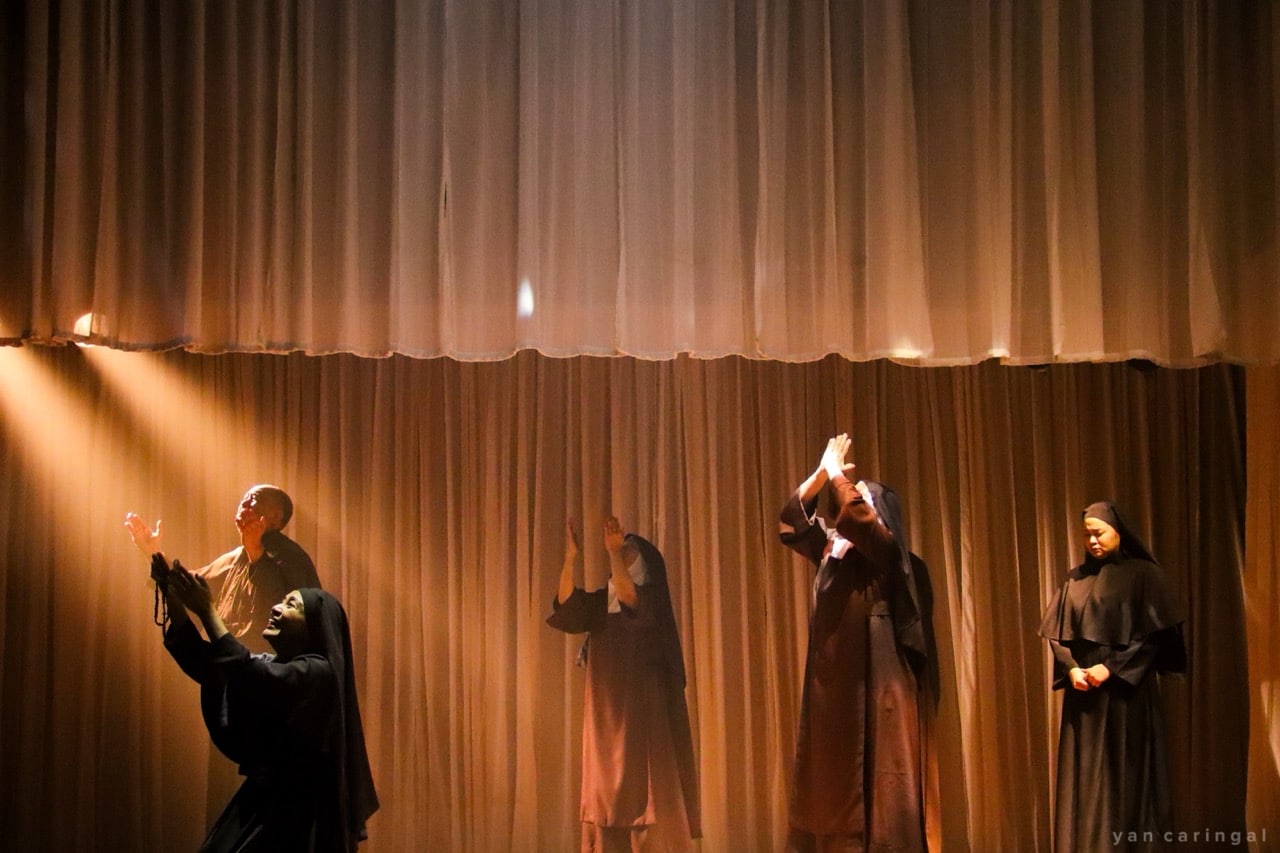
A year after its first staging, “Grace,” staged by Encore Theater this time at the PETA Theater Center, remains compelling and intriguing, a testament to the timelessness and universality (for better or worse) of the issues it brings to light. Even audiences who may have already seen its previous iterations will still find it gripping and engaging, thanks to the powerful veteran cast who carry the story with much care. The whole company succeeds in keeping you glued onto the mysteries unfolding.
Seeing “Grace” again after a year is a solemn reminder of how much time passes and how sometimes, despite the passage of such time, much doesn’t change. It is a reminder that, even till today, those in power—often men, often white—still have greater control over history and the narrative that prevails. It is a reminder to not let the (very human) desire for power to supersede the need to be more understanding, caring, and compassionate.
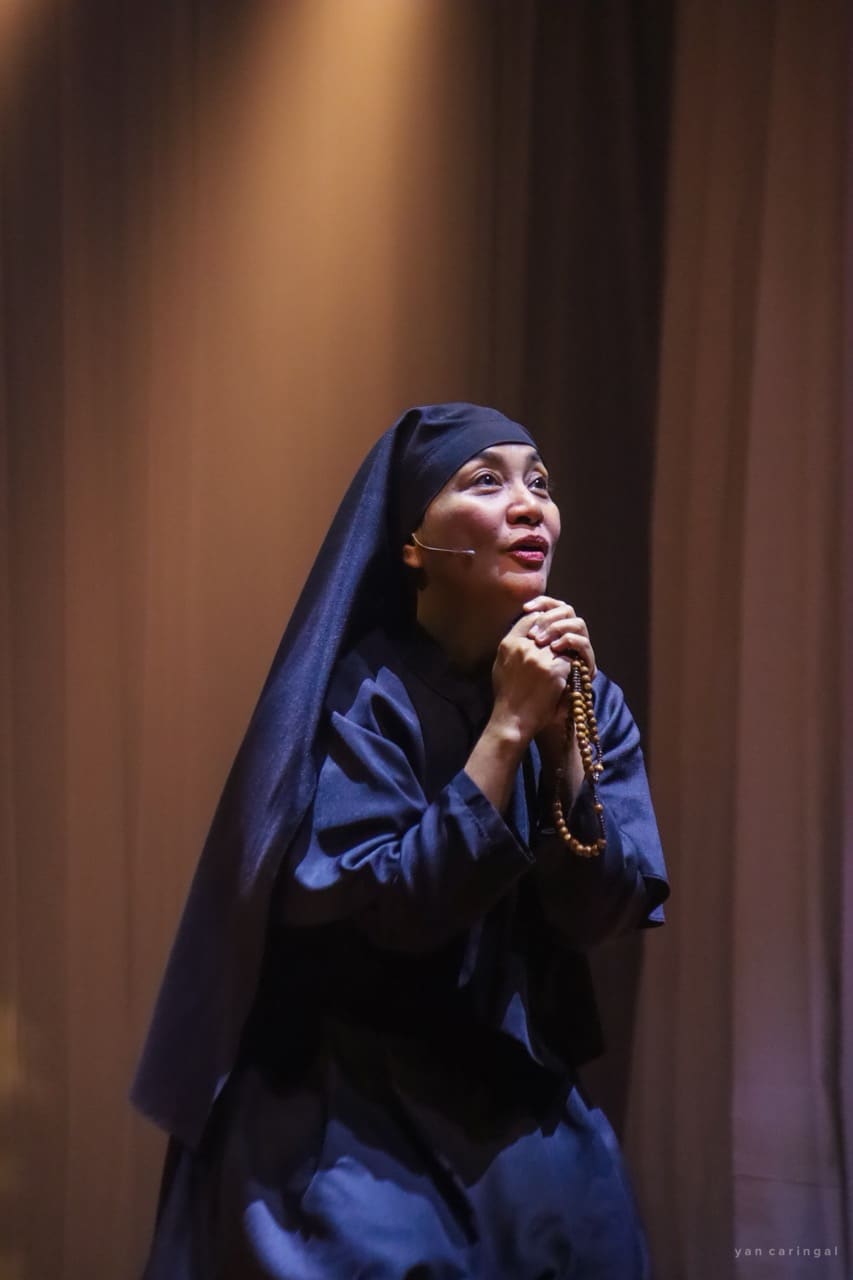
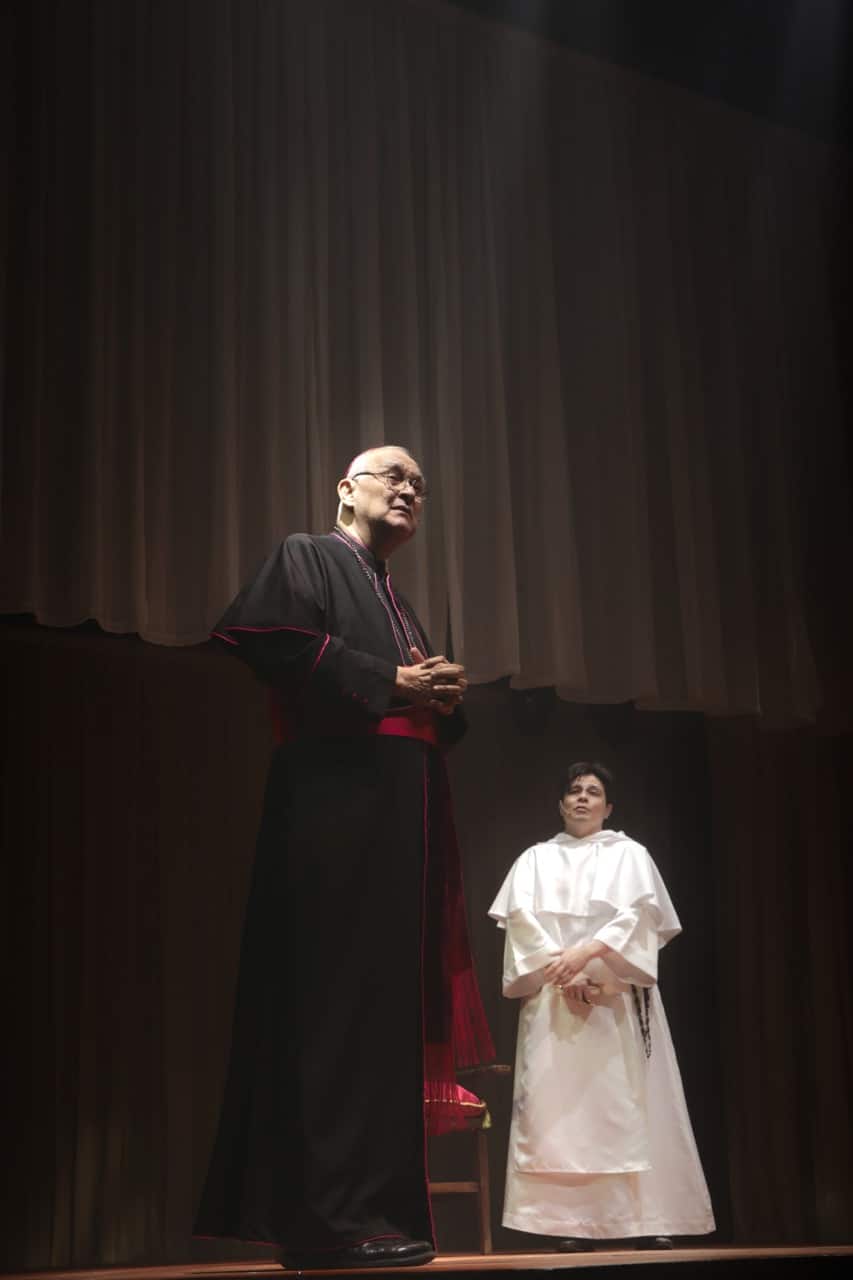
Last year, reflecting on seeing “Grace” for the first time, drew me to focus on how much the play reflects our Filipino identity, not just through faith, but also through expressions of truth and our relationship with authority. This time, what struck me more was the women in the story—their relationships, their behaviors, their beliefs, and the way they were treated, both by men and by their fellow women.
The nuns of the Lipa convent being referred to as “little nuns” and the theological mansplaining by the church authorities emphasized the superiority that the men of the church deemed they had over these women. The structure of the Church strengthened the patriarchal system already prevalent in Filipino culture, making the poor treatment of the nuns—women—even more uncomfortable. So it was undeniably satisfying to hear the nuns speak up and take up space, stand their ground when they were being questioned. It made Teresita’s quiet defiance even more profound.
Despite its undeniably spiritual circumstances, “Grace” is also wholly human. It contrasts the faults (and virtues) of humans by setting it against the backdrop of the church, all while also being valid commentary on social issues that the church, too, has a hand in.
“Grace” remains that masterfully woven theater piece that, with every viewing, continues to be a revelation.
“Grace” by Floy Quintos runs until June 29 at the PETA Theater Center, Quezon City. Starring Stella Cañete-Mendoza, Shamaine Centenera-Buencamino, Frances Makil-Ignacio, Leo Rialp, Dennis Marasigan, Jojo Cayaybyab, Matel Patayon, Raphne Catorce, Reb Atadero, and Marynor Madamesila. Directed by Dexter Santos, with production design by Mitoy Sta. Ana, lighting design by John Batalla, graphic and video design by Steven Tansiongco, music and sound design by Arvy Dimaculangan, assistant direction by Mikko Angeles, technical direction by Meliton Roxas, Jr., and dramaturgy by Marvin Olales and Davidson Oliveros.