Creating a historical film is like walking a tightrope. One wrong move and you risk distorting the past. Be too careful and you risk your storytelling.
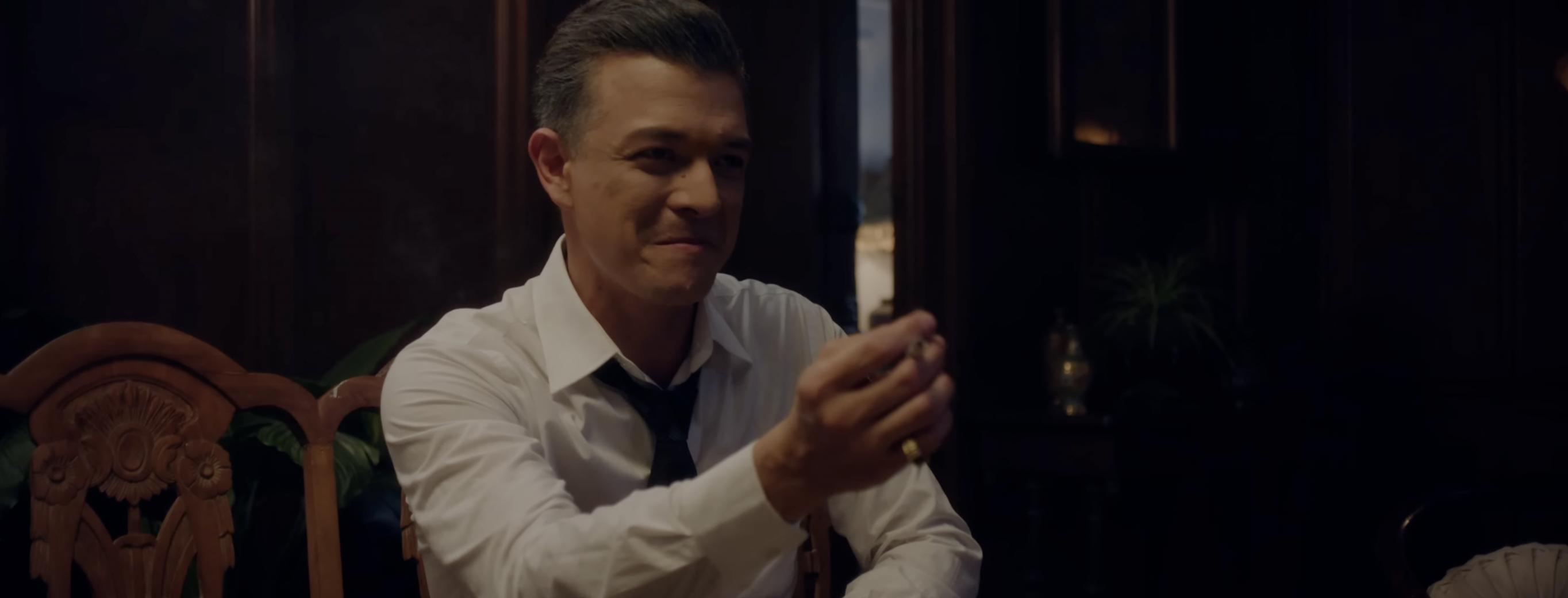
Jerrold Tarog’s “Quezon,” the latest and final installment of the “Bayaniverse,” attempts just that. Following “Heneral Luna” and “Goyo: Ang Batang Heneral,” the film reexamines the life of President Manuel L. Quezon, where Tarog presents a version of Quezon that is human, flawed, ambitious, and morally conflicted.
But in trying to humanize a hero, the film did more than tell a story. It also struck a nerve.
READ: ‘Quezon’ and its unsightly reflection
Getting on the nerves
During a post-screening Q&A in Makati, Enrique “Ricky” Quezon Avanceña, the former president’s grandson, confronted Tarog and lead actor Jericho Rosales, questioning whether the film was meant to be a satire.
“Joke pala ito! Sinalaula niyo ang alaala ng aking lolo,” said Avanceña after Tarog explained that they used satire to tell Quezon’s story. His mic drop immediately echoed online, with some descendants of Quezon also echoing Avanceña’s sentiments.
In a Facebook comment, Heneral Luna actor John Arcilla, who is also a cousin of Avanceña, wrote, “It looked satirical in the way they styled the early rigodons of political opponents and some of the ‘actings,’ but the content itself doesn’t feel like one.”
Satire opened the Pandora’s Box
Much of the backlash came from the word “satire.” Often mistaken as “mockery,” it uses humor, irony, or exaggeration to expose flaws in people or systems, especially political ones.
In Quezon, satire isn’t directed at the man himself but at the political machinery that shaped him. The film turns the mirror toward the ways power, ego, and ambition blur moral lines. For Tarog, satire wasn’t meant to mock. “Satire,” in this case, wasn’t a style but a lens depicting the corruption and debauchery taking place at the time.
Avanceña’s fury wasn’t only about the word. It was about what that word implied to his interpretation. That the film might be laughing at his grandfather rather than with history. This only means that satire, when done right, doesn’t ridicule a topic but challenges how we interpret it.
Between art and history
While this controversy painted Quezon as reckless, TBA Studios emphasized in their statement that the movie was built on extensive historical research.
“While we respect and understand his sentiments, we wish to reiterate that the film is grounded in verified historical accounts, including President Quezon’s own autobiography and other reputable sources,” the statement read.
The studio admitted to adding fictional elements for thematic purposes. This proves that producing a historical film without any invented and fictional elements is impossible, given that even the smallest production choice, from lighting to acting, already introduces interpretation to history.
Despite these fictional elements, the studio reassured that most details in the film were backed up with sources. Much of Quezon’s factual foundation came from the Quezon Study Guide written by historian Alvin Campomanes, released by Active Vista and endorsed by Tarog himself. It encourages viewers to cross-check the film’s events through public records and research.
This invites viewers to analyze which parts of the story were factual, sensationalized, or condensed to let them see a clearer view between artistic freedom and historical responsibility.
A mirror more than a movie
Ultimately, Quezon is more than a biopic. The film is a whole conversation on the things that society avoids stirring up. It is a film meant to provoke and question how we remember our heroes and how history continues to haunt the present.
The debate it sparked only highlights its relevance. It shows that one of the sole purposes of art is to confront rather than to comfort. It asks questions about power, legacy, and what it means to live under the weight of history.
And maybe that’s the point. Much like cinema, history is meant to be alive, reinterpreted, and constantly challenged. Perhaps the film’s biggest achievement isn’t just its historical accuracy or cinematic flair—it’s that it made people feel something between pride, anger, and curiosity.