What do you do when you suspect your partner is cheating? Confront them? Wait and see? Do a little digging? But what if you could hire someone to find out whether your suspicions are true? As it turns out, that’s exactly what some people do. The new psychological drama series “The Loyalty Game” explores the little-known world of “loyalty testers”—freelancers hired to go undercover and test a partner’s fidelity by way of online or in-person flirting.
Listings for such services can be found in discreet online groups and social media communities. Depending on a client’s request, a loyalty tester may use a burner account to message the suspected partner and see if they take the bait, or stage meetups disguised as chance encounters. The higher the risk, the bigger the pay.
READ: Supergirl’s forgettable adventure
“This is based on a real phenomenon,” director Mae Cruz-Alviar says. “Our writers and creative team conducted research about loyalty testers. Laganap ito noong pandemic when many people were looking for an extra hustle.”
“This is based on a real phenomenon. Our writers and creative team conducted research about loyalty testers”
Not sex workers
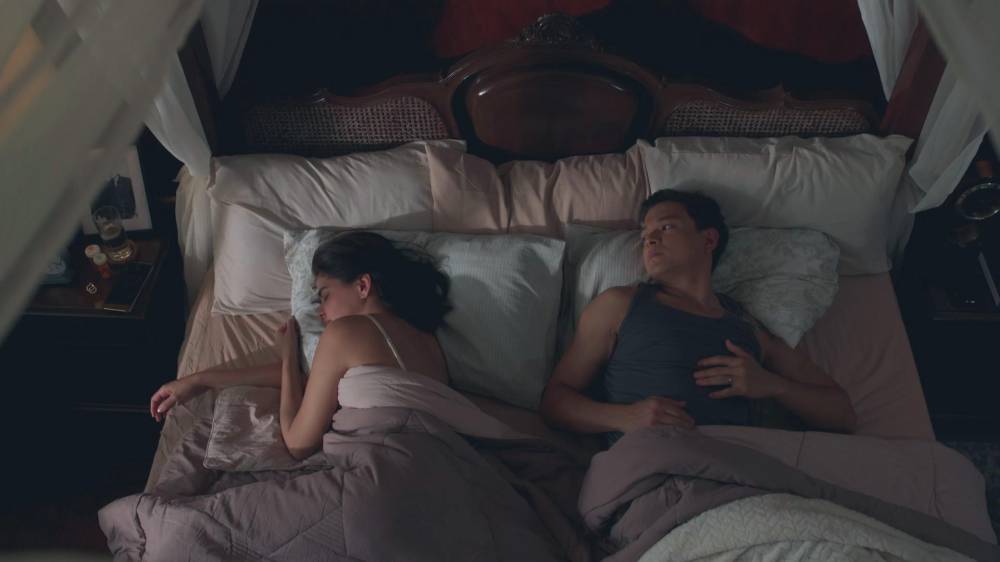
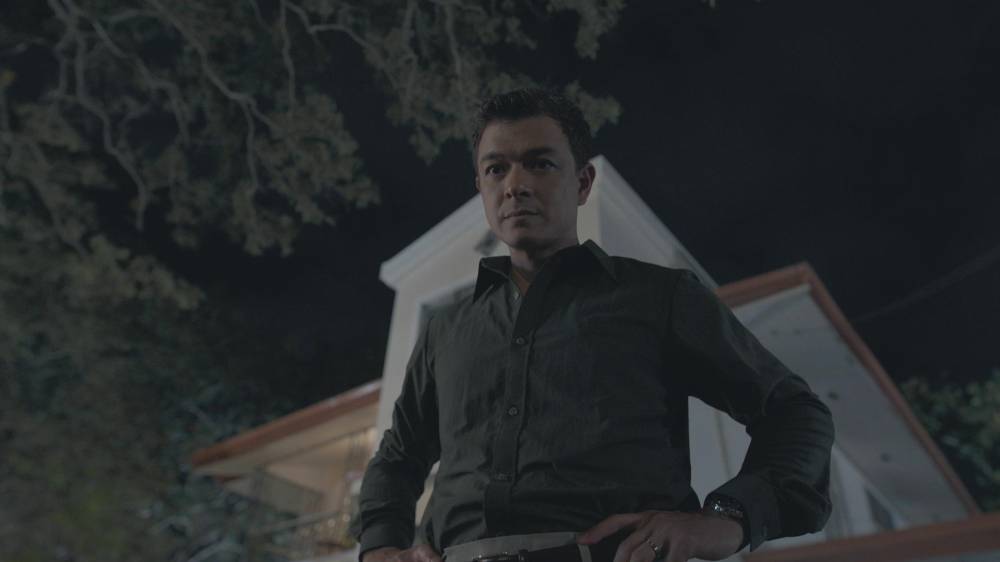
In this collaboration between ABS-CBN Studios and Prime Video, troubled fashion designer Ana (Janine Gutierrez) wakes up in the middle of the night to find that her husband, Ben (Jericho Rosales), is missing. Feeling gaslit and suspicious, she enlists a group of loyalty testers to see if Ben can be tempted into infidelity or whether he’s hiding something behind his job as an azucarera lawyer.

While the job description may lead some to assume that loyalty testing overlaps with sex work, the writers were quick to clarify that it doesn’t. And though the concept may make the show seem like just another “kabitserye,” it’s actually more layered than it appears, touching on themes of side-hustle culture, the dual lives some people unknowingly lead—and the dangers they’re willing to put themselves in.
“Gusto naming ipakita ‘yong hardships ng mga Pilipino na laban sa raket—na kahit may work na, kailangan meron pa ring hustles on the side,” writer Raymond Ocampo says. “We also want to show the risks involved in the moments they’re testing someone. Puwede kung anong mangyari sa kanila.”
“It’s not a kabit or prostitution series,” writer Ian Loreños adds. “It’s about people hoping to earn a decent living, while needing a secondary life—an escape from the demons they face.”
“It’s not a kabit or prostitution series… It’s about people hoping to earn a decent living, while needing a secondary life”
With empathy and without judgment
But more than the mechanics of the job and its novelty to both the cast and audience—many of whom didn’t even know loyalty testers existed before the show—Cruz-Alviar says what really inspired the team to shed light on these people onscreen is that, like everyone else, they’re human beings with “relatable stories that mirror the realities of life.”
And the series conveys this with empathy and without casting judgment.
READ: Steamiest dance moments from TV and film
Take Diane (Yen Santos), a single mother with a son on the autism spectrum, for example. Because her earnings as a virtual assistant aren’t enough to cover his therapy, she turns to loyalty testing—accepting Ana’s offer to fly her to their province without even knowing her face or name.

“All her choices stem from her love for her son. There are many sacrifices a mother has to make in order to provide for her child. Still, she has to juggle motherhood, work, and her personal struggles,” says Santos, who is part of a group of loyalty testers that also includes Beth (Sofia Andres), Bridgette (Elisse Joson), Angel (Kira Balinger), and Carlota (Maika Rivera).
The courage to walk away
While some claim that hiring loyalty testers provides them clarity and peace, others realize that a relationship and its trust are already compromised if they at all feel the need to hire one. This is another question the series raises: What does the demand for this kind of work say about the state of our relationships to begin with?
“Maraming babae ang nagkikimkim at hindi nagsasabi at inaamin kung ano nararamdaman nila,” Cruz-Alviar says.
In the absence of clarity, Gutierrez says, “It’s important to develop trust in yourself and your intuition because there will come a time when you will encounter people who will make you doubt yourself and you get swayed by them because of love… Trust your gut and find a love that feels safe.”
If there’s anything the cast hopes viewers—especially women—take away from the show, it’s the reassurance that they’re not alone. “We all have our own paths, challenges, and stories in life,” Joson says. “There are other people who understand you and go through the same things you do. I hope you also find comfort in that.”
And from comfort, perhaps courage—and the feeling that they no longer have to be in a position where they no longer have to resort to, or rely on, this kind of work. “We hope they find the courage to try something in the name of surviving,” Balinger says, “but also the courage to walk away when something no longer aligns with their purpose.”
“The Loyalty Game” streams on Prime Video starting today