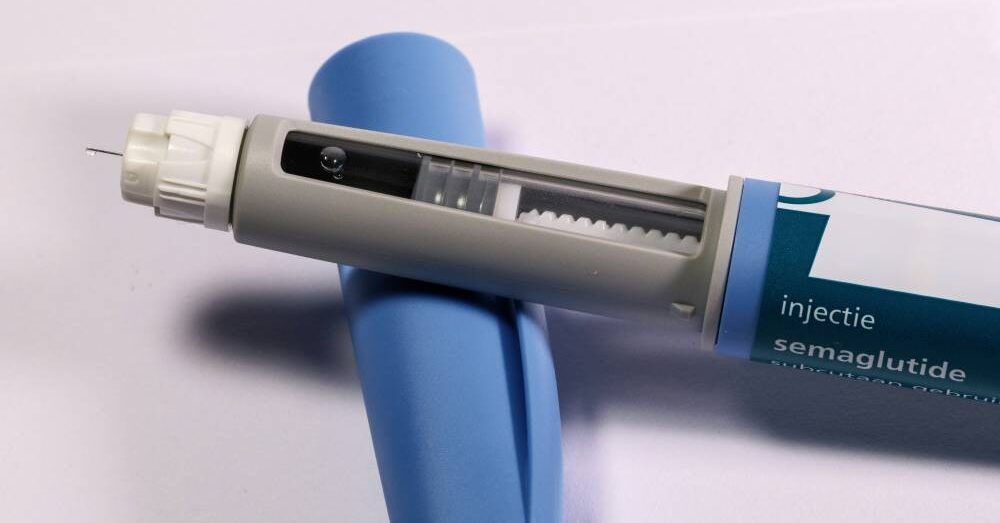
It feels as though suddenly, everybody is injecting themselves with something—and there is nothing inherently wrong with that. Injectable treatments can be effective and even life-changing. But as they become increasingly normalized, it is important to understand exactly what we are putting into our bodies, what the science supports, and where the line falls between established medicine and wellness hype.
A few years ago, self-administered injections were mostly discussed in the context of diabetes, fertility treatments, and other specific medical conditions. Today, refrigerated vials, alcohol wipes, and weekly injection schedules have become surprisingly familiar parts of beauty and wellness.
Injections have now become mainstream
GLP-1 medications helped bring injections into the mainstream. What was once a private medical routine is now discussed in group chats, podcasts, and across social media. In their wake has come a much broader category of treatments simply called “peptides”—promoted for weight loss, muscle growth, recovery, sleep, fertility, hair growth, and younger-looking skin.
Spend enough time online and you will encounter someone sharing a “peptide stack” or recommending a supplier that ships generic-looking vials directly to your door. And the language sounds reassuringly scientific: cellular repair, collagen signaling, metabolism, and hormone regulation.
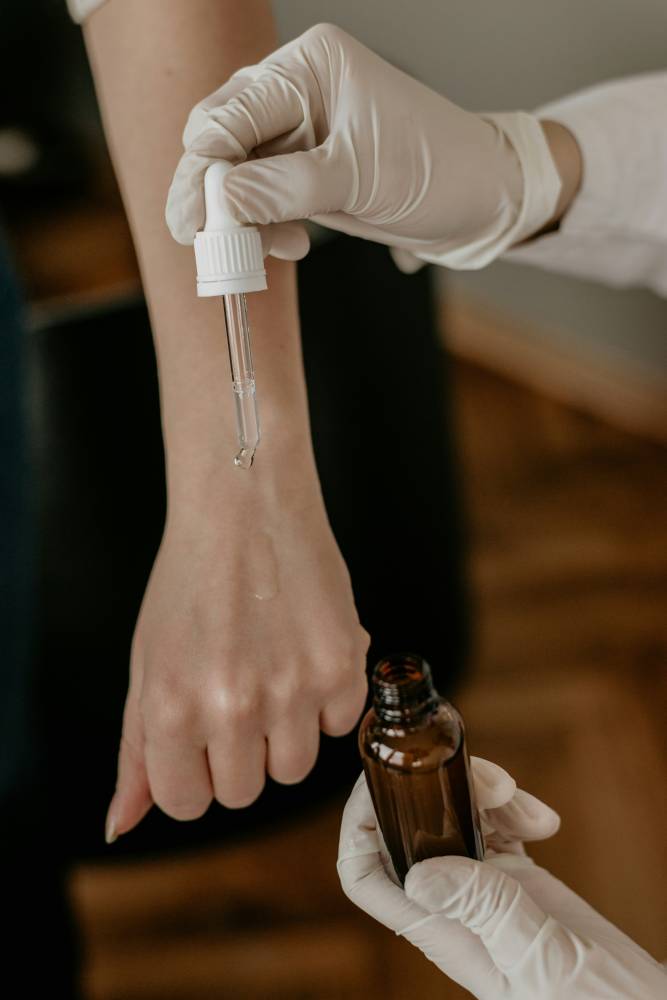
Peptide injections have become one of wellness culture’s biggest trends, even with researchers cautioning that enthusiasm for many unregulated products is moving ahead of the evidence.
The question is not whether peptide science is legitimate. It is. But the more important questions are which peptide is being used, what it has been studied for, and where the product came from.
Peptides have been around for decades
Peptides may sound like the latest wellness discovery, but they have been studied and used in medicine for decades. Put simply, peptides are short chains of amino acids. Many occur naturally in the body and help regulate processes such as blood sugar, growth, and hormone activity.
Insulin is one of the best-known peptide hormones. Peptide-based medicines are also used in fields including diabetes, cancer, and osteoporosis. Tirzepatide and semaglutide, which sit at the center of today’s weight-loss conversation, belong to this much wider category of therapeutic peptides.
That history matters because peptide science itself is not a fad. What is new is the way the word has moved from laboratories and clinics into everyday wellness vocabulary.
Why peptides are suddenly everywhere
The appeal is easy to understand. Peptides promise precision. Consumers are told that a particular molecule can signal the body to recover faster, burn fat, repair tissue, or produce more collagen.
Online, the category can look like a menu of targeted upgrades: BPC-157 for recovery, GHK-Cu for skin and hair, and retatrutide for weight loss.
Some of these substances are connected to legitimate scientific research, but they do not all carry the same level of evidence. Some peptide medicines are approved for specific conditions. Others remain experimental or are supported mainly by early human, laboratory, or animal studies.
Some of these substances are connected to legitimate scientific research, but they do not all carry the same level of evidence
READ: Eye patches for every under-eye concern
Retatrutide, for example, has attracted enormous interest because of its early weight-loss results, but it remains under investigation in Phase 3 clinical trials. That has not stopped products claiming to contain it from being promoted online.
The existence of research is not proof that a product is ready for routine use. “Clinically studied” can describe anything from an early trial to years of large-scale evidence. And it says nothing about whether an online vial contains the same substance examined by researchers.
When “peptide” becomes a marketing word
Calling something a peptide describes the type of molecule. It does not tell us whether the treatment works, whether it is approved for that purpose or whether the bottle contains what its label claims. And this distinction becomes blurred online, where approved medicines, compounded preparations and experimental “research chemicals” may all be presented under the polished label of peptide therapy.
Phrases such as “pharmaceutical grade,” “laboratory tested,” and “research use only” may sound impressive. Without a traceable manufacturer, proper documentation, and regulatory oversight, however, they offer little reassurance.

Even a professional-looking label cannot always be taken at face value. The US FDA has documented products falsely identifying licensed pharmacies as their manufacturers, along with injectable drugs sold directly to consumers as “research use only” despite being accompanied by dosing instructions.
The science behind a molecule may be promising. That does not automatically validate every product, claim, or dosing guide attached to it.
The peptide boom comes to the Philippines
Tirzepatide is only one part of the wider peptide boom, but it shows how quickly legitimate medicine can be absorbed into an unregulated wellness market.
In the Philippines, products advertised simply as “tirze” are sold through TikTok, social media pages, and online sellers. They may arrive in small multi-dose vials, with sellers also providing mixing instructions, dosing charts, and advice through private messages.
At a Senate hearing in January 2026, lawmakers raised concerns about tirzepatide’s sale on TikTok and other platforms. They said Mounjaro was the only tirzepatide brand registered with the Philippine Food and Drug Administration (FDA) at the time, while unregistered versions were circulating online.
In May, the National Bureau of Investigation (NBI) announced the arrest of two people accused of selling unregistered tirzepatide in Tondo, Manila. According to the NBI, investigators found several social media pages offering the drug and confirmed its sale through an undercover test purchase. Authorities seized tirzepatide valued at approximately P310,000.
The problem is not that tirzepatide lacks evidence. Properly manufactured versions have undergone extensive clinical study and can be valuable medicines when prescribed appropriately. The problem is that a generic vial labeled “tirzepatide” is not automatically equivalent to a registered product.
Without a known manufacturer and traceable supply chain, buyers may have no reliable way to confirm its contents, concentration, purity, sterility, or storage conditions. They may also be measuring their own doses based on instructions from the same person profiting from the sale.
READ: Save your hair from frizz
Why medical guidance still matters
Many legitimate medicines are designed to be injected at home. The concern is what happens before and after.
Medical supervision should involve reviewing a patient’s health history and current medicines, deciding whether treatment is appropriate, selecting the correct starting dose, explaining possible side effects, and monitoring the response.
That process cannot be replaced by a seller answering questions in a chat box. A seller’s role is to complete a transaction. A qualified clinician’s responsibility is to assess risk and respond when something goes wrong.
The Philippine FDA has advised that injectable medicines should be used with a doctor’s prescription and proper medical guidance. It also urged consumers to purchase them only from legitimate pharmacies and establishments licensed by the agency.

The Philippine College of Physicians has similarly warned about compounded and unregistered versions of semaglutide and tirzepatide. Among its concerns were incorrect dosing, inconsistent potency or concentration and chemical forms that have not undergone proper clinical or regulatory review.
These risks become especially relevant with multi-dose vials that require buyers to mix or measure the medication themselves. A misplaced decimal point, confusion between milligrams and syringe units, or an incorrect concentration can completely change the amount injected.
We need to ask better questions
The point is not to fear peptides or dismiss emerging science. It is to become more discerning.
Before injecting anything, ask whether that exact product is registered with the Philippine FDA, who manufactured it, whether the seller or pharmacy is licensed, and whether it was prescribed after a proper consultation. Ask what evidence supports that particular use, what side effects are known, and who will help if something goes wrong.
Advice should come from a qualified medical professional, not only from the person selling the product.
Consumers can check medicines and licensed establishments through the Philippine FDA Verification Portal. The exact brand, manufacturer, and registration details should match the official record. A familiar ingredient name printed on a generic label is not enough.
There is nothing wrong with seeking treatments that may improve our health or quality of life. But the more normal injecting ourselves becomes, the more informed we need to be.
Peptide science is real, and it will likely lead to more important treatments. Legitimacy, however, belongs to the specific drug, its evidence, intended use, and supply chain—not simply to the word printed on the vial.
The science may be real. What is inside the bottle is a separate question entirely.