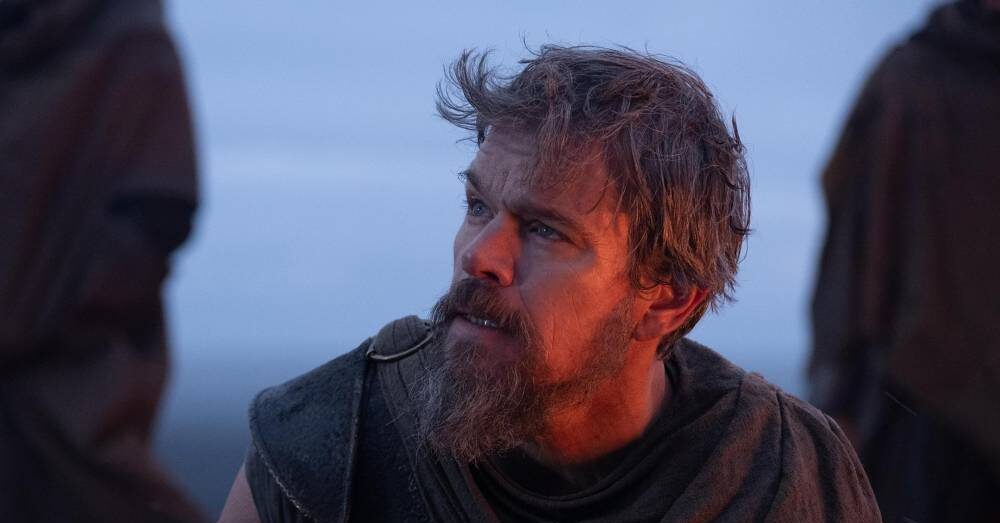
Christopher Nolan’s “Oppenheimer” and “The Odyssey” have more in common than just having Matt Damon and Benny Safdie in their cast. In fact, thematically, they’re practically the same movie: of guilty heroes dealing with the consequences of their war-winning choices.
The Marvel Cinematic Universe (MCU) has previously touched upon the idea of a guilty hero with “Avengers: Age of Ultron.” However, where Tony Stark felt guilt over the accumulated collateral damage their battles caused, Nolan’s ‘heroes’ felt remorse and shame for the precedents they set in their struggles for victory.
Where “Oppenheimer” and “The Odyssey” converge
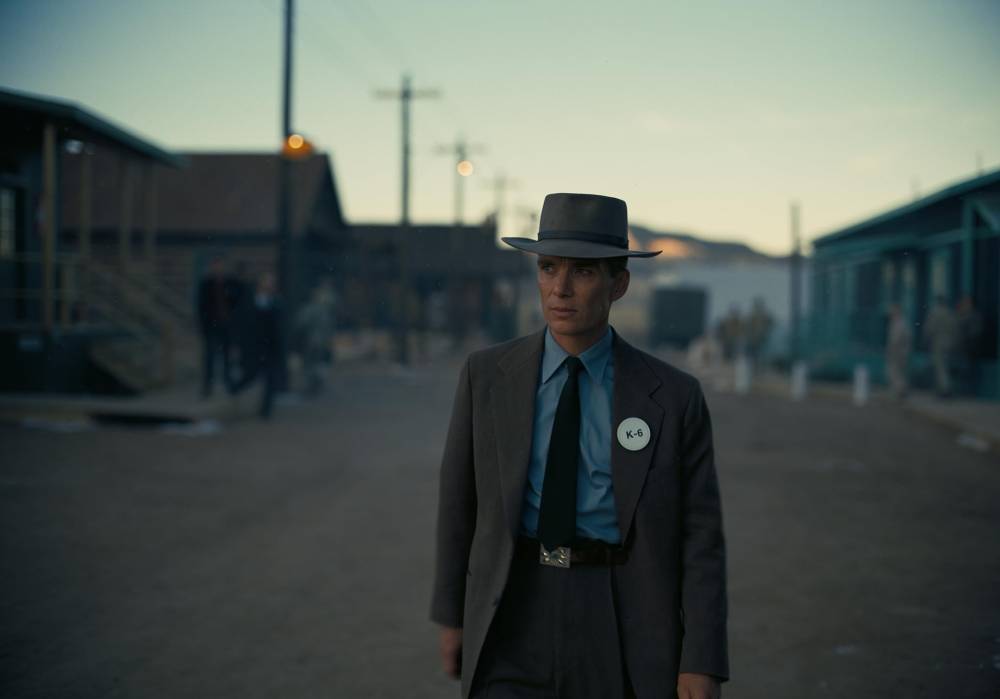
Cillian Murphy’s J. Robert Oppenheimer ended World War II through the atomic bombs deployed in Hiroshima and Nagasaki. While he felt guilt over the hundreds of thousands of deaths it caused, what haunted him more was the chain reaction he believed he had inadvertently started.
He feared that unleashing such a devastating force would begin an endless arms race that would culminate in the creation of even greater bombs, and the potential extinction of humanity. To an extent, his fears did come true as the bombs dropped in Hiroshima and Nagasaki are now far smaller and weaker than the nuclear weapons we have today.
READ: ‘The Odyssey’ may not be for lovers of the source material
Meanwhile, in the world of “The Odyssey,” the ancient Greeks subscribed to “Zeus’ Law,” an informal order of hospitality that mandated everyone to treat strangers as if they were guests—even the poorest of the poor. The belief is that there is no way of knowing whether or not a stranger is a god in disguise. Treating them as if they were prevents them from accidentally offending a being capable of raining down judgment on them.
If anything, it’s a law held in fear, rather than a belief in treating everyone with respect.
Odysseus broke this long-held belief through the Trojan Horse. By offering it as a gift, he tricked the Trojans into bringing it inside Troy, where he and the rest of his men emerged to bring the city down from within.
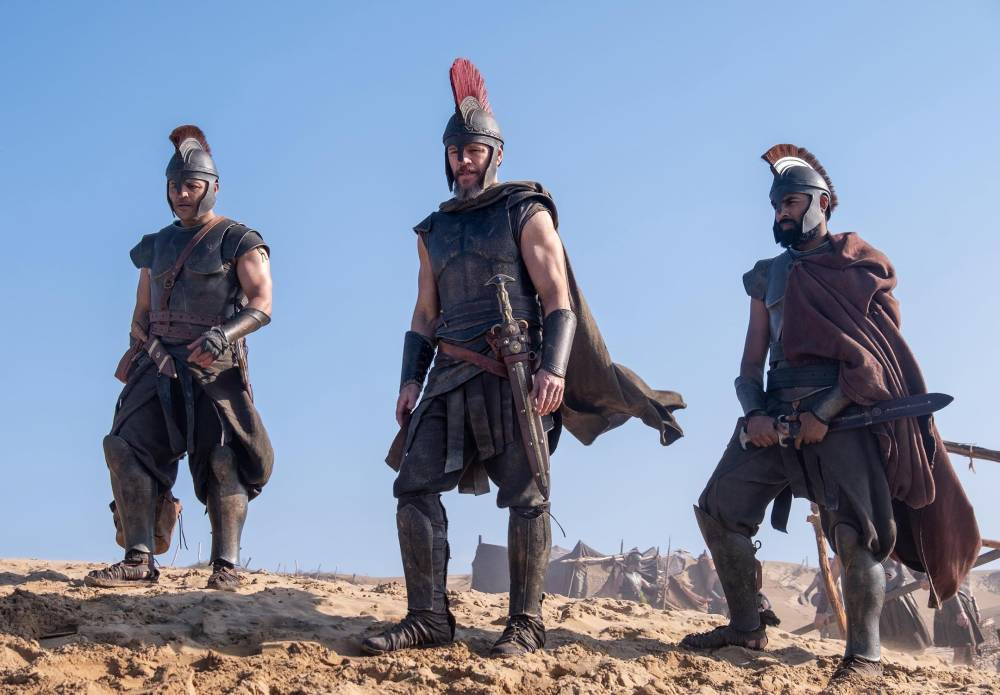
For Damon’s Odysseus, he was horrified at how he had dismantled the customs and traditions the Greeks held sacred in the pursuit of war. More so, he feared that because he was lauded for his genius in deploying the Trojan Horse, this would set the precedent for wars and battles conducted without honor. Simply put, he felt as if he had normalized war crimes.
Mind you, Odysseus was one to announce his presence to his prey before hunting them with his bow. The Trojan Horse was not true to his nature, but a military move done in desperation.
Heroes are the best of us
The notion of a guilty hero adds nuance and depth to celebrated individuals known for their achievements. It humanizes them while allowing us viewers to understand the choices they made and how these haunted them behind the scenes.
Oppenheimer and Odysseus spent much of their time coming to terms with what they unleashed upon the world. They understood the gravity of their choices and loathed that they were being celebrated for it.
READ: A world without superheroes
But as the world moved on around them, they too learned to live with their choices while focusing on the good it brought. For Oppenheimer, it was the end of the Second World War, and for Odysseus, it was coming home to Penelope and Ithaca. So, was the point to normalize necessary evils?
Oppenheimer and Odysseus spent much of their time coming to terms with what they unleashed upon the world. They understood the gravity of their choices and loathed that they were being celebrated for it
It’s one thing to humanize heroes, but another to lower our expectations of them. Heroes and leaders are held to a higher standard; such is the point of having them in the first place. They are meant to be the best of us, people we aspire to be.
Call it naivety or misplaced optimism, but the world needs figures who remain good no matter what the situation calls for. We already have world leaders normalizing casualties and horrors of all sorts in the name of a greater good. We don’t need on-screen heroes cut from the same cloth.