The cab is already waiting. There is never enough time. Especially not at the end, when the city you are leaving feels more real than the one you are returning to. You say the things people say at doors. You hold on a beat longer than necessary.
Somewhere over the West Philippine Sea, bad cabin air, middle seat, you realize you can still smell her on your collar. Something warm. Familiar in a way that has nothing to do with geography. The distance is already heavy, already doing what distance does, but now it becomes something else. Proof, almost. That somewhere behind you, someone existed who was worth the flight back.
Fragrance does that. It stays when everything else has already started to fade.
Men think about smelling good. It is a reasonable place to start, and almost always where the first mistake happens. One spray for confidence. A second for insurance. A third for whatever emotional gap needs closing before stepping outside.
Men think about smelling good. It is a reasonable place to start, and almost always where the first mistake happens. One spray for confidence. A second for insurance. A third for whatever emotional gap needs closing before stepping outside.
By the time he enters an elevator, everyone inside has been involuntarily recruited into his personal journey. Some men never leave this phase.
Eventually, through maturity or honest feedback from someone with functioning lungs, a man learns one of the quieter truths about scent: The best fragrance does not announce him. It reveals him.
The quiet authority of scent
Fragrance is invisible, and yet rarely forgettable. A watch gets noticed. Shoes get judged in seconds. Scent works differently. It slips past the eyes and settles somewhere closer to instinct.
A woman may forget the shirt a man wore on a first date. She may forget the restaurant. She may eventually forgive the opening line. But years later, one trace of cedar, musk, or warm skin pulls the entire evening back into the room. Not as a memory exactly. More like a feeling.
That is the quiet authority of scent. It does not argue for importance. It simply returns.
The mistake most men make is treating fragrance like volume, when it is closer to lighting. Too little and something feels unfinished. Too much and nobody can relax. The right amount changes the mood without explaining itself.
There is a difference between being remembered and being impossible to escape. Because the goal is not to smell expensive. The goal is to smell considered.
Knowing when to use the right scent
In Manila, what a scent suggests depends as much on where you wear it as on what is in the bottle.
Heat has no patience for fantasy. A fragrance that reads as mysterious in cold weather can turn aggressive in humidity. What feels quietly compelling in Paris can become a hostage situation somewhere along EDSA on a Tuesday afternoon.
Some scents belong to mornings: clean shirts, coffee before the city wakes. Others belong to evenings: low light, warm air, a goodbye that takes more time than it should.
The problem is when a man mixes those up.
Manila demands a different kind of intelligence. Not just knowing what you like, but knowing where you are, what time it is, and whether the air conditioning is winning or losing. A heavy evening scent worn into midday heat does not make you smell interesting. It makes you smell like a mistake.
This is what separates men who wear fragrance from men who have learned to use it.
Range matters more than quantity. Most men do not need a shelf crowded with bottles. They need a few that work across different registers: something clean and bright for the day, something warmer for evening, and something personal enough that, over time, people begin to associate it with them specifically.
Not the bottle. Not the campaign. Them.
READ: Fresh arrivals and experiences to try
Scents that align
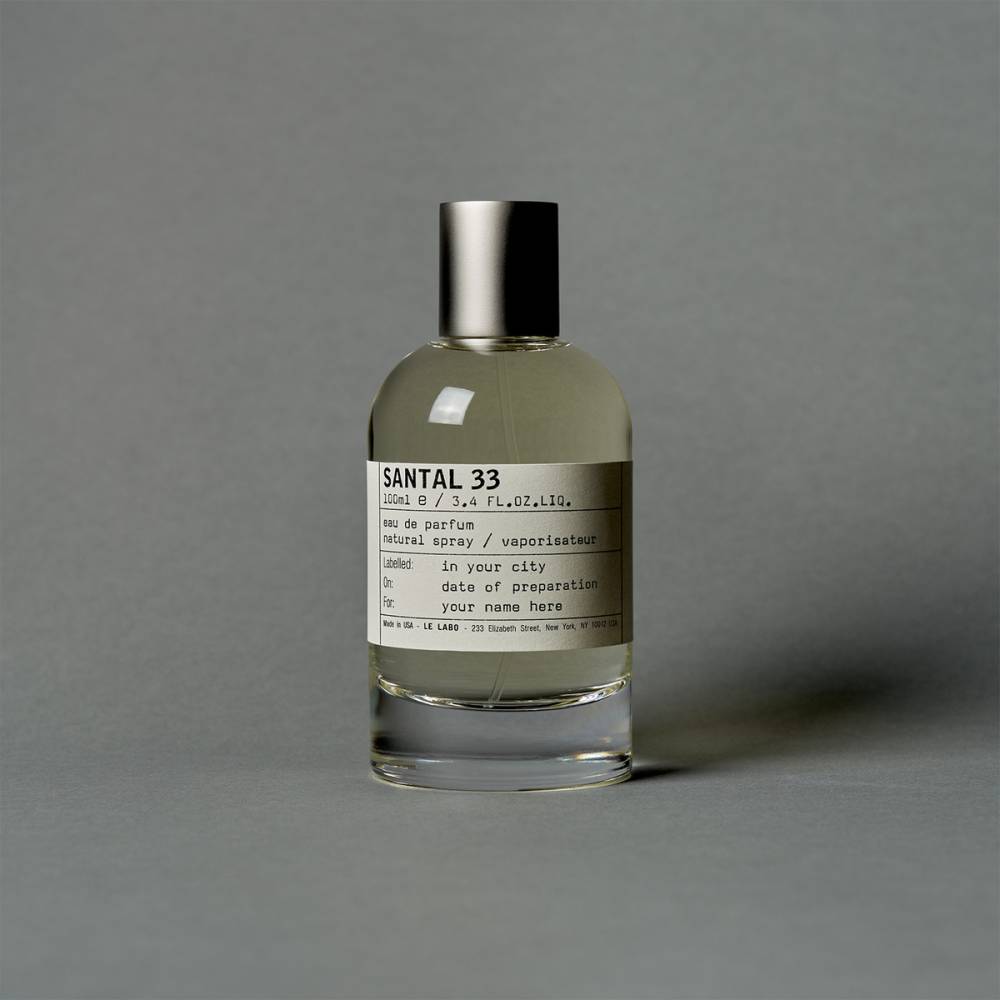
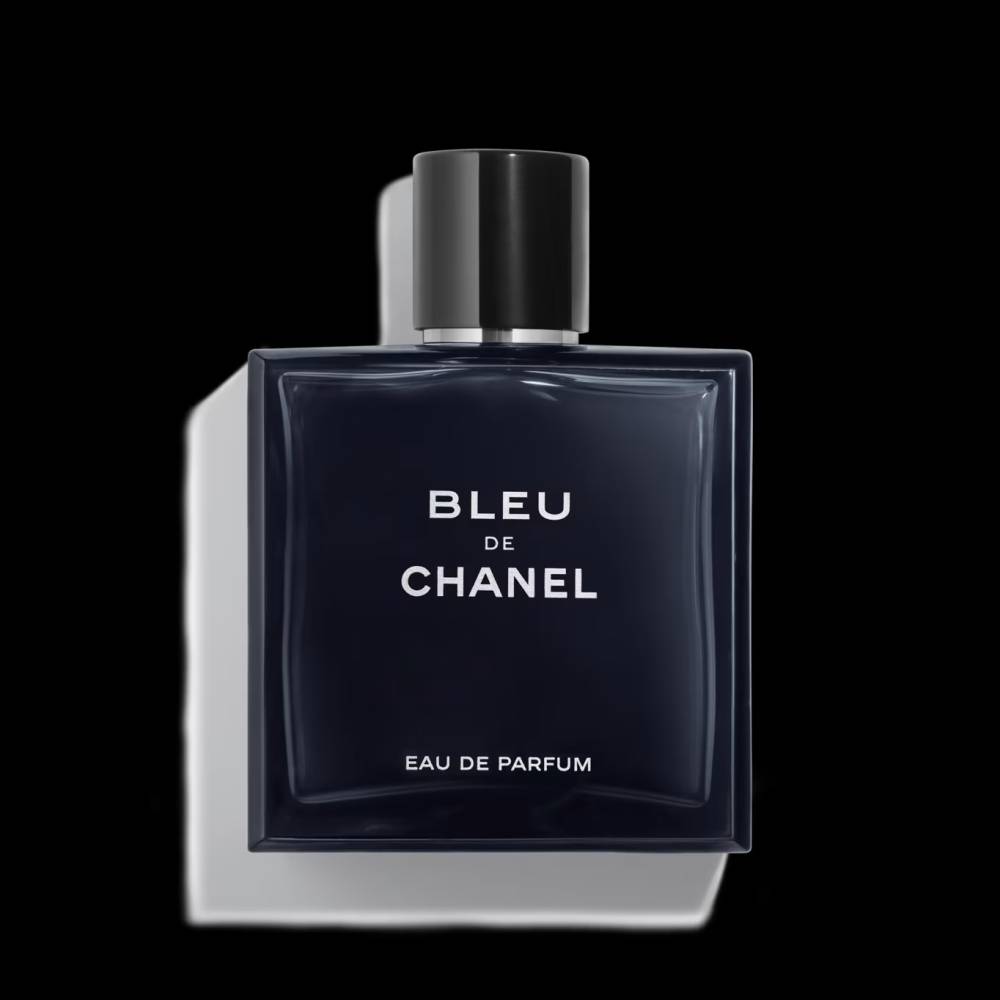
Creed Aventus, Dior Sauvage, Le Labo Santal 33, Baccarat Rouge 540—the heavy hitters have become their own kind of social currency. But fragrance is not a trophy case. What smells commanding on one man can feel like costume on another. A scent that reads as confident on one person can read as trying too hard on the next.
The difference is rarely the fragrance itself. It is whether the man wearing it actually belongs in it.
The difference is rarely the fragrance itself. It is whether the man wearing it actually belongs in it.
I gravitate toward scents that sit closer to the skin: clean, woody, warm, and maybe a little smoky. Not because they are subtle. Subtlety is not the point. I like fragrances that work with the body rather than over it.
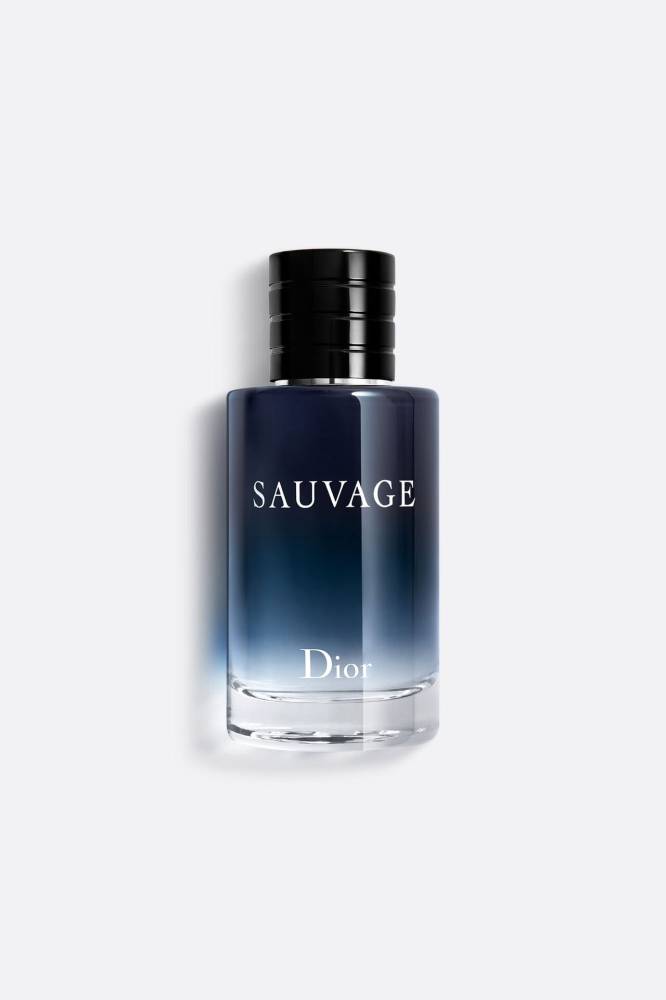
Bleu de Chanel works because it understands versatility without apology—the kind of scent that moves from a morning meeting to an evening without asking permission. Terre d’Hermès feels grounded and quietly mature, the fragrance equivalent of a man who no longer needs to prove anything.
Meanwhile, Maison Margiela’s Jazz Club leans warmer, more suited to low light than fluorescent honesty. It belongs to evenings that do not have a fixed plan. John Varvatos Artisan belongs to a different mood altogether: brighter, easier, a daytime scent that makes a simple outfit feel intentional without trying too hard.

What these have in common is not a note or a price point. At their best, they do not announce themselves. They settle. They suggest. They let the man do the rest of the talking.
These are examples, not commandments. The worst thing a man can do is wear a scent that wears him. The mismatch registers even when nobody can name it, like an expensive suit with the wrong fit.
Good taste rarely looks like effort. It looks like alignment.
READ: Why are we putting skincare everywhere but our faces?
What defines a signature scent
A signature scent is not the bottle everyone recognizes. It is the one people begin to associate with you, built slowly through repetition, proximity, and enough real moments that it stops being a choice and becomes a presence.
A particular dinner. A quiet ride home. A goodbye that took longer than expected. Eventually, the scent stops being about the scent. It becomes a way of remembering who someone was when they were close enough to leave something behind.
Long after the table is cleared and the night becomes ordinary again, what stays is not the performance, the price, or the name on the bottle.
It is the trace he leaves behind.