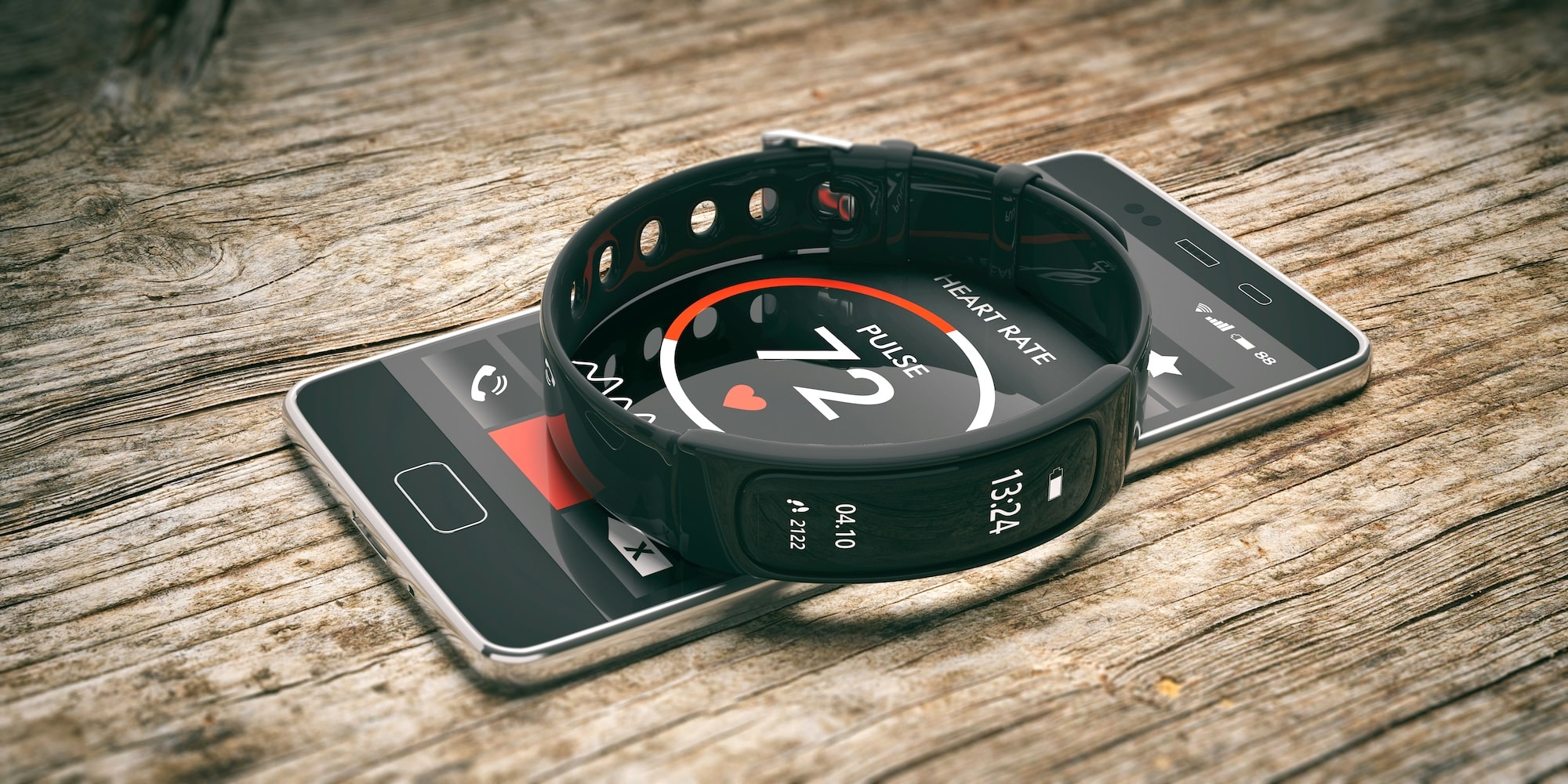
Ever since I got my first fitness tracker before the pandemic, I have never looked back. I’ve rarely worn traditional analog watches, too. I remember it clearly: It was a humble fitness band—not even a full smartwatch (even though the earliest models from the big brands were already in vogue), but it was enough to record my calorie expenditure and, at the time, track my sleep quality.
Then the pandemic came, and I invested in a better smartwatch, which somehow tracked better. It would automatically know when I was walking or doing strenuous exercise, and I would live faithfully by the estimated calorie burn based on my heart rate.
For the most part, whenever I would get into a cutting phase, I was able to use the watch’s estimates to achieve some success in losing weight and burning fat. I never got to single-digit body fat percentage, but I figured the tracking was helpful.
But then a recent study from earlier this year came out, and its seemingly solid findings pretty much upended my faith in the fitness tracker somewhat.
Fitness trackers are a little bit off
A study from July 2026 surveyed 58 Hispanic adults to see whether smartwatches were accurate when it comes to caloric expenditure (the calories you’re burning). However, the specific thing they were looking at was whether the amount of melanin in the skin (basically, how brown one is) and body fat percentage actually affected the calories being tracked.
(Seeing as we Filipinos are mostly of similar melanin levels, this should also apply to us.)
Watches from Apple, Samsung, Garmin, and Fitbit were used in the study, in which participants were made to exercise in minutes-long intervals. The important finding of the study was that the median absolute percentage errors were around 15 to 25 percent, and mean absolute errors of around 80 to 110 calories, depending on the device. But these error figures were also found to fluctuate depending on the different variables of the wearer, including the device and the type of activity done.
Somewhat damning in all this is the study’s conclusion that the technology we have now just isn’t perfect—with the implication that it should not be wholly relied on
The study also saw that body fat percentage may also play a role in the inaccuracy—basically, the higher your body fat is, the greater the error could be. It’s ironic because most people tend to get these devices to lose weight and burn fat, and the technology is slightly working against them.
Somewhat damning in all this is the study’s conclusion that the technology we have now just isn’t perfect—with the implication that it should not be wholly relied on. “Current consumer devices do not yet provide reliable caloric monitoring for individuals or for research; improving accuracy across body types is essential for clinical and public health applications,” the authors state in the final sentence of the abstract.
This comes after an earlier study released in 2020 already stated that they were “hesitant to consider any device sufficiently accurate,” and specifically, the accuracy of devices varies depending on the kind of physical activity one is doing.
So what does this mean for active people?
While the science has somewhat debunked the accuracy of your everyday fitness tracker and smartwatch, it’s not all useless: You’re just going to have to do some math and subtract a little from what the watch says.
The estimate from the watch or band’s heart rate tracker can still be a good indicator of how much you’ve burned, and you can also still learn how much energy you’ve expended from your usual activity. It’s just that if you are cutting or bulking and you need to rely on exact figures, you’ll have to take the results with a grain of salt and adjust.
Even the amount of adjustment you’ll have to make isn’t hard and fast. If, let’s say, your watch recorded a calorie burn of 500 calories after your workout, the real expenditure could be somewhere around 400 to 600 calories. It would be great if you burned more calories than you thought, but it’s safer not to count on it.
The estimate from the watch or band’s heart rate tracker can still be a good indicator of how much you’ve burned, and you can also still learn how much energy you’ve expended from your usual activity
There’s a little more guesswork involved, and that might likely mean that you’ll have to be even more strict with your food intake. You’ll have to be careful if you like to eat the burned calories back, because you’re going to be off, and they’re not going to be the same.
Is there a “most accurate” watch?
The simple answer is that there’s no single brand or device that’s the most accurate smartwatch or fitness tracker ever.
However, the same 2026 study did find that the Apple Watch—specifically the Apple Watch Series 8—recorded the smallest systemic overestimate, with a mean error of +21.60 calories against its competitors. (The Fitbit Sense 2 actually recorded a mean error of only +3.14 calories, but its highs and lows swung so wildly that they cancel each other out, and you basically never knew what you were going to get each time.)
That means the Apple Watch was the least inaccurate, which isn’t quite the same thing as the most accurate. It’s only the least consistently wrong right now. The adjustments you need to make still apply.
So by all means, keep using your smartwatch or fitness tracker. In the end, inaccurate calorie tracking is still much better than not tracking at all. Getting a baseline figure for your usual physical activity is much easier to work with than leaving it all completely to guesswork.
In the end, inaccurate calorie tracking is still much better than not tracking at all
Just don’t be complacent, don’t overeat (unless you’re bulking), and most importantly, get as much movement as you can every day. A higher count on the watch still means a pretty high calorie burn, even when you account for error.
While the science has somewhat debunked the accuracy of your everyday fitness tracker and smartwatch, it’s not all useless: You’re just going to have to do some math and subtract a little from what the watch says.