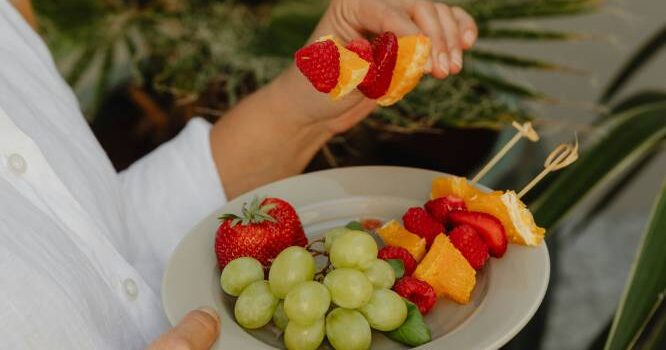
Nutrition is a real but modest lever for skin health. A 2025 meta-analysis of human trials found that diet affects specific signs of skin aging. Collagen supplements were linked to fewer wrinkles and better hydration, fatty acids and polyphenols to better hydration, and carotenoids to less redness.
No food replaces sunscreen or a good dermatologist, but what you eat can nudge oil, dryness, breakouts and aging in a better direction at every stage of life.
You are what you eat

Most of what we call aging skin comes from outside. Reviews separate natural aging from the kind driven by sun exposure, smoking, alcohol consumption, pollution, poor sleep and poor nutrition. It’s worth noting that supplements do exactly that—they are meant to add nutrients to your diet, not replace what you are getting from food altogether.
Several trials found that a low-glycemic diet reduced acne, with dermatologists citing the glycemic index as the strongest link. Dairy and its relation to acne had a much weaker link. But high-glycemic foods—refined carbohydrates, sugars, and the like—are also linked to cancer and higher inflammation.
What you put on your plate can enhance your current beauty regimen, making it work from the inside out.
What to eat when you are…
Oily and acne-prone
Lean toward slow-digesting carbohydrates. Dermatology sources contrast white bread, white rice, chips, cornflakes, and other processed foods with multigrain bread, vegetables, beans, and seeds. It takes around 12 weeks to see if a particular food has an impact on your skin.
If milk seems to flare you, try swapping it out for a while and track the result; one dermatology review found no link with yogurt or cheese.
Put on your plate: Vegetables, greens, beans, low-fat protein
Dry
Dry skin needs fats and fluids. A deficiency of essential fatty acids can cause dry, scaly, and/or itchy skin with a weakened skin barrier. Practical sources are oily fish, walnuts, flaxseed, and olive oil. Dehydration can also dry skin, so regular fluids matter—though water cannot replace a moisturizer.
Chinese medicine also encourages the consumption of hydrating and collagen-boosting foods such as the combination of jujube, white fungus, and goji berry.
Put on your plate: Tofu, mushrooms, bone broth, white fungus
Sensitive or eczema-prone
Around 10 to 30 percent of children who suffer from sensitive and eczema-prone skin also suffer from food allergies. Dairy, gluten, and high-histamine foods can affect eczema flare-ups. Aged cheeses and processed meats are a big culprit for many.
Put on your plate: Anti-inflammatory foods such as sardines, unprocessed meats, whole foods; skip the processed cheese and dairy
Combination
Treat it as a balanced-plate case: whole grains, vegetables, fish or legumes, and healthy fats, with changes made one at a time so you can tell what helped.
Whatever your type, the habits that help are the unglamorous ones: eating a variety of colorful plants, choosing whole foods over highly processed ones, drinking fluids regularly, and judging a change over weeks rather than days.
Keep a short diary of what you eat and how your skin looks, because patterns that are invisible day to day often show up on paper.
Eating for your age
Teens: Fuel growth first
Breakouts are common, but teenage bodies are still building bone and muscle, so this is no time for crash diets or cutting out whole food groups. Regular meals built on whole grains, beans, vegetables, and fruit cover the glycemic advice above.
If you drop milk to see whether skin improves, replace its calcium with other foods and give the experiment weeks, not days. Persistent or scarring acne needs a doctor, whatever you eat.
Enough sleep helps as well, since poor sleep is among the factors reviews link to faster skin aging.
20s and 30s: Protect the collagen you have
This is the stage to build habits. Vitamin C is a necessary cofactor in creating collagen. It works alongside vitamin E, so citrus, berries, peppers, nuts, and seeds earn their place. Carotenoid-rich produce such as carrots, tomatoes, and leafy greens is linked to less redness, and oily fish adds omega-3 fats.
The biggest lever, though, is daily sunscreen. Smoking and heavy sun exposure undo much of what a good diet builds, so these habits belong in the same conversation.
40s and 50s: Support hydration and repair
Collagen production falls with age, and the best evidence is to take in collagen peptides, which a meta-analysis tied to fewer wrinkles and better hydration. Food can help, too: fish, eggs, and legumes for protein, plus polyphenol-rich foods like green tea and berries.
After 50, the stomach makes less acid, which can make vitamin B12 harder to absorb, so pay attention to your levels.
60 and over: Protein, fluids, and vitamin D
Skin thins and makes less oil, and low protein intake is linked to skin fragility and slower healing. Low protein intake is linked to skin fragility and slower healing.
An international group has recommended 1 to 1.5 grams of protein per kilogram daily for healthy older adults, spread over meals. Thirst signals weaken with age, so dehydration can go unnoticed. Older skin makes vitamin D less efficiently.
And because older adults clear vitamin A poorly, check with a doctor or pharmacist before taking supplements.