I like to refer to myself as an extroverted introvert: lively and talkative within a small circle, especially when there is already familiarity or a common interest. But place me in a networking event or a room full of strangers expected to make small talk, and I begin mentally planning my exit strategy.
That temperament has also shaped how I travel.
In my 20s and early 30s, vacations were usually done with my high school barkada during a time when travel was less crowded and more experiential rather than Instagrammable. There are generally three kinds of people in every barkada trip: the organizers, the “let’s get lost and explore” types, and the kaladkarin. I belonged to the latter. Conflict-avoidant and happy to go along with the group, I rarely planned anything myself.
But I secretly preferred more of doing nothing and wandering aimlessly, and less maximizing, less chasing.
A welcoming escape
Back then, travel was about squeezing as much as possible out of paid leave. Now that I am older, vacations revolve around different priorities. I think about whether my knees can tolerate the terrain. Whether there will be enough peace and quiet. Whether I can wake up early, get my 5,000 steps in before breakfast, and spend the rest of the day idling about.
Now that I am older, vacations revolve around different priorities
Recently, I returned to Plantation Bay Resort and Spa after nearly 15 years.
The first time I stayed there was with a high school kababata who had flown in from abroad for a medical conference in Cebu City. She attended just long enough to take photos at the conference hall, collect the literature and freebies, and leave. We hurried to Mactan instead, spending three days there before taking the SuperCat to Tagbilaran for another stretch in Bohol.
We were both reserved, so she chose accommodations tucked away from the busier sections of the resort. She booked a poolside room at the Windward Cluster—an enclave separated from the main circle of the property that surrounds the massive central saltwater lagoon. I still remember how that area resembled a low-rise California apartment complex built around its own freshwater pool, though the architecture still carried a plantation-inspired sensibility. Smartphones were not yet extensions of our hands back then, so days were spent reading books, sunbathing, eating, napping, or simply staring into space without a shred of guilt.
Returning after 15 years, what surprised me was how little the place had changed. While many resorts now lean into foam parties, themed nights, and nonstop activity, this one still seemed protective of quiet.
The service remained attentive without being intrusive. More importantly, it still valued calm. In an era when many resorts confuse leisure with constant activity and noise, the place continues to understand that some people travel precisely to escape stimulation. The resort has long been strict about noise management, something that has not always pleased every guest, but for people seeking rest and stillness, the atmosphere feels deliberately preserved.
READ: My big fat Greek vacation
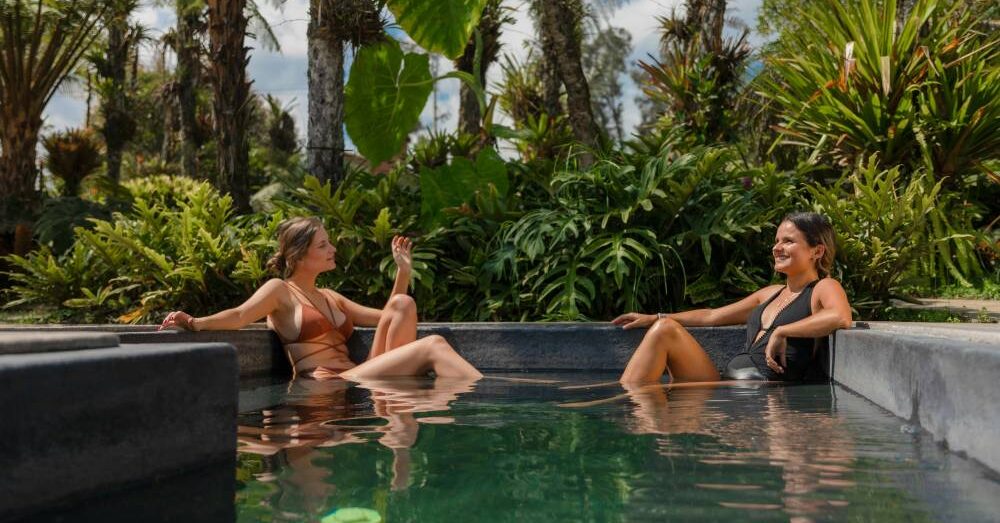
Standing there again, feeling the familiarity of the space merge with that deep sense of serenity, a wave of nostalgic happiness hit me. This time, I stayed at one of the Water’s Edge rooms. Reminiscent of old plantation homes in Louisiana, its wooden louvered doors open directly onto the central saltwater lagoon that serves as the centerpiece of the entire property—meaning you wake up literally a few steps from the water.
“It has the Philippine soul”
One late morning, just close enough to lunch to justify day drinking, I found myself at the swim-up bar beside a couple.
He was French. She was Cebuana. Over cocktails, they were discussing Nicolas Sarkozy and Rodrigo Duterte heatedly. The Frenchman admired Duterte’s anti-drug campaign. The Filipina wife disagreed. She insisted that whatever people thought of his policies, his decorum and language were unacceptable, and perhaps outsiders did not fully grasp the weight of his words because they were not Bisaya.
I found myself drawn to them because I rarely see couples with that kind of dynamic anymore, especially in mixed-nationality pairings. He clearly respected his wife’s opinions, and she spoke with the ease of someone used to being heard. They disagreed without hostility and smiled through the exchange.
These days, public discourse is often reduced to toxic, absolute positions. Watching two people debate intelligently without trying to annihilate each other felt strangely refreshing.
These days, public discourse is often reduced to toxic, absolute positions. Watching two people debate intelligently without trying to annihilate each other felt strangely refreshing
“I agree with her,” I said from a respectful distance while waist-deep in the lagoon. “I’m Tagalog, so the impact of language absolutely matters.” And I’ve never done that. Ever.
They introduced themselves as Jean-Louis and Charie. I introduced myself. We asked Duane, the bartender, for a second round of Manny’s Manhattan—a seriously strong whiskey cocktail—while passing around peanut bar chow in the water like old friends.
READ: Tourists who f***** around and found out
Soon, the conversation widened beyond politics.
The couple now lives in Nice, having relocated there during the pandemic, though they still maintain an apartment in Paris. We drifted into discussing tourism, decentralization, and why locally owned resorts are often overshadowed by international chains during major conferences and government gatherings.
Jean-Louis eventually said he keeps returning to this specific resort because “it has the Philippine soul.”
A temporary version of home
I knew what he meant. As a Frenchman, his appreciation naturally came from a culture that fiercely protects its own heritage and identity. What Jean-Louis valued was not excessive polish or another interchangeable luxury hotel, but a place deeply rooted in where it was.
In the Philippines, we often equate international branding with legitimacy, overlooking local establishments that have maintained their standards for decades without sanding themselves down into generic global sameness.
Perhaps that is also what people are searching for when they travel now: not just accommodation, but a temporary version of home. Somewhere with enough warmth for strangers to become conversation partners over cocktails in a freshwater lagoon, where the bartender remembers your favorite drink, the kiosk staff hands you soft-serve ice cream on a hot afternoon, and someone casually invites you to visit and be hosted in Nice on the French Riviera someday.
Fifteen years ago, I traveled to create experiences. Now, I travel slowly enough to let meaningful moments happen, to leave feeling completely refreshed, and to hear myself think.
5 Philippine escapes that still have soul
Not every memorable vacation needs a packed itinerary or a luxury brand attached to it. Often, the places you remember most reveal themselves in almost sublime details: thoughtful service, chance encounters, grub and drinks you think about long after the trip, and spaces with a strong sense of identity. These Filipino-owned properties understand that atmosphere matters just as much as amenities.
1. Tana Beach Villas, Batangas
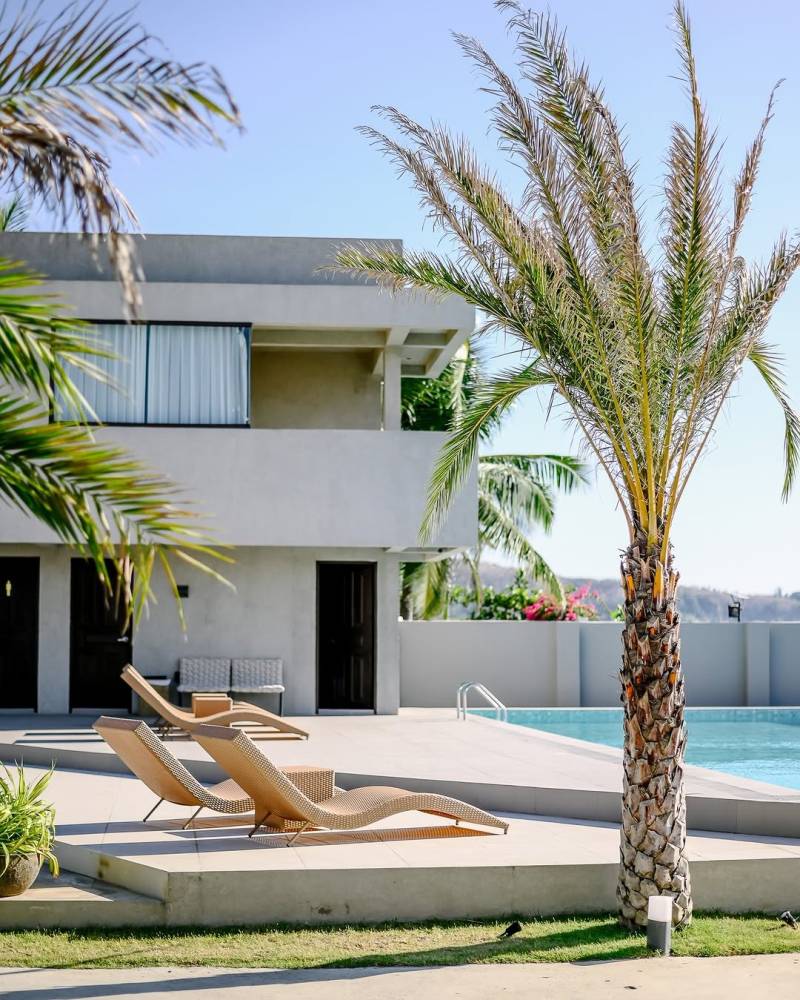
Tana occupies a less crowded stretch of Lian, where rice fields and mangroves still outnumber beach clubs. The architecture leans into polished cement, open layouts, and sea breeze rather than excessive ornamentation.
With only around 50 guests at full capacity, the property attracts travelers who prefer lingering over rushing. Lunch at Trese often turns into an entire afternoon by the water.
The Mood: Refined calm on the quieter side of Batangas
Worth Noting: Ask the staff if they can source fresh bibingkoy from the local market—sticky rice with sweet mung bean filling, best eaten warm.
2. Admiral Hotel Manila, Manila
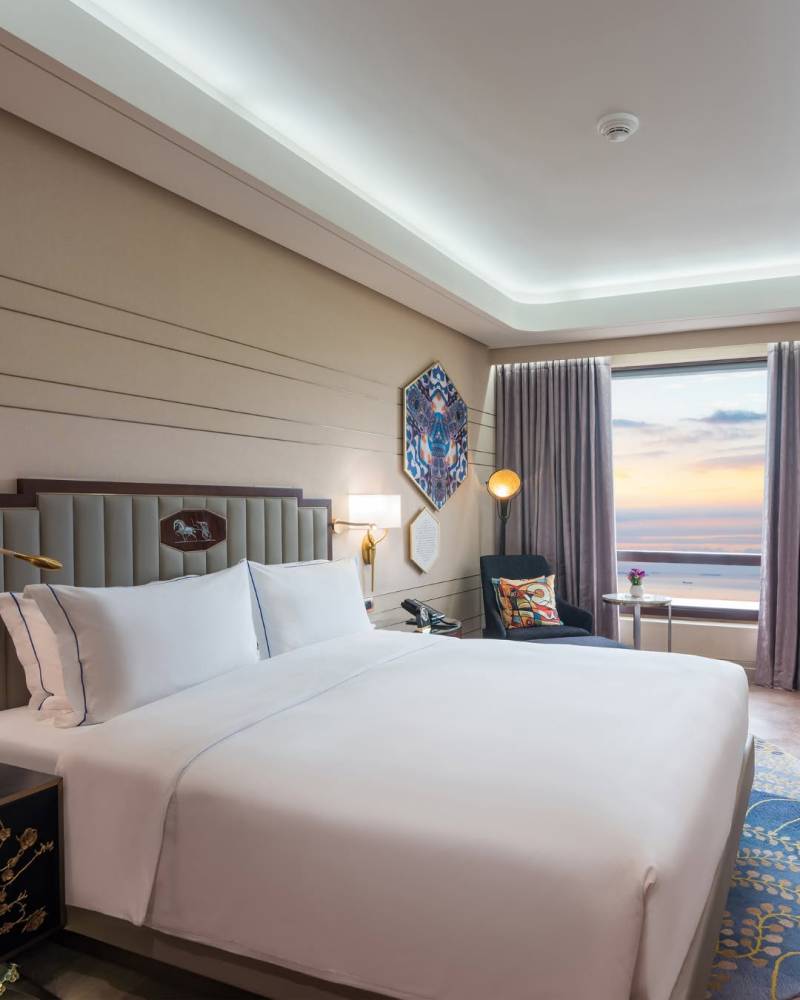
Admiral Hotel understands the appeal of a slower evening: cocktails at Ruby Wong’s, Manila Bay sunsets, and conversations that stretch well beyond dinner. The crowd ranges from old Manila families to younger creatives, giving the property a social energy without turning chaotic.
Rooms facing the Manila Yacht Club still capture one of the city’s best sunset views.
The Mood: Old Manila glamour after dark
Worth Noting: Ruby Wong’s burlesque nights feel theatrical without becoming kitschy. Order a cocktail, stay longer than intended.
3. Katig Beachfront Boutique Hotel, Siargao
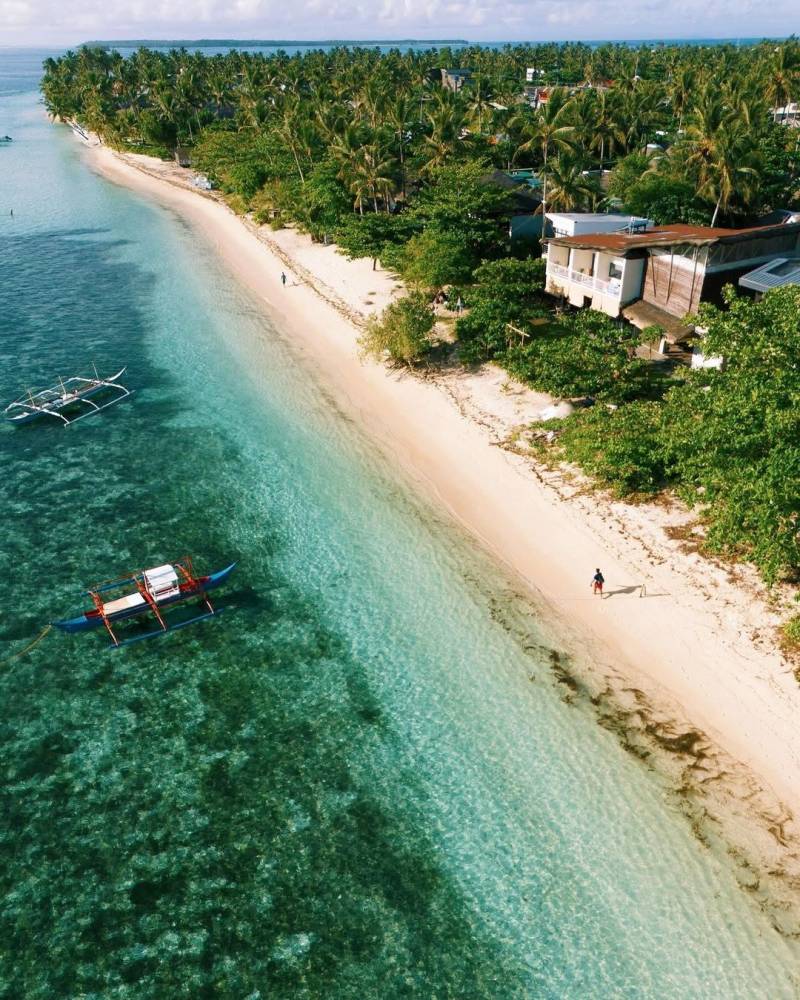
Katig feels more like staying at a friend’s beach house than checking into a resort. Shoes come off quickly, cocktails arrive cold, and afternoons disappear into naps, books, and walks by the shore. With only a handful of rooms, the property keeps things intimate without trying too hard.
The Mood: Barefoot ease with very good taste
Worth Noting: Pair your stay with lechon belly at Kanin Baboy and long dinners at Alma. Siargao’s food scene deserves as much attention as its surf.
4. Coast Boracay, Aklan
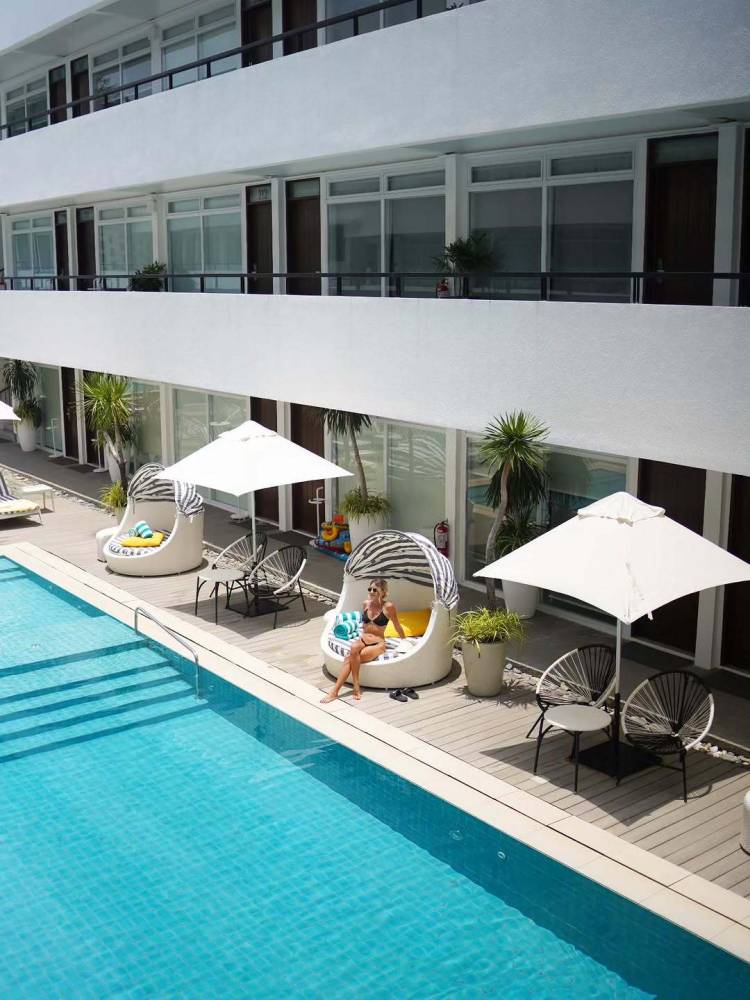
Coast manages to make Boracay feel personal again. During a solo birthday trip, the staff remembered my usual orders, checked in on me after a brief clinic visit, surprised me with a mini cake, and somehow knew when to leave me alone.
The service feels attentive in a distinctly Filipino way: caring, intuitive, and without unnecessary intrusions.
The Mood: Warmth that never feels forced
Worth Noting: Stay long enough, and the staff will likely remember your specific food allergy or preferred drinks before you order them.
5. Dusit Thani Lubi Plantation Resort, Davao de Oro
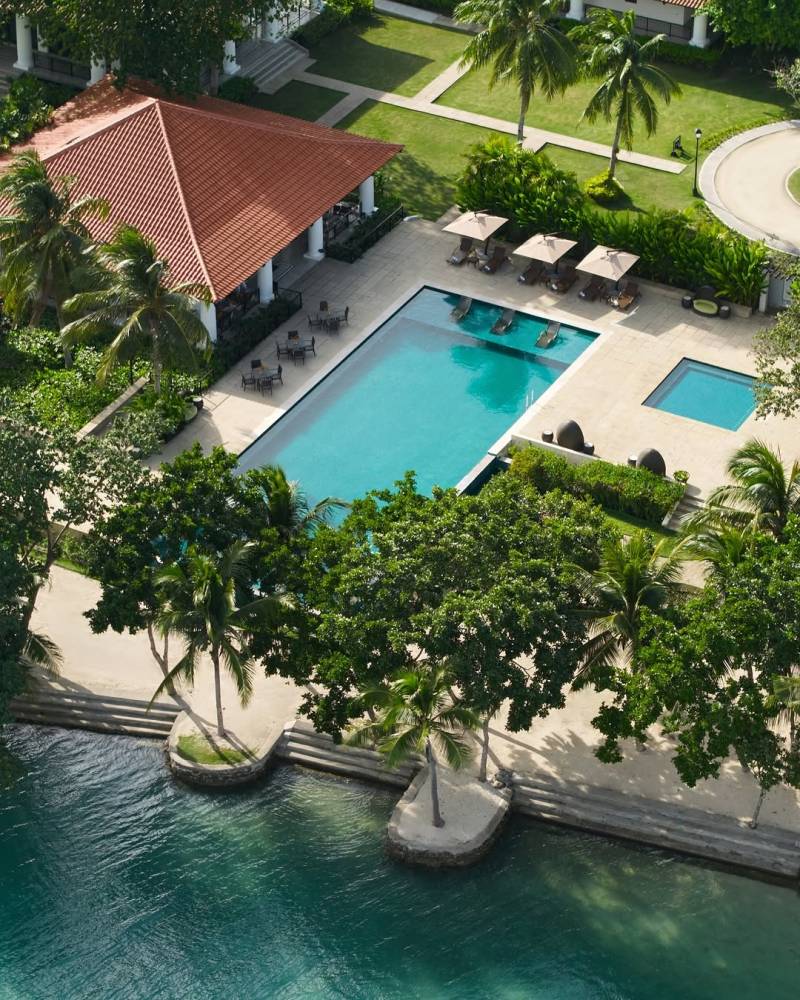
Reaching Lubi Plantation requires a boat ride across the Davao Gulf, which already shifts your pace before arrival. Coconut trees, sea breeze, and long stretches of shoreline create the sense that ordinary routines have briefly fallen away.
What stands out most, though, is how naturally sustainability is folded into daily life here. Nothing feels staged for applause.
The Mood: Island living with intention
Worth Noting: The island’s solar farm, marine sanctuary, and water systems exist because they make practical sense, not because they photograph well for brochures.