For most athletes, sponsorships are part of the job. For Rafael Nadal, they became part of the story.
The release of Netflix’s new Nadal documentary in 2026 has prompted fans to revisit the moments that defined one of tennis’ greatest careers. There are the Grand Slam victories, the rivalry with Roger Federer, the dominance on clay, and the relentless competitiveness that became synonymous with his name.
But alongside those sporting achievements sits another story: the brands that helped shape Nadal’s image over more than two decades at the top of the game.
Unlike many modern athletes who move frequently between sponsors, Nadal’s partnerships have been defined by longevity. The brands associated with him today are often the same ones that accompanied him through some of the most important moments of his career. In many ways, they grew up alongside him. The teenager bursting onto the professional circuit is not the same man who retired as one of the sport’s most respected figures—yet the partnerships remained remarkably consistent.
Perhaps no relationship illustrates this better than Nike.
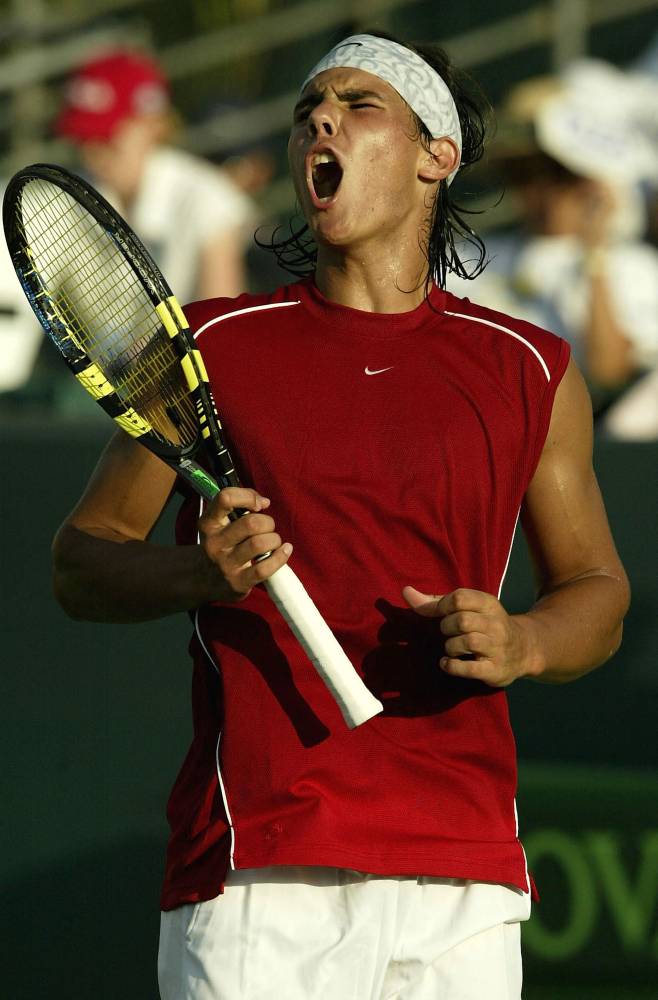
Long before luxury fashion became interested in athletes, Nadal was building one of sports’ most recognizable visual identities through the American sportswear giant. During the early years of his career, his sleeveless tops, pirate-style capri pants, headbands, and brightly colored kits stood out on a tour that was generally far more conservative in its approach to style.
The look became instantly recognizable.
As Nadal matured, so did the wardrobe. The sleeveless shirts eventually disappeared. The capri pants gave way to tailored shorts. The colors became more refined. Yet Nike never abandoned the visual identity they had spent years building together. Instead, the partnership evolved with him, reflecting his transition from rising star to established champion.
If Nike defined Nadal the athlete, Richard Mille helped define Nadal the icon.
The partnership between the tennis star and the Swiss watchmaker transformed expectations around luxury watches in sport. Traditionally, professional athletes removed expensive watches before competition. Mechanical movements were considered too delicate to withstand the physical demands of elite sport.
Richard Mille challenged that assumption.
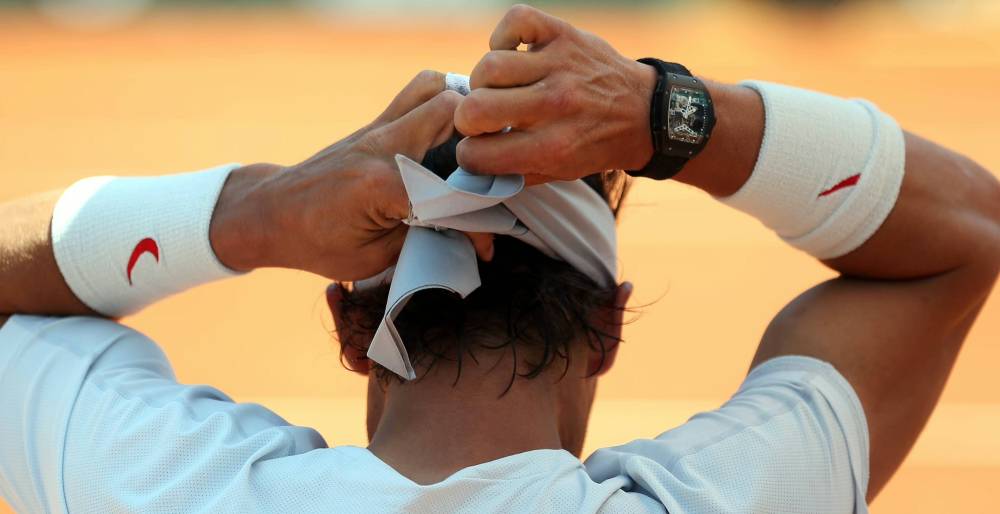
Working closely with Nadal, the brand developed a series of ultra-light timepieces designed specifically to be worn during matches. The resulting RM 027 collection became one of the most recognizable athlete-watch collaborations in luxury history. Fans could see the watch on Nadal’s wrist as he competed on the world’s biggest stages, creating an association between performance and innovation that few marketing campaigns could replicate.
READ: How fitness in Metro Manila has become a lifestyle, identity, and status symbol
The watch became almost as recognizable as his forehand.
Luxury fashion entered Nadal’s world through another long-term partnership: Louis Vuitton.
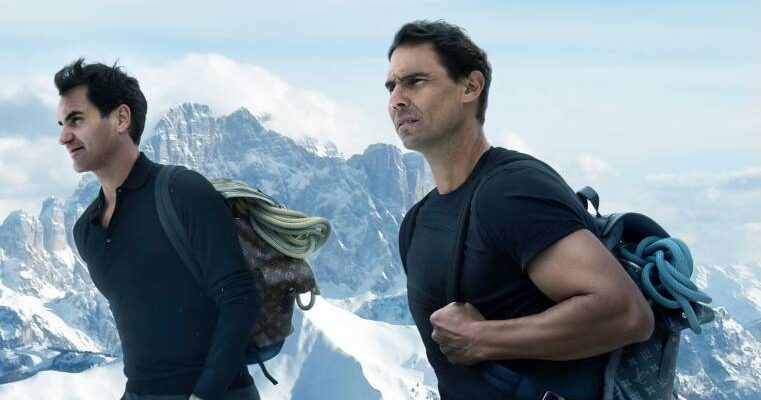
In 2024, Nadal appeared alongside Roger Federer in the French luxury house’s celebrated Core Values campaign, a project that brought together two of the sport’s greatest rivals. Rather than focusing on competition, the campaign emphasized legacy, achievement, and the idea of a journey. It also reflected a broader shift taking place within the luxury industry, where athletes were increasingly viewed not just as ambassadors but also as cultural figures capable of carrying the same influence as actors, musicians, and fashion icons.
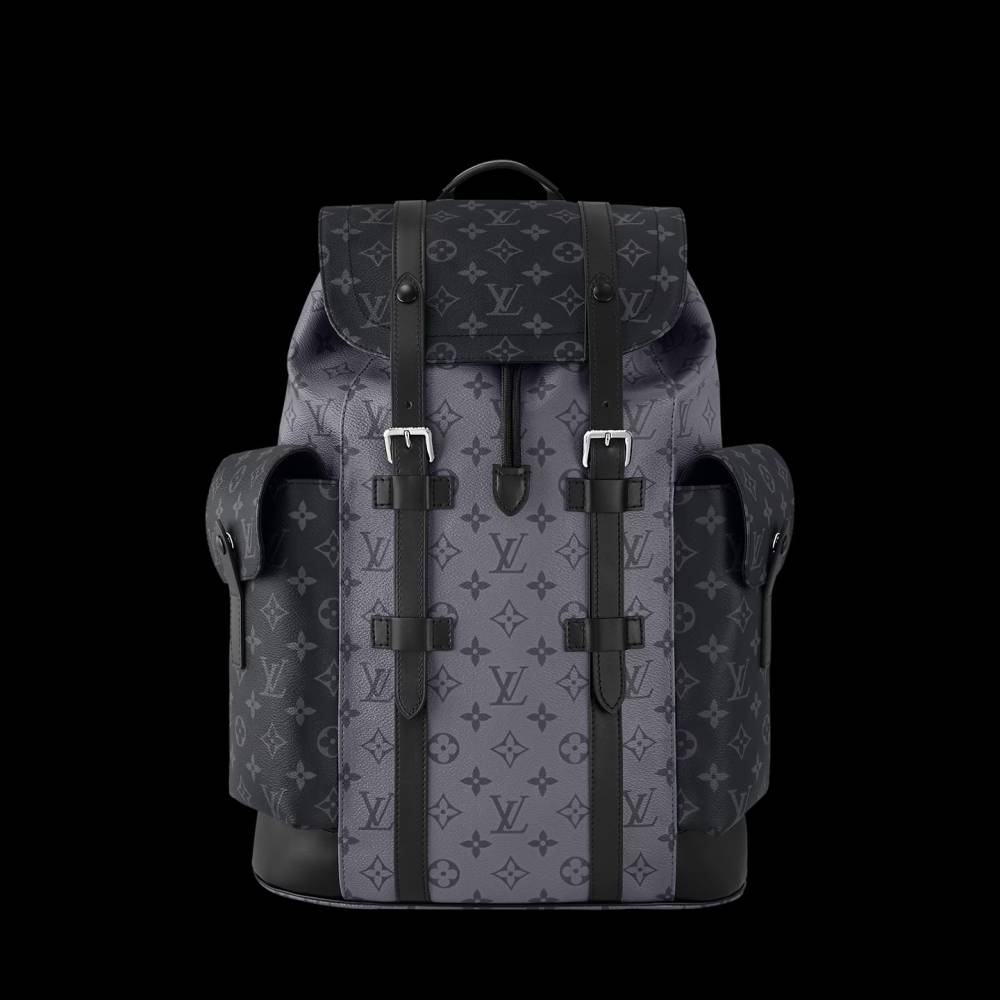
For Nadal, the collaboration felt natural. Unlike some celebrity partnerships that appear driven by visibility alone, his appeal has always been rooted in credibility. Luxury brands were not drawn to Nadal because he was flashy. They were drawn to him because he represented qualities that are increasingly difficult to manufacture: discipline, consistency, and trust.
Another company that recognized this early was Kia.
While automotive sponsorships rarely receive the same attention as luxury fashion campaigns, Nadal’s relationship with the brand became one of the longest-running athlete partnerships in professional sport. Over nearly two decades, he appeared in countless campaigns and promotional initiatives, becoming one of the company’s most recognizable global ambassadors.
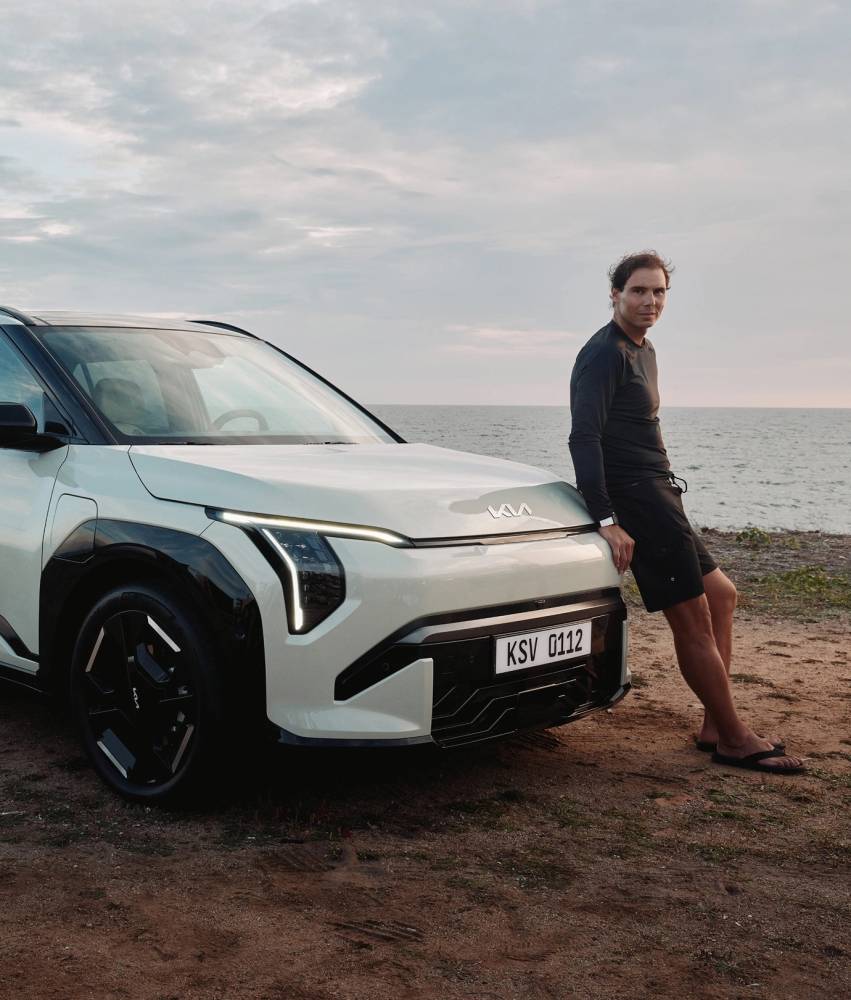
The partnership worked because both sides represented reliability. Neither was particularly interested in reinvention. Instead, they focused on building a relationship that audiences could recognize year after year.
The same could be said for Babolat.
READ: Beyond Father’s Day traditions: What your dad might need now
From childhood through retirement, Nadal used Babolat racquets, creating one of the strongest examples of athlete-product association in tennis history. For many fans, the mixed colored (bright yellow, pink, orange, and blue) racquet became inseparable from the player himself. In an era when athletes frequently change equipment providers, the relationship stood out for its stability.
That consistency is what makes Nadal’s portfolio so fascinating.
Many athletes cultivate dramatically different personas for different brands. Nadal never really did. Whether appearing in a Nike campaign, representing Richard Mille, fronting a Louis Vuitton advertisement, promoting Kia, or stepping onto court with a Babolat racquet, the core image remained unchanged.
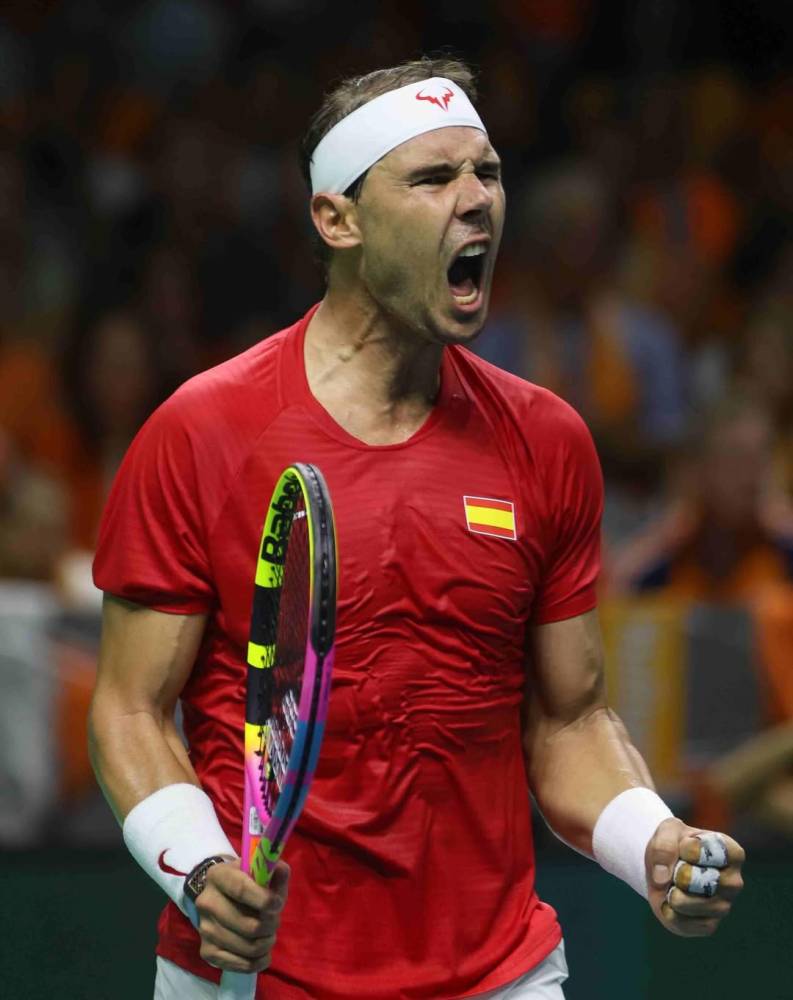
The brands evolved, the campaigns changed, the trophies accumulated but the person at the center of those partnerships remained consistent.
As the new Netflix documentary reminds audiences, Nadal’s legacy extends beyond records and championships. He became a symbol of endurance—not only for tennis fans but also for the brands that chose to invest in him.
In an era increasingly defined by short-term partnerships, viral moments, and rapidly changing ambassadors, Nadal built something increasingly uncommon. A career defined not only by victories, but by trust.
Rafa by the numbers
22 Grand Slam titles
14 French Open titles
Nike athlete since his teenage years
Richard Mille RM 027 series worn during competition
Nearly two decades as a Kia ambassador
Lifelong partnership with Babolat