
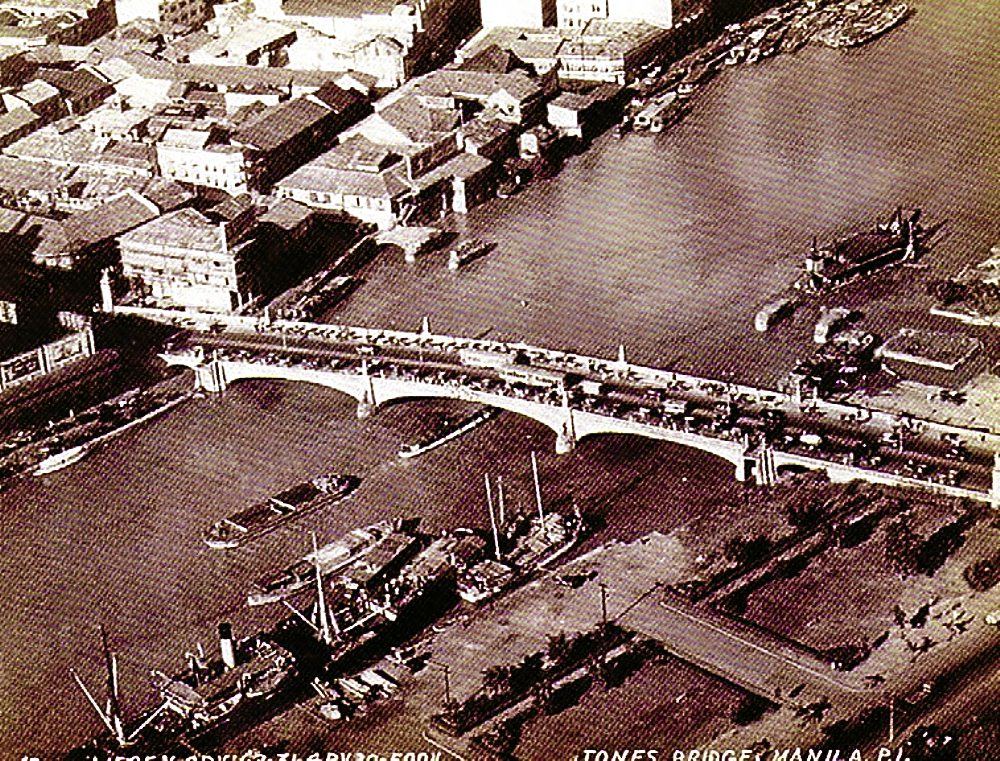
 Puentes De España en las Filipinas” (Spanish Colonial Bridges in the Philippines) catalogues and provides rare historical data of usually unnoticed Spanish colonial bridges in the Philippines.
Architect and University of Santo Tomas professor Manuel Maximo Lopez del Castillo-Noche is a tireless historical researcher who travels around the country documenting Spanish colonial heritage that today is taken for granted and simply forgotten.
He has previously published books on lighthouses, cemeteries and baptisteries. This book on Spanish colonial bridges is the result of extensive investigation, archival research, interviews and travel.
The best way to connect two points has always been with a straight line. With early road construction, often the straight line was difficult, sometimes impossible, to achieve, especially when ravines or rivers had to be spanned, so early bridges were built by teams of Spanish engineers and Filipino workers.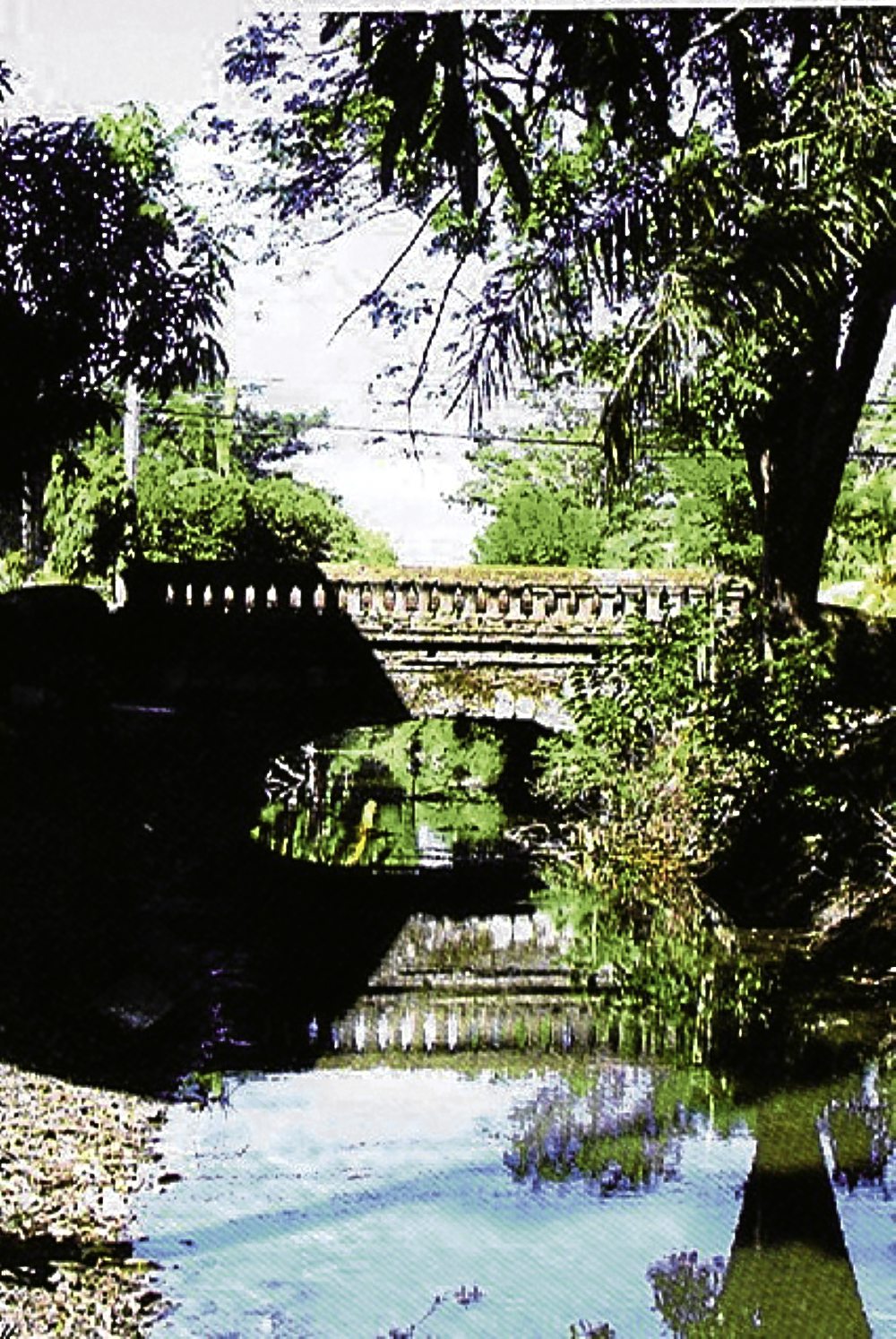
The early history of bridge construction in this country, writes Noche, “is attributed to both the Spanish missionaries and conquistadores, who, along with their task of converting, pacifying and subjugating souls, were also responsible for building communities.
“In time, specialized engineers contributed to the building of infrastructure… [leading to] the creation of Inspección General de Obras Publicas (Inspector General of Public Works), where Spanish engineers were tasked with building spans that would facilitate the smooth flow of goods not only within major centers like Manila but throughout the entire archipelago.”
Engineering genius built the bridges of the Spanish colonial era. Most spans were stone arches of hand-cut, specially shaped stones that formed the arch. After completion of the arch, the roadway was placed above it.
Ingenious solutions
Developed by the Romans, arch-building technology was extensively used in Europe but was not applicable to the Philippine archipelago where the principal means of transportation was sailing on rivers and coastal waters.
 Philippine construction skills at the time of the Spanish was advanced, as seen in the rice terraces of the Philippine Cordillera or the fortified, mountaintop settlements called ijangs of the Batanes archipelago. The construction of land infrastructure was not a necessity since the population was mostly riverine or coastal, and contact with other settlements came from either sailing on the river or the sea.
Upon the Spanish construction of the road network system that linked towns and cities to rural and agricultural areas, the need was to connect the roadways and railroad tracks in as straight a line as possible.
Arches were built to hold the bridge that spanned ravines, swamps and rivers, called “gaps” in the earth’s contour by the author.
Instead of forcing roads or railroad tracks to go through lengthy detours to get around the gaps, bridges shortened the distance. They were the straight line that connected the two points with a straight line.
“The most ingenious solutions remain hidden inside the structure, under the ground, or in the algorithms and programs of which today only the results are visible,” points out the author with regard to the engineering skills employed in bridge-building.
Marvels of great beauty
Some bridges illustrated in the book are straightforward and utilitarian. Others are engineering marvels of great beauty, such as Malagonlong Bridge in Tayabas, Quezon; Puente de Olla in Majayjay, Laguna; and especially the curving Puente Durmiente that leads into Puerta Real of Intramuros, Manila.
Manila, built in the swamps of the mouth of Pasig River on a collection of islands, was once a city of bridges. Crossing the Pasig were a number of bridges. Smaller spans linked city neighborhoods separated by a network of esteros which today have become no better than open sewers.
Exhaustive documentation by Noche throughout Luzon, including some of the Visayas provinces, painstakingly records the surviving bridges.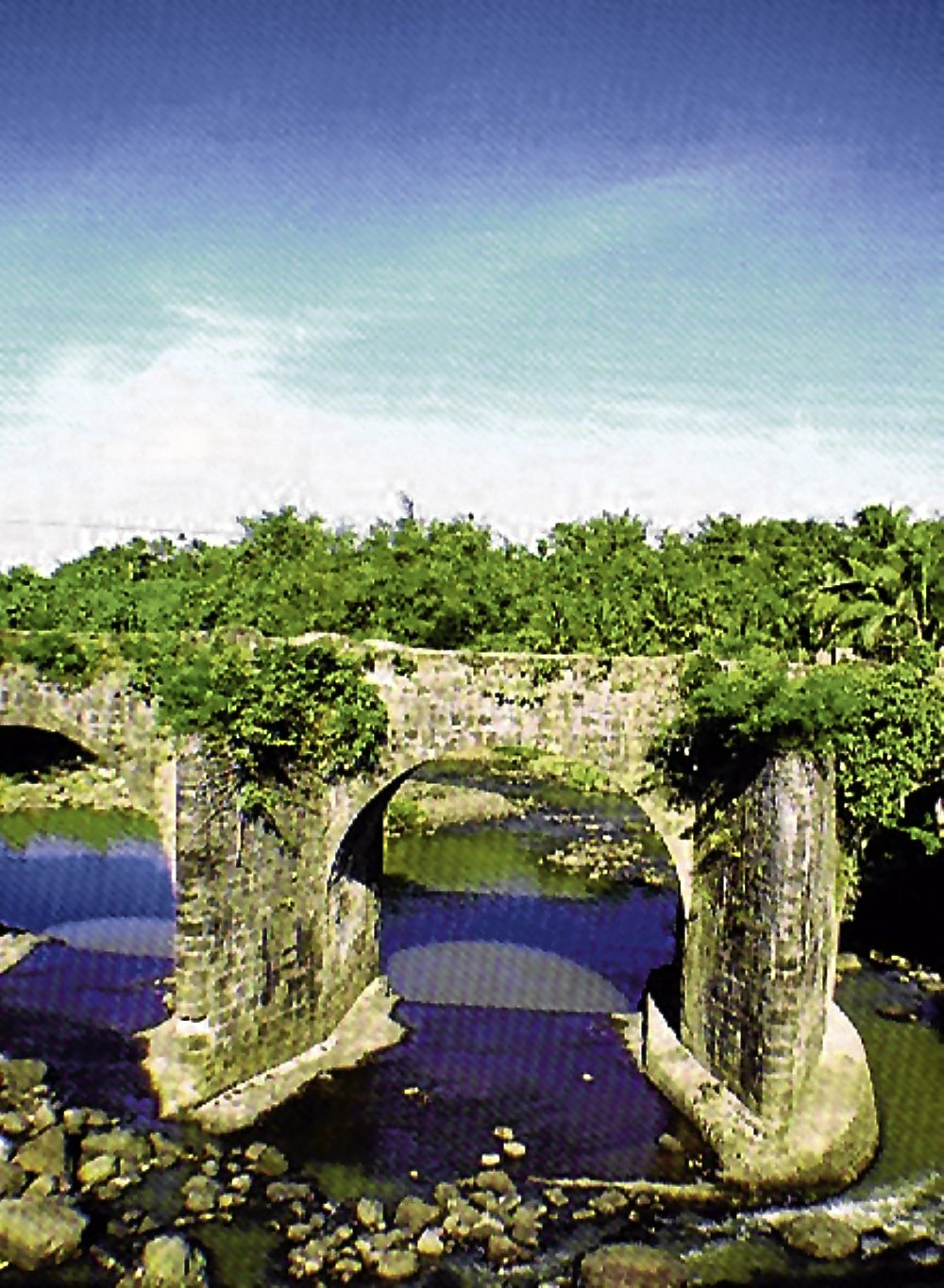
So many have been demolished by local governments or the Department of Public Works without any regard for their heritage value.
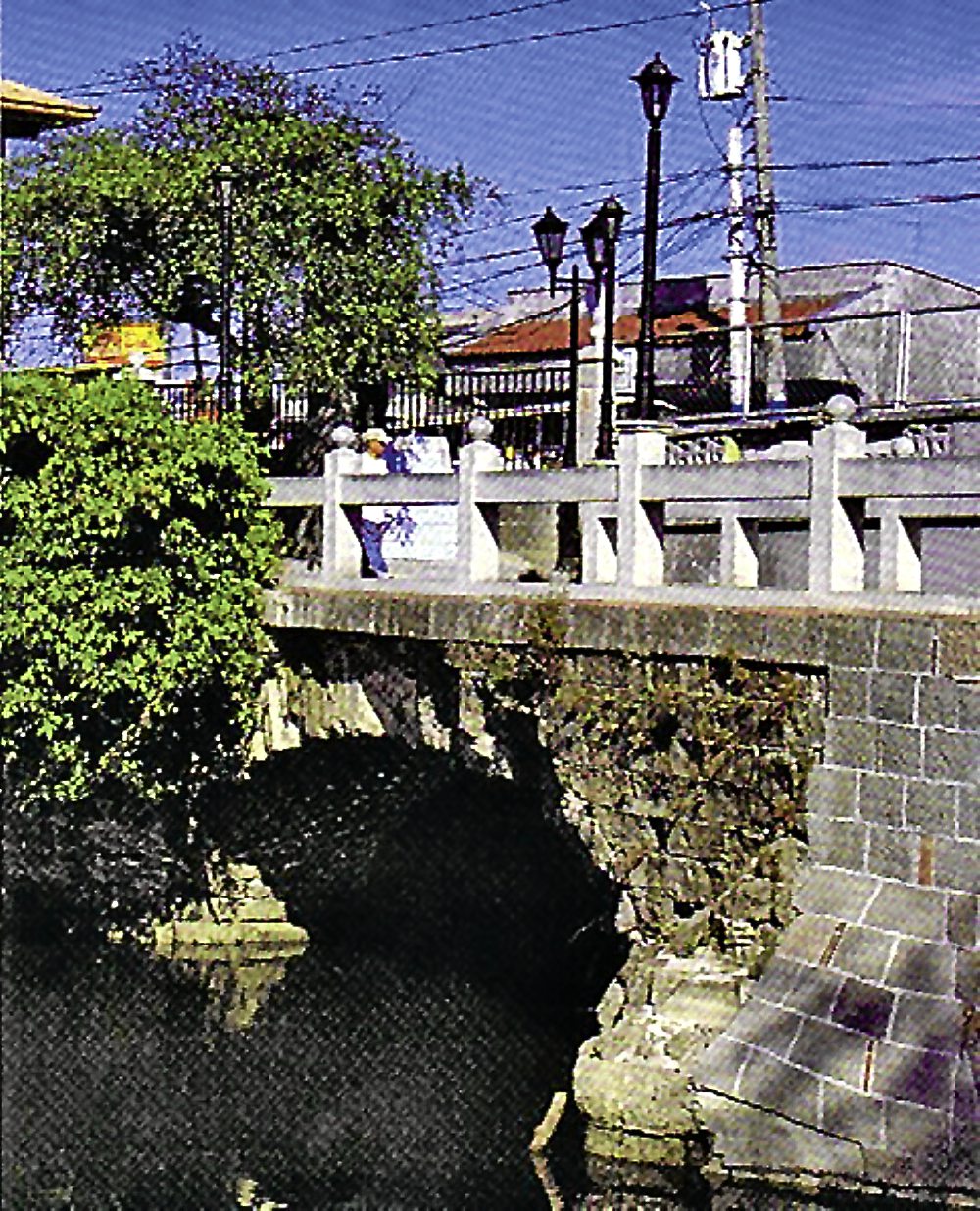
Attesting to the soundness of their original construction, many Spanish-era bridges are still in use today. Some exist in their entirety, substructure intact with only the road surface having been updated.
Beneath many of our present bridges, whether urban or rural, stand the original Spanish colonial structure. Bridges that have been spared from demolition have been either insensitively repaired or covered with concrete.
Research by Noche fills the huge gaps required for completing the still-missing overview of construction during the Spanish colonial period in the Philippines.
Noche’s book is an overdue testimony to the combined determination and skill of Spanish engineers and Filipino workers who built the roads and bridges that linked communities together.
“Puentes de España en las Filipinas” will be available at major bookshops in January. For inquiries, e-mail UST Press at [email protected].
Your comments are invited at [email protected].