
Writing this piece made me realize how valuable my work as a fitness coach really is. When clients first come to me, they typically want what most people desire: toned muscles, enhanced definition, and a faster metabolism to help manage their weight. However, after years of coaching and lifting weights myself, I’ve come to realize that strength training offers something far more powerful.
Strength training, I discovered, is not just about physical appearance. Yes, it shapes the body, but its real gifts are confidence, resilience, productivity, better health, and even life skills that extend far beyond the weight training room. After decades of lifting weights, I’ve experienced these benefits firsthand, and I’ve watched countless clients transform not just their bodies, but their lives.
Looking back, I now understand why my clients continue to train with me year after year. It’s not just the toned arms or stronger core that keep them coming back. It’s the invisible benefits: confidence, resilience, energy, and vitality. Muscles aren’t just about looking good in the mirror—they’re about living better, aging stronger, and showing up for life with power.
Your long-term investment
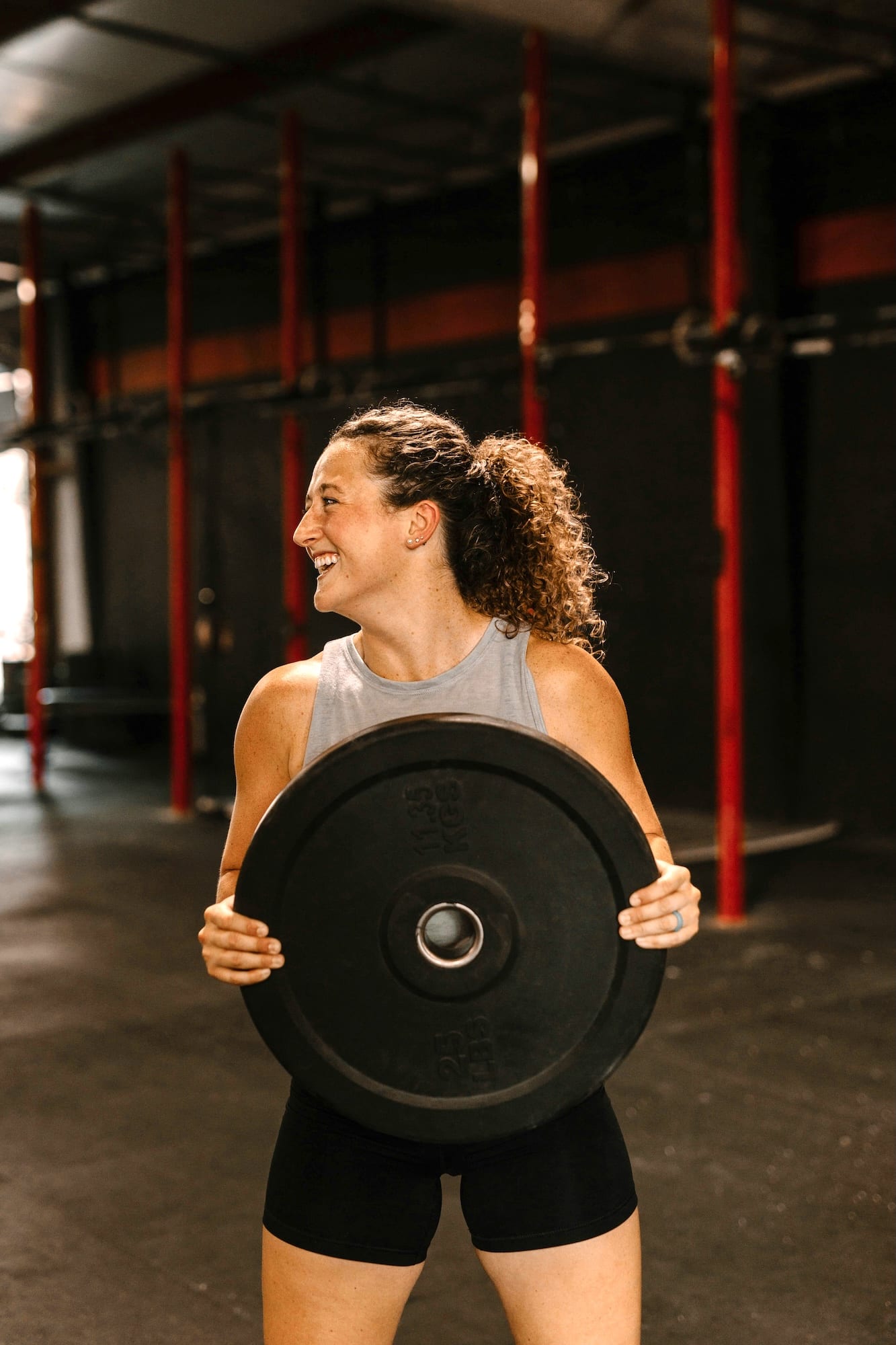
As I’ve grown older, I’ve come to see muscles as more than just strength—they’re my personal health insurance. They protect me from the natural decline that comes with aging, strengthen my bones, and keep my metabolism running efficiently. Over the years, I’ve noticed that my body is resilient to illnesses, and even when I do get sick, recovery is faster. That’s because research shows that having more muscle is closely linked to a stronger immune system.
In midlife, hormonal shifts (such as peri-menopause and menopause) bring changes to energy levels, mental state, fat storage, and blood sugar regulation. This makes muscle even more essential, as it helps regulate insulin, manage stress, and reduce the risk of visceral fat and inflammation.
Investing time and effort into strength training can also save money in the long run. Instead of spending on doctors’ fees, hospital visits, or endless supplements, muscles build resilience against illnesses. By investing in a knowledgeable and reliable coach, nutritious meals, and a supportive environment for workout, recovery, and healthy eating, you’re not just building muscle; you’re also investing in a longer, healthier, and more independent life.
Strength training can be tailored to your goals:
- Weight loss: Lifting weights with shorter rests that raise your heart rate burns more calories and fat.
- Muscle gain: Heavier lifts with fewer reps, more sets, adequate protein, and proper rest build mass.
- Toning and sculpting: Varying movements and resistance keep muscles engaged and defined.
- Longevity and hormone balance: Moderate-intensity training supports strength without spiking stress hormones.
Many people still hesitate to incorporate strength training into their lives. Some think that being “thin” is enough, while others say they don’t have time, and some believe that cardio is superior. But here’s the truth: strength training is one of the best long-term investments you can make for your health. It gives you the physical capacity and mental resilience to live fully at every stage of life.
It’s a lifesaver
I’ve never experienced a serious injury, and I attribute that to weight training. Practical functional training isn’t just about lifting; it’s about strengthening your muscles and practicing movement in all planes of motion, ensuring balance, stability, and coordination throughout the body.
My routines, for example, combine strength, core work, flexibility, and cardio, preparing me for any movement challenge.
View this post on Instagram
Even in moments when I’ve slipped, I’ve been able to fall with control, thanks to a strong core and full-body functional strength. Training this way doesn’t just build muscles—it creates a body that protects itself, helping me move safely every day.
Strength training is truly non-negotiable, especially when you consider how it protects your body from unexpected challenges, while keeping you independent and resilient.
The beauty of it is that it also adapts to your lifestyle and life stage. Whether you’re young and exploring different training styles, have been lifting for years and want to continue progressing into midlife, or are just starting later in life (Yes, you can still build muscle despite hormonal changes), there’s a path for you. Beginners can start with bodyweight movements, gradually adding dumbbells or resistance bands. With consistent effort over time, strength and resilience will grow.
It doesn’t have to be complicated or intimidating. Two to three sessions a week, lasting 30 minutes (or even less if you are starting) to 60 minutes, is often enough to make a real difference. You can train at home, in a studio, with a trainer, or even alongside a workout buddy—the key is to choose the option you enjoy and can stick with consistently.
Progress goes far beyond the number on the scale. Notice changes in body composition, improved grip strength, increased push-ups, or how much easier daily tasks become. These markers are often more motivating and sustainable than focusing solely on weight.
It doesn’t have to be complicated or intimidating. Two to three sessions a week, lasting 30 minutes (or even less if you are starting) to 60 minutes, is often enough to make a real difference
Overall, the key is balance. The proper workout should energize you, improve your sleep, and help you function better throughout the day. If you’re constantly drained, burned out, or overly hungry, your training may be adding stress rather than building resilience.
Strength beyond the gym
Muscles influence how you work and live each day. Muscles shape more than your body because they shape your day. As a coach, I can work with clients, stay on my feet all day, and still have the energy to cook, connect, and be fully present with my family. “I’m too tired” isn’t something I say as often anymore, because my body meets the demands of work and home with ease.
Strength training also built my confidence. Like many women, I carried insecurities about my height and body shape, and I turned to unhealthy habits when I was younger. Lifting weights changed that. Today, I see my arms, core, and thighs as symbols of resilience. The thighs I once disliked are now some of my strongest features, both literally and figuratively.
As a coach, my advice is simple: stop complaining about how your body looks. Reframe your thinking and appreciate what your body does for you every day—helping you move, work, and get through your day. When you begin to value your body’s uniqueness and stop comparing yourself to others, you’ll feel empowered to build strength and maintain a body that supports you at your best.
Recovery and food redefined
Another benefit I never expected was how strength training reshaped my relationship with rest and food. I fall asleep quickly now and wake up refreshed, because my body has learned how to recover. Food—once just about calories and guilt—has become fuel and protection.
Recovery is just as critical as training. Deep sleep (the first few hours of your seven- to eight-hour sleep) is when your body repairs muscle tissue, restores hormone balance, and strengthens immunity. Managing stress through mindfulness, gentle movement, or simple downtime ensures your hormones stay balanced, supporting both performance and long-term health.
Nutrient timing is key for both preparation and recovery. Pair protein with quality carbs. Carbs replenish glycogen and provide the energy your body needs to train harder and recover faster. Fueling your body with nutrient-rich, energy-giving food enables you to lift heavier weights, train harder, burn more calories, and maximize muscle growth. After your workout, consuming a protein- and carb-rich snack within one to two hours helps boost muscle recovery and replenish energy stores. Distribute protein evenly throughout the day, aiming for 20 to 30g per meal or snack to support muscle protein synthesis. From my own experience, a solid breakfast with both carbs and protein sets me up for more vigorous workouts. Whenever I eat oats, buckwheat, or sweet potatoes paired with eggs, nuts, seeds, or protein powder, I feel more energized and capable of pushing harder during my morning sessions.
Strength training, when paired with proper nutrition and recovery, becomes more than exercise because it becomes a lifestyle that protects your body, supports hormone balance, and empowers you to live fully at any age
Strength training, when paired with proper nutrition and recovery, becomes more than exercise because it becomes a lifestyle that protects your body, supports hormone balance, and empowers you to live fully at any age.
Embracing challenges and daily life demands
I’ve learned to see extra load or weight not as a burden, but as an opportunity. Carrying my 12-pound dog, Chia, or heavy grocery bags becomes added resistance that strengthens my biceps, shoulders, and core. Even climbing stairs at home excites me, because every movement benefits my muscles, heart, and long-term health. Household chores (sweeping, mopping, cleaning, and rearranging furniture) turn into exercises that enhance strength, balance, and longevity, while keeping my home organized.
Strength also unlocks adventure. Whether hiking mountains or participating in races, I can tackle challenges confidently because my body is well-trained for endurance, speed, and resilience. The ability to push through discomfort transforms everyday life, giving energy, confidence, and freedom to embrace new experiences.
The strength I’ve built in my muscles saves me time and energy in everyday life. When traveling or catching a train, even with heavy backpacks or luggage, I can run, climb stairs, and make my ride without stress, leaving more time for other things. During routine hospital check-ups, I take the stairs instead of waiting for the elevator, making simple tasks quicker and easier.
To make strength training practical, analyze your daily life and identify the moments where muscle matters most. Is it carrying and playing with your kids? Assisting aging parents? Staying agile and strong to meet the demands of your work? Or keeping up with household chores? Focusing on these real-life applications of strength increases motivation. It helps you rebuild functional muscle that genuinely supports your life.
Email the author at [email protected] or follow/message her on Instagram @mitchfelipemendoza