The dozens of people seriously injured in a fire that tore through a crowded Swiss bar during New Year’s celebrations will need comprehensive care and could face lifelong consequences, a burn expert told AFP.
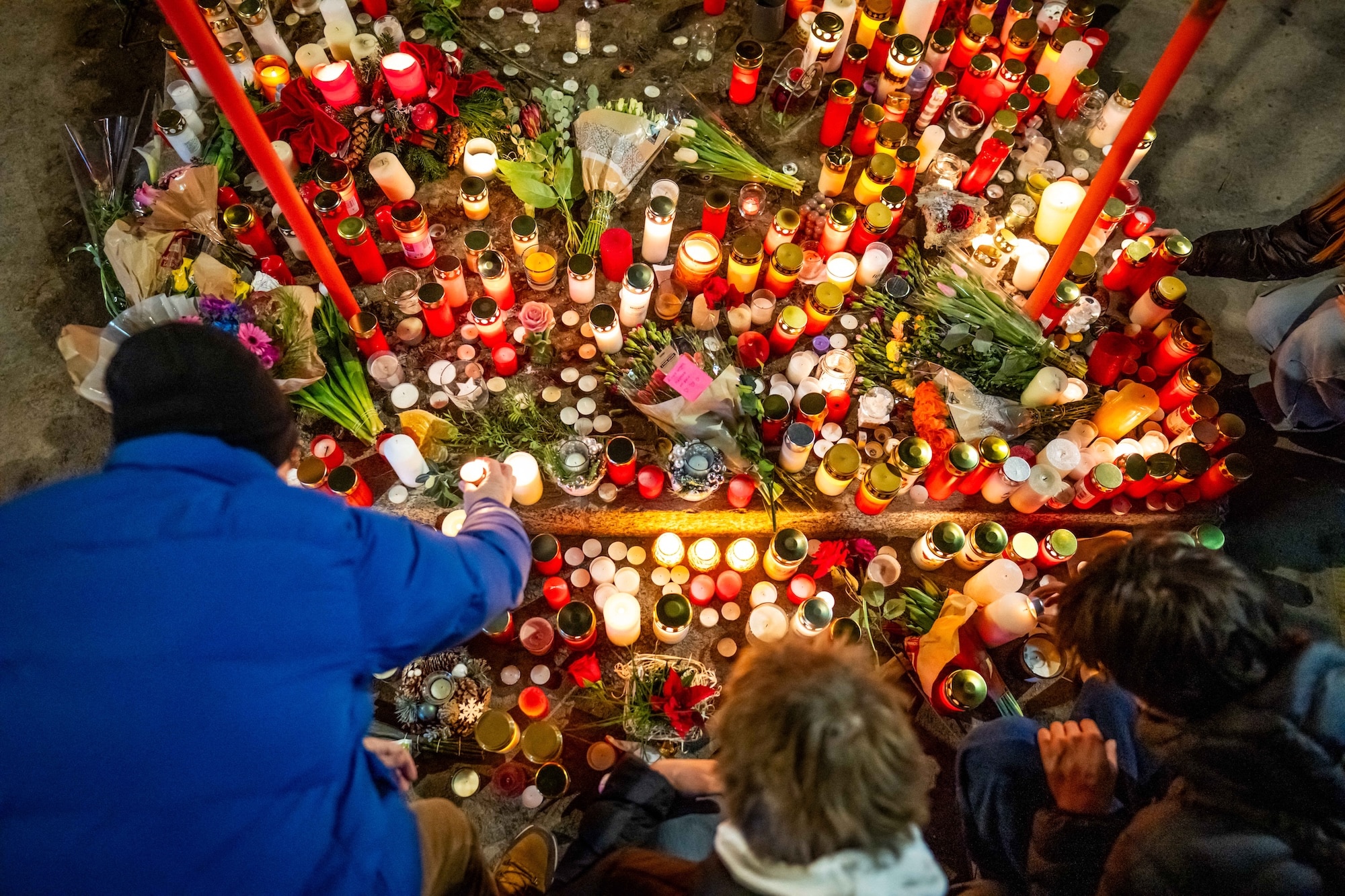
At least 40 people were killed and around 115 injured in the fire at Le Constellation bar in the luxury ski resort town of Crans-Montana.
At least 80 of the injured are in critical condition, according to local authorities.
At least 40 people were killed and around 115 injured in the fire at Le Constellation bar in the luxury ski resort town of Crans-Montana
Many of the injured were transferred across Switzerland and to other countries, including one patient who was admitted to Saint-Louis Hospital in Paris, according to French media reports.
Francois Depret, medical director of Saint-Louis Hospital’s burn treatment center, spoke to AFP on Friday about what these kinds of devastating injuries are like—and how they are treated.
What are ‘major burns’?
“Major burns are when more than 20 percent of the skin’s surface has been burned,” Depret explains. “Obviously, it is very different to have 20 percent or 90 of the surface burned,” he says, adding there were other criteria such as a burn’s depth.

First-degree burns have no lasting effects, and are comparable to “summer sunburns,” Depret said. However, third-degree burns, which do not heal by themselves, “require surgery with skin grafts,” he says.
What else can happen in these fires?
During fires in enclosed spaces such as the bar in Crans-Montana, people can also suffer respiratory burns, Depret said.
“People inhale extremely hot air that burns the respiratory tract, which adds to the severity compared to a thermal skin burn,” he says. “Both can be life-threatening.”
During fires in enclosed spaces such as the bar in Crans-Montana, people can also suffer respiratory burns
In such enclosed spaces, it is also possible to be poisoned from inhaling smoke from the fire.
How do you treat these injuries?
“Initial care can be provided in any intensive care unit,” Depret says.
“Due to the inflammation caused by the burn, these patients will lose a significant amount of fluid,” he says. “They need to be given lots of fluids, administered intravenously—sometimes more than 20 liters in the first 24 hours,” he adds.
“After 48 hours, the phase begins when skin grafts and surgery are necessary,” he says. “At this point, patients should be in a specialized centre to receive the best care.”
How are skin grafts performed?
“It is not like an organ transplant, where an organ can be taken from a dead person,” Depret explains. Instead, healthy skin must be taken from a non-burned part of the patient’s body. “The more healthy skin there is, the easier it will be,” Depret says.
Do young people fare better?
This question could be important because the bar was popular with young tourists.
Depret says the two main factors for these injuries are the surface area of the affected skin and the patient’s age. “When you are 20 years old, with the same skin surface area burned, you have a much better chance of survival than when you are 80,” he says.
Long-term consequences?
Once any infections are treated and surgery is carried out, patients need to go to a rehabilitation center.
“After a major burn, you enter a stage of chronic illness, a chronic disability: major burn victims will often have lifelong consequences,” Depret says.
“When you have burns on your face, it completely changes your self-image,” he says. Burns affecting joints can also lead to disability.
Psychological and nutritional support is important.
“These patients will also lose a lot of weight during their hospitalization because of the burn and their immobility in bed,” Depret says.
What is needed is “a comprehensive approach, involving physiotherapists—and of course nurses and their assistants for dressing the wounds,” he adds.
Enough specialized spots for fire victims?
There was no nearby country “capable of accommodating 100 patients in specialized burn centers,” Depret says.
The patients were instead quickly distributed to intensive care units that had space. “Now we are looking for places in specialized centers,” Depret adds.
On Friday, Poland offered spots to Crans-Montana patients at the country’s Siemianowice Slaskie hospital, which specializes in the treatment of burns and chronic wounds.