Skip to content
OCTOBER 27, 2022
Instagram
Facebook
Youtube
Profile
Fashion
Beauty
Culture
Travel
Food
Entertainment
Human Interest
Menu
Profile
Fashion
Beauty
Culture
Travel
Food
Entertainment
Human Interest
ABOUT US
INQUIRER.NET
BRANDROOM
F&B REPORT
MULTISPORT
NOLISOLI
PREEN
SCOUT
Search
Home
CRAFT
,
LIFESTYLE.INQ Human Interest
,
LIFESTYLE.INQ Latest
,
LIFESTYLE.INQ Noli Soli
,
Nolisoli
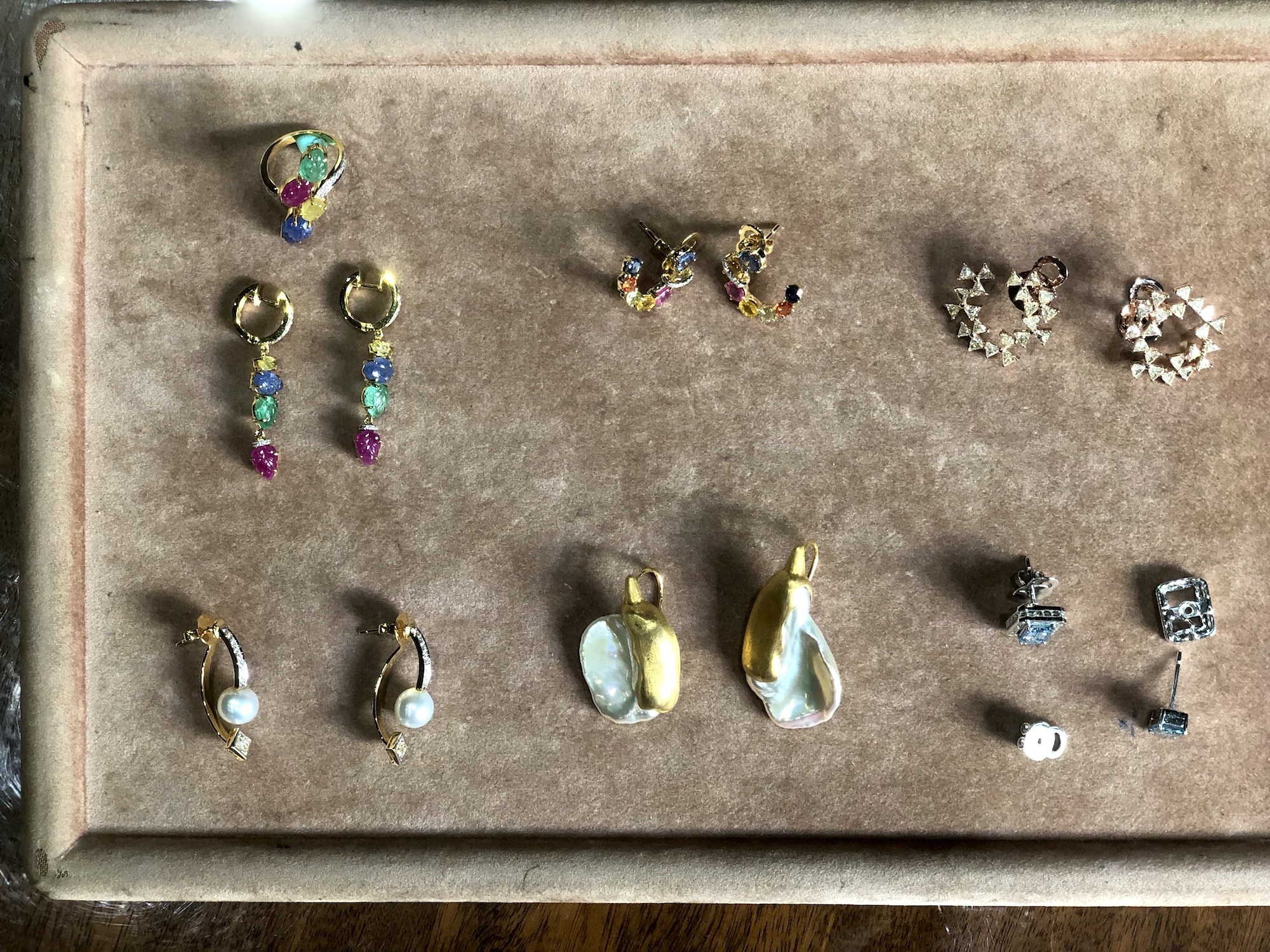
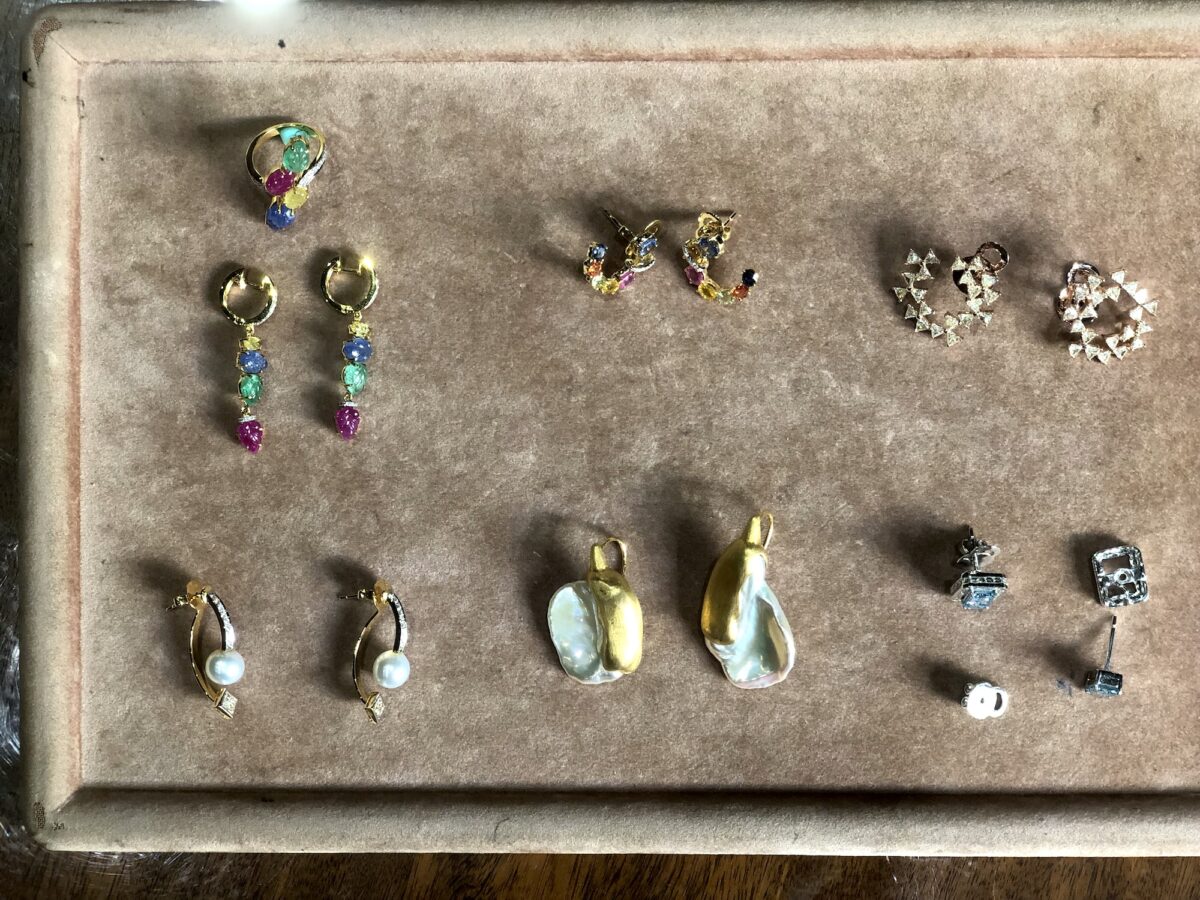
Pride of place: Bulacan’s living, handmade gems
BY
Paolo Vergara
April 5, 2025
10:31 am
LATEST ARTICLES
LIFESTYLE.INQ Celebrities
,
LIFESTYLE.INQ Latest
Russell Brand: From Hollywood star to rape suspect
BY
Brigitte Dusseau
April 5, 2025
9:20 am
LIFESTYLE.INQ Human Interest
,
LIFESTYLE.INQ Latest
Lights, camera, canonization: These sacred stories on film might just lift your spirits
BY
Lala Singian
April 4, 2025
5:57 pm
LIFESTYLE.INQ Latest
,
LIFESTYLE.INQ Noli Soli
,
LIFESTYLE.INQ Profiles
How flowers express love
BY
Noelle D. Lejano
April 4, 2025
5:18 pm
LIFESTYLE.INQ Latest
,
LIFESTYLE.INQ Multisport
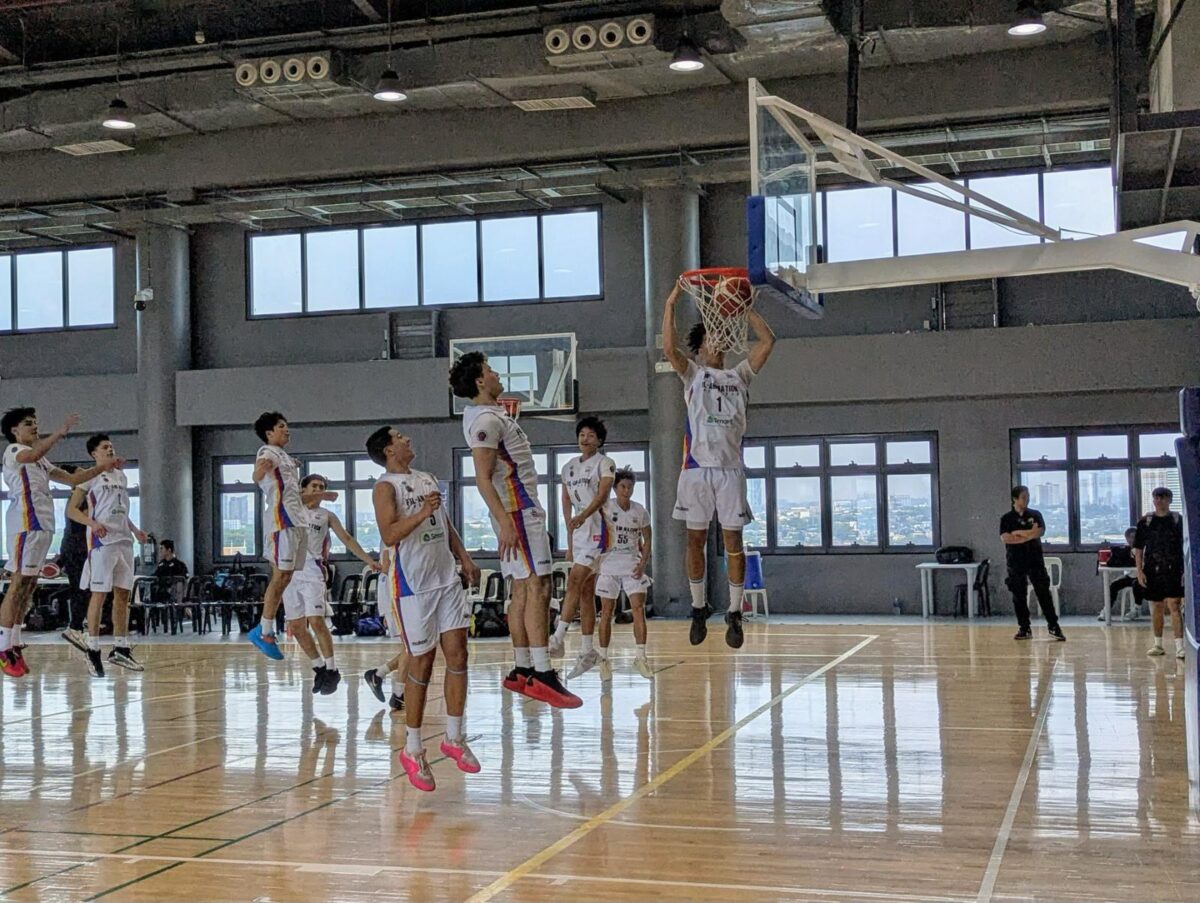
Young Fil-Am basketball players help support athletes in need through outreach
BY
Pauline Miranda
April 4, 2025
4:57 pm
Editor's Picks
LIFESTYLE.INQ Editor's Picks
,
LIFESTYLE.INQ Health & Wellness
,
LIFESTYLE.INQ Latest
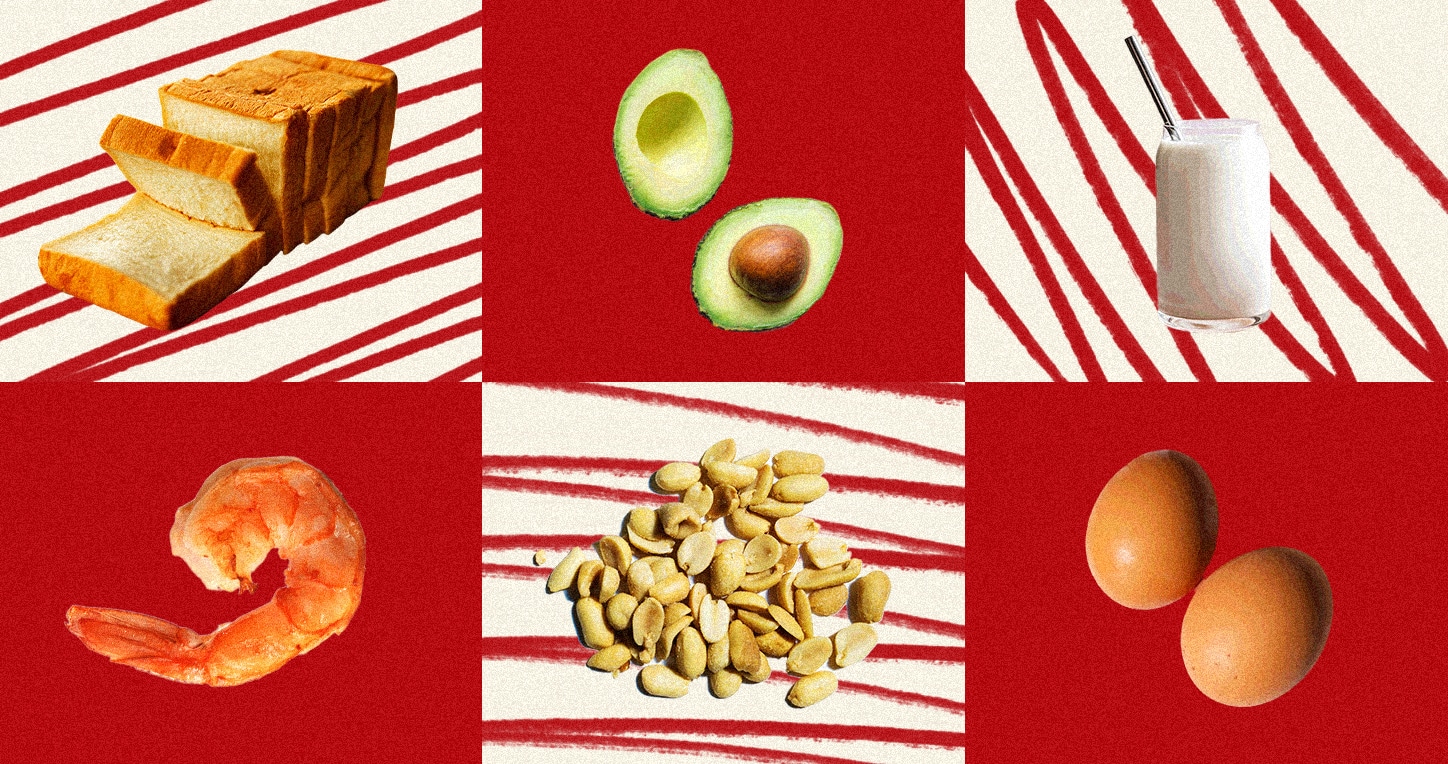
An open letter to restaurants regarding food allergies
Juana M. Yupangco MSc
LIFESTYLE.INQ Art
,
LIFESTYLE.INQ Editor's Picks
,
LIFESTYLE.INQ Latest
Art Fair Philippines’ bold move from the Link carpark to Ayala Triangle for 2025
Madeleine O. Teh
LIFESTYLE.INQ Art
,
LIFESTYLE.INQ Editor's Picks
,
LIFESTYLE.INQ Latest
18 Chinese-Filipino artists shaping contemporary art this Year of the Snake
Patrick de Veyra
LIFESTYLE.INQ Editor's Picks
,
LIFESTYLE.INQ Human Interest
,
LIFESTYLE.INQ Latest
The implications of Meta ending its fact-checking program
Carl Martin Agustin
LIFESTYLE.INQ Beauty
,
LIFESTYLE.INQ Editor's Picks
,
LIFESTYLE.INQ Latest
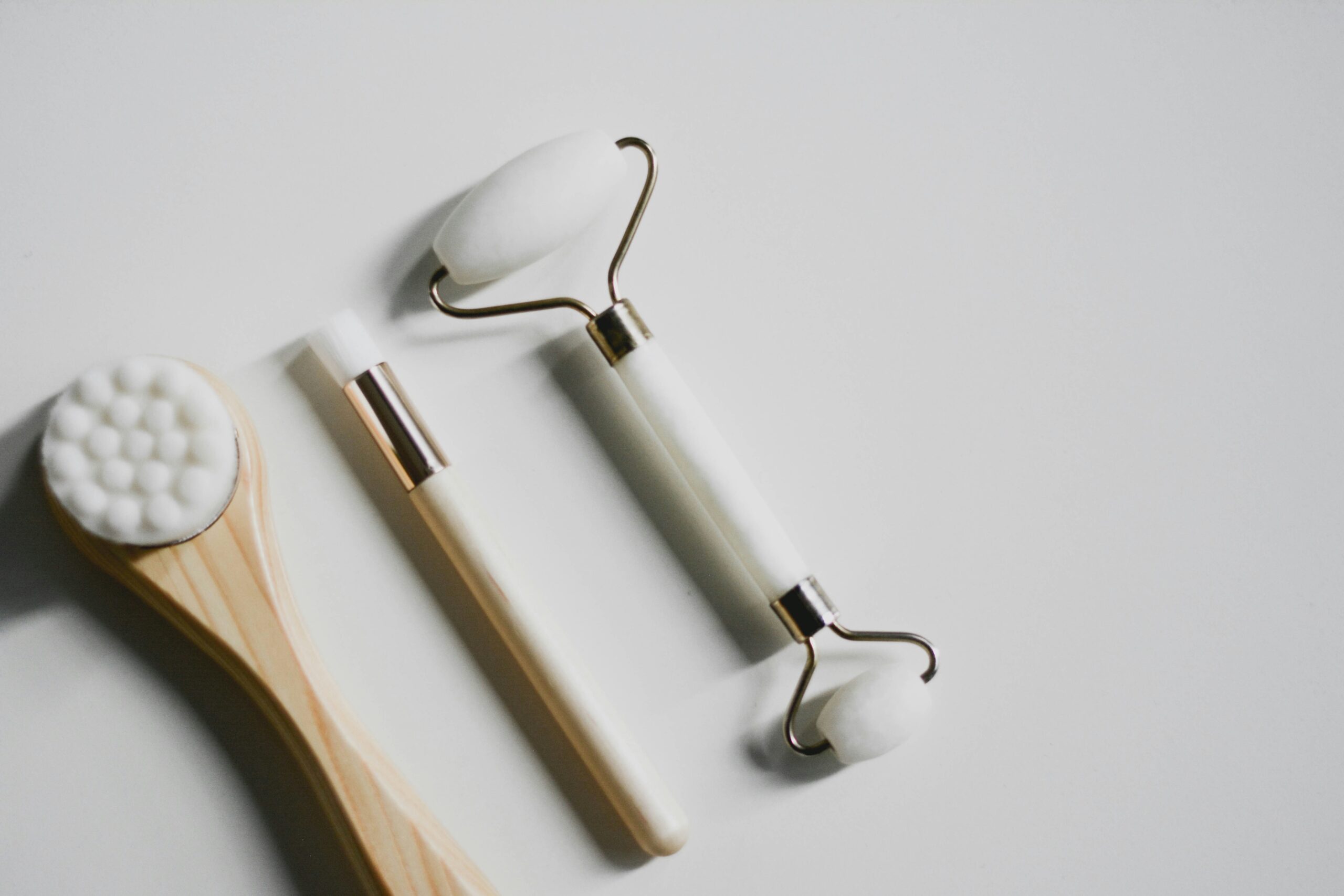
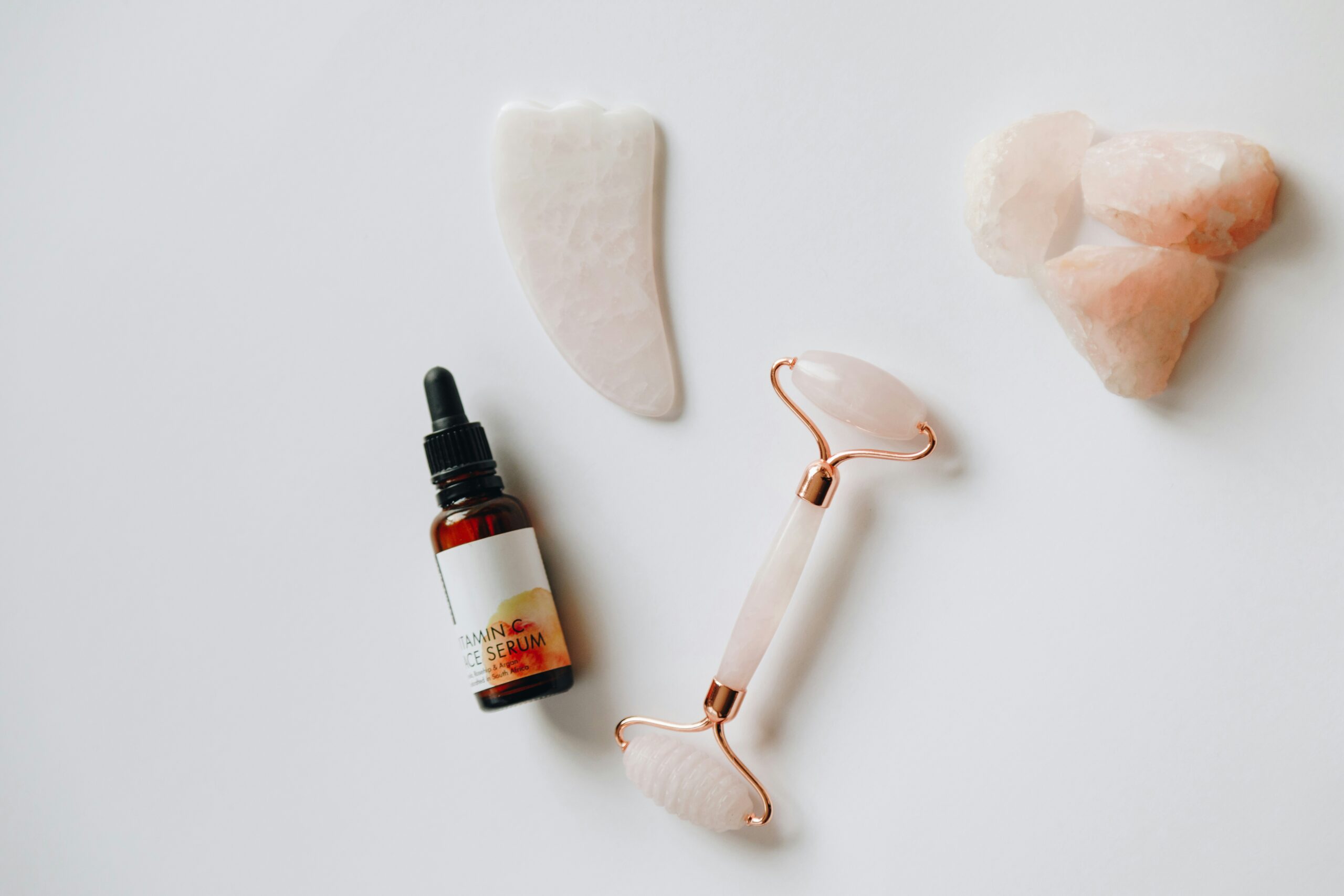
The beauty upgrade you deserve: 7 beauty gadgets for your self-care routine
Colleen Cosme
LIFESTYLE.INQ Art
,
LIFESTYLE.INQ Editor's Picks
,
LIFESTYLE.INQ Latest
,
LIFESTYLE.INQ Profiles
Filipino artist Wipo and his journey to the end of the self
Patrick de Veyra
Previous
Next
Ria Recommends
RIA RECOMMENDS
Artyzen Singapore: Orchard Road’s urban treehouse
Ria Prieto
RIA RECOMMENDS
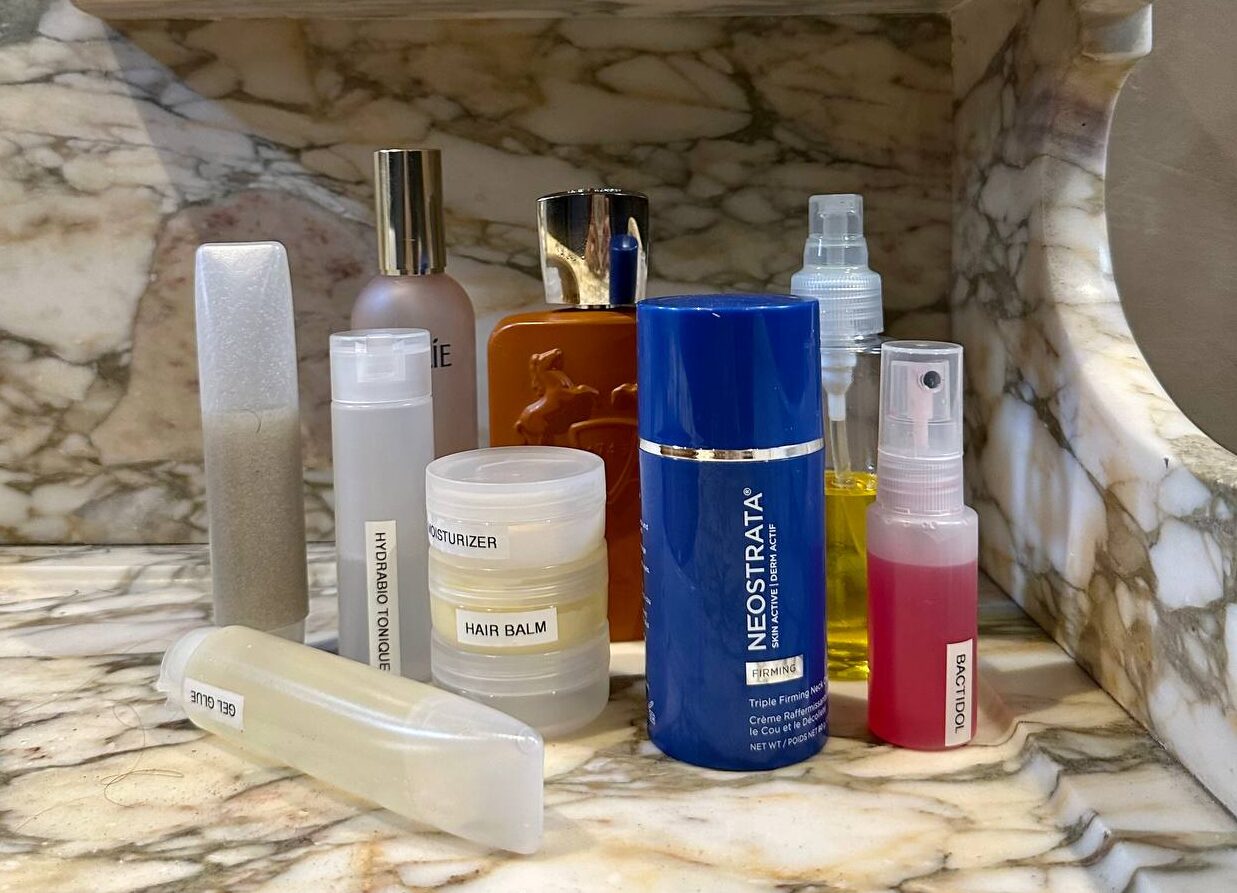
The neck: Skincare’s forgotten area
Ria Prieto
RIA RECOMMENDS
The best French skincare brands available locally
Ria Prieto
RIA RECOMMENDS
It’s okay to not want to breastfeed
Ria Prieto
RIA RECOMMENDS
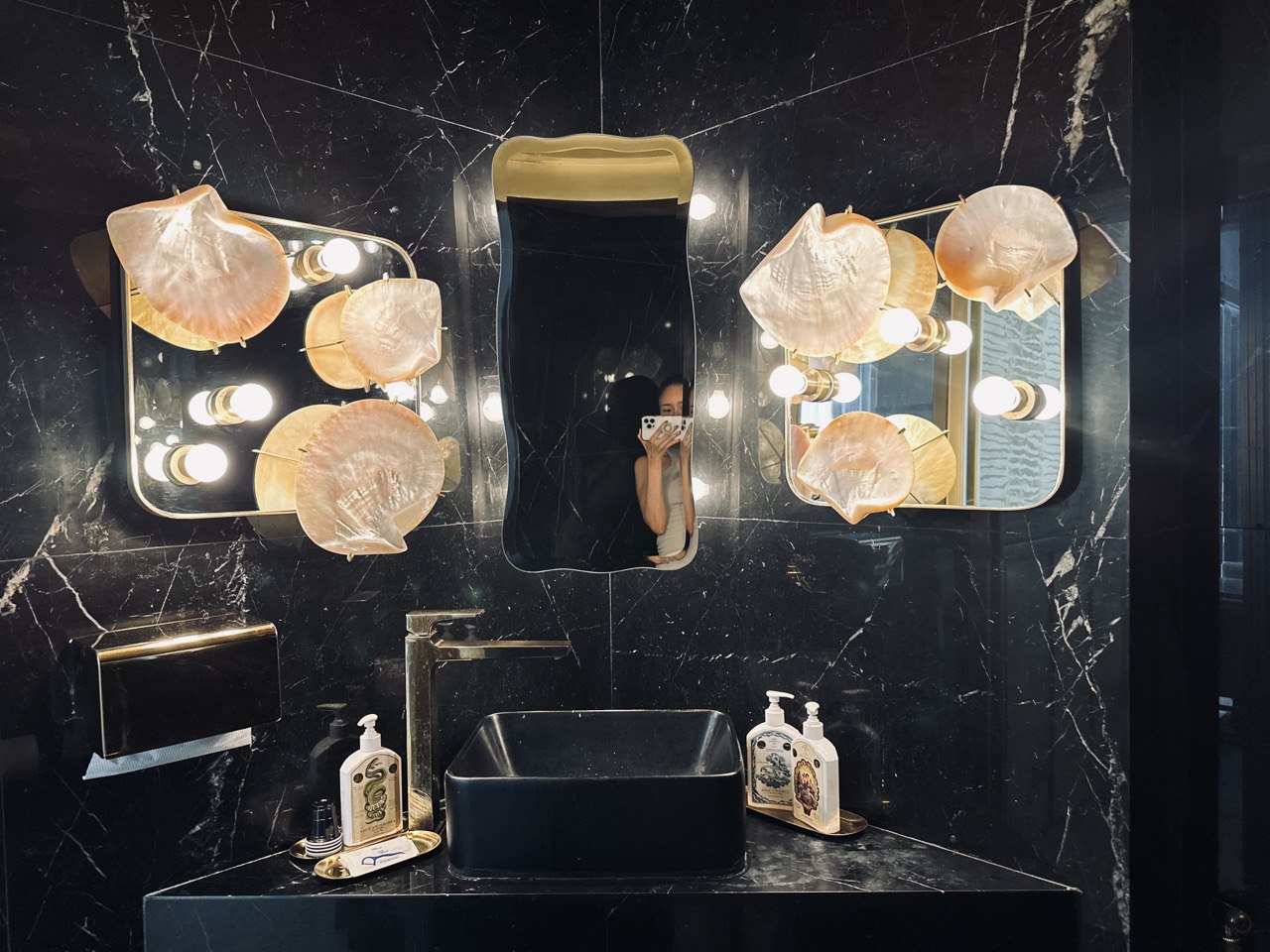
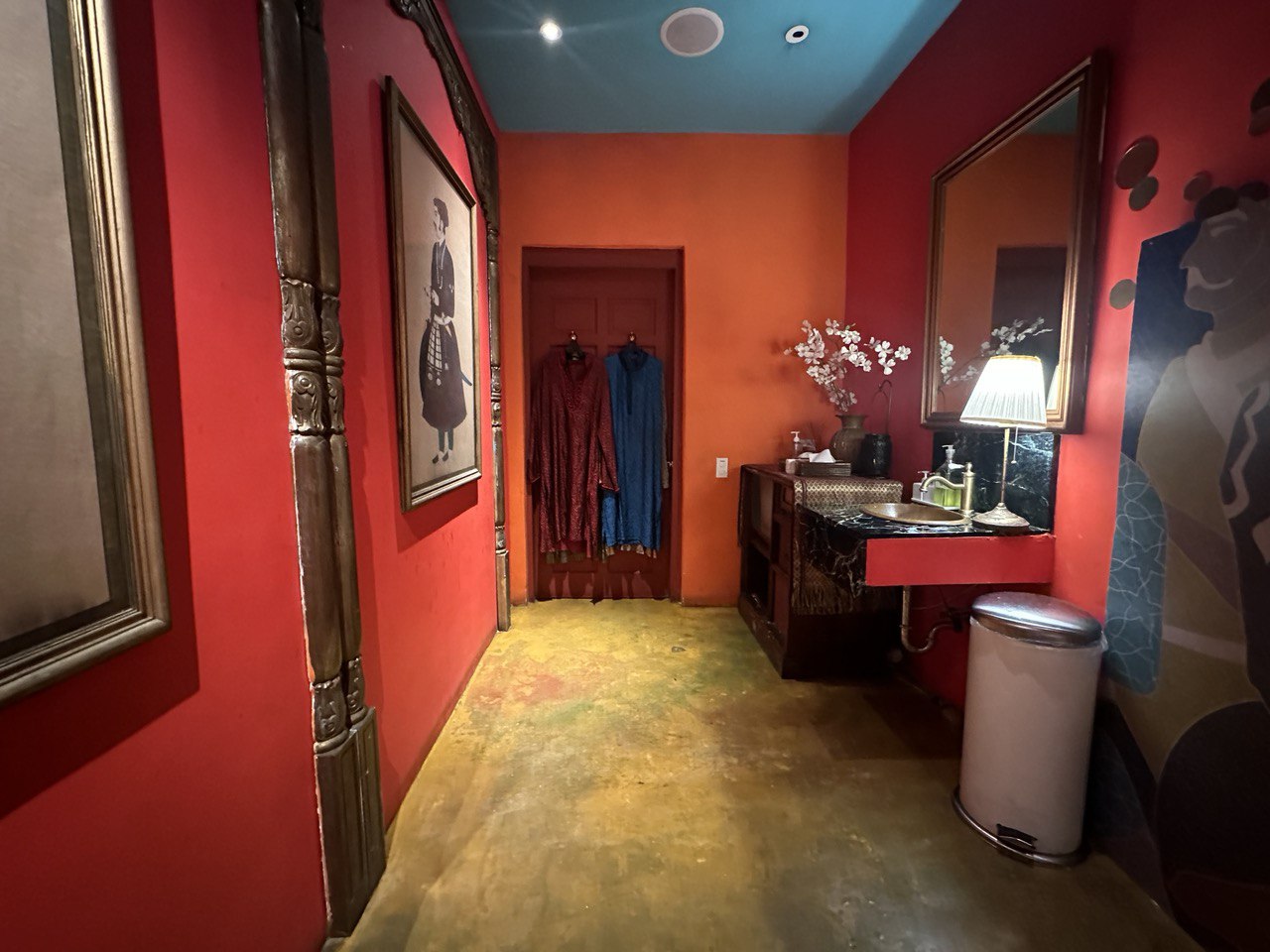
The best products to elevate any restroom
Ria Prieto
RIA RECOMMENDS
Restaurants, don’t forget about your restrooms
Ria Prieto
Previous
Next
ON THE COVER
How Kaila Estrada channels quiet strength into powerful characters
Amanda Griffin Jacob on why prioritizing your health is not selfish
Conservator Margarita Villanueva on preserving the past, present, and future of Philippine art
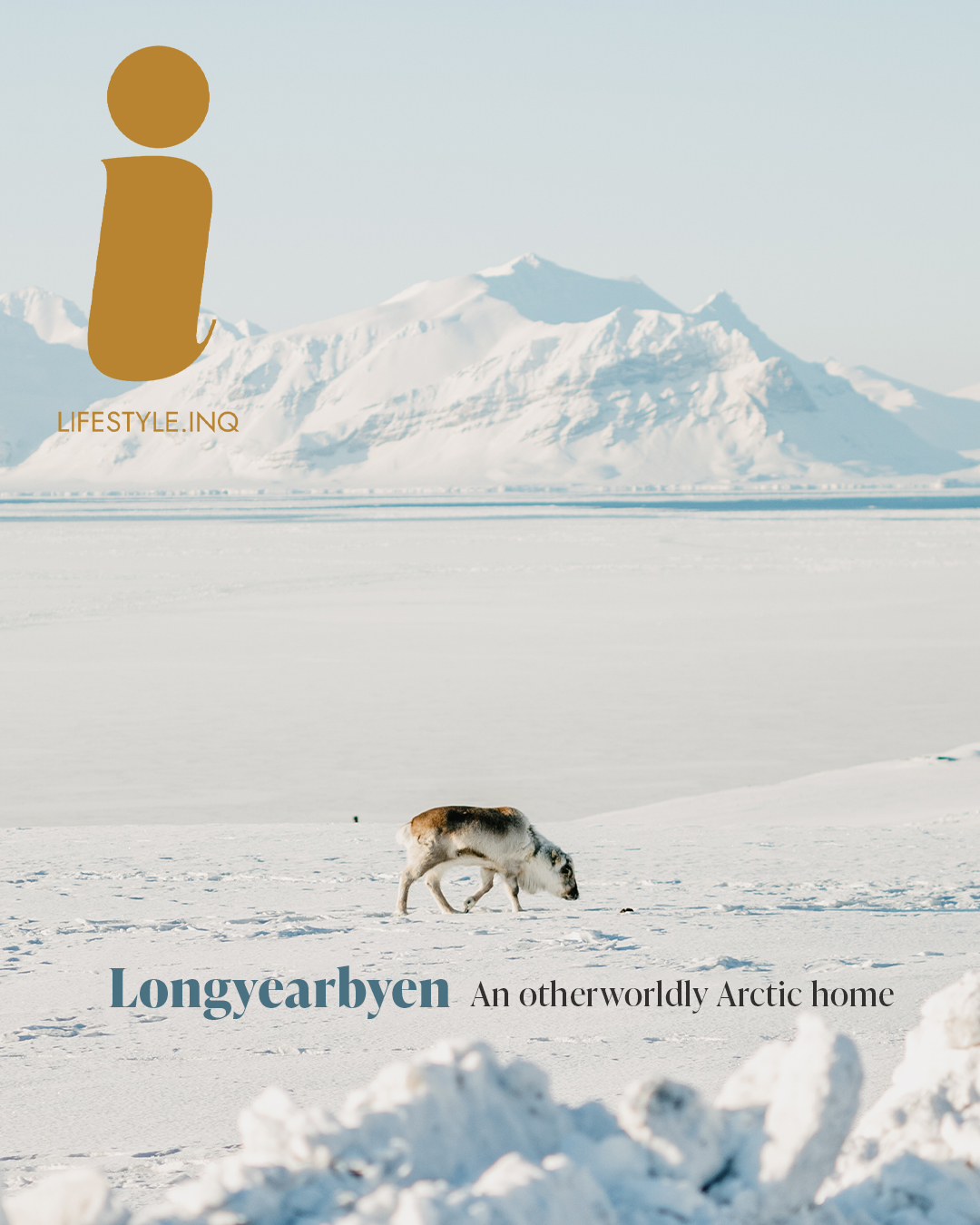
An arctic expedition to Longyearbyen, the northernmost human settlement on earth that over 200 Filipinos call home
The planetary diet with Mesa ni Misis
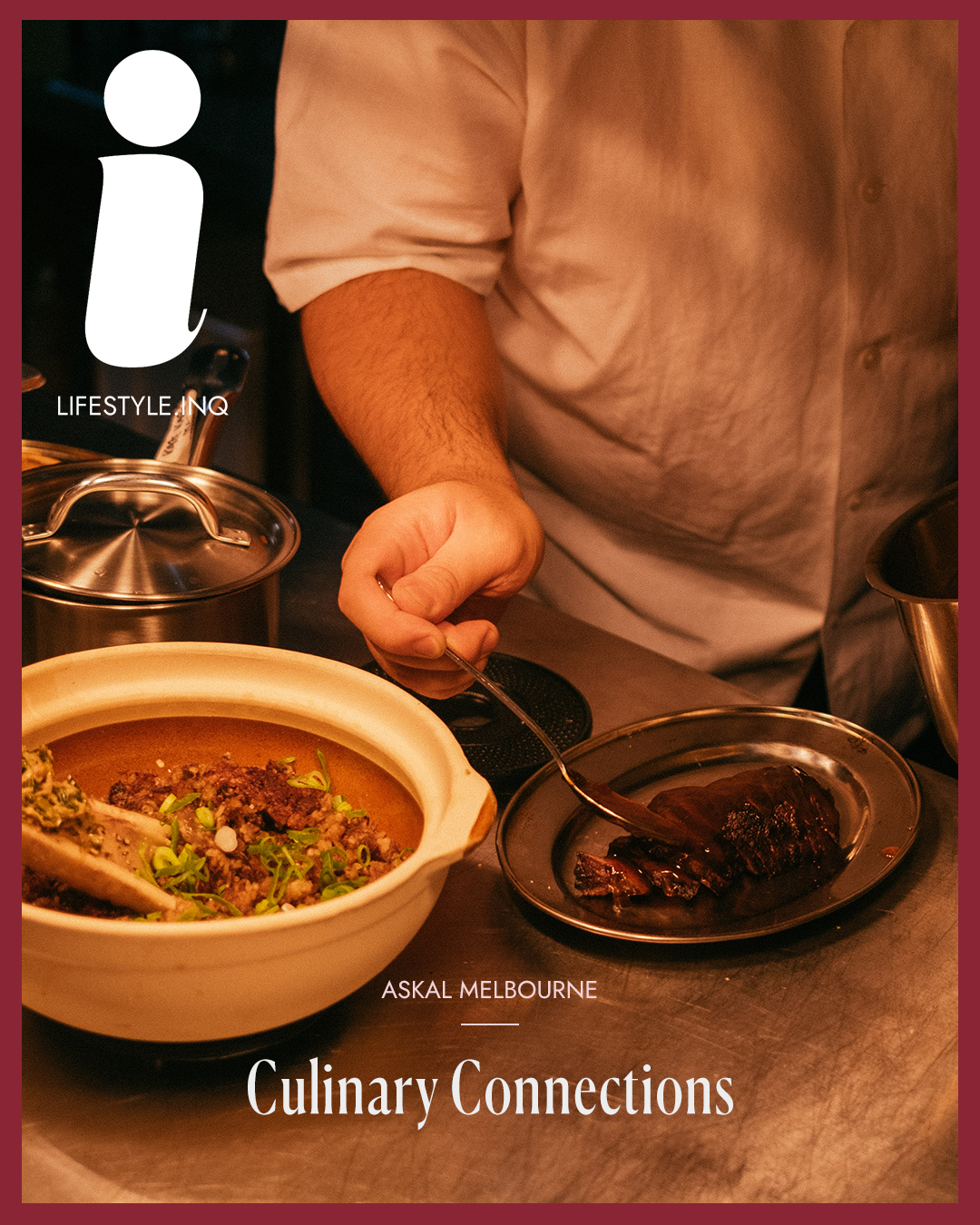
Askal: Melbourne’s love letter to Filipino cuisine
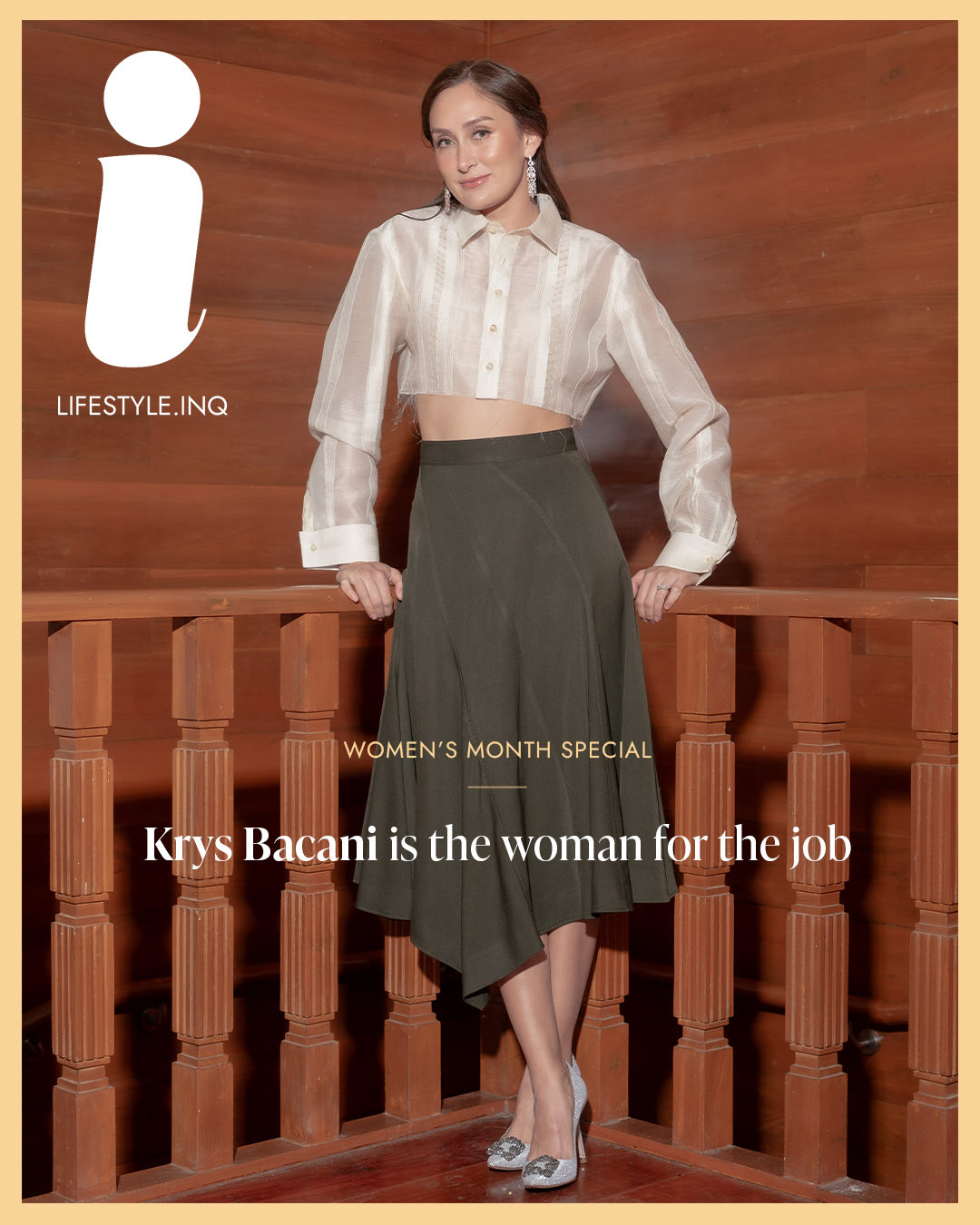
Passionate politics: Manila Councilor Krys Bacani drives women-empowered change
Vicki Belo bares her own brand of beautiful
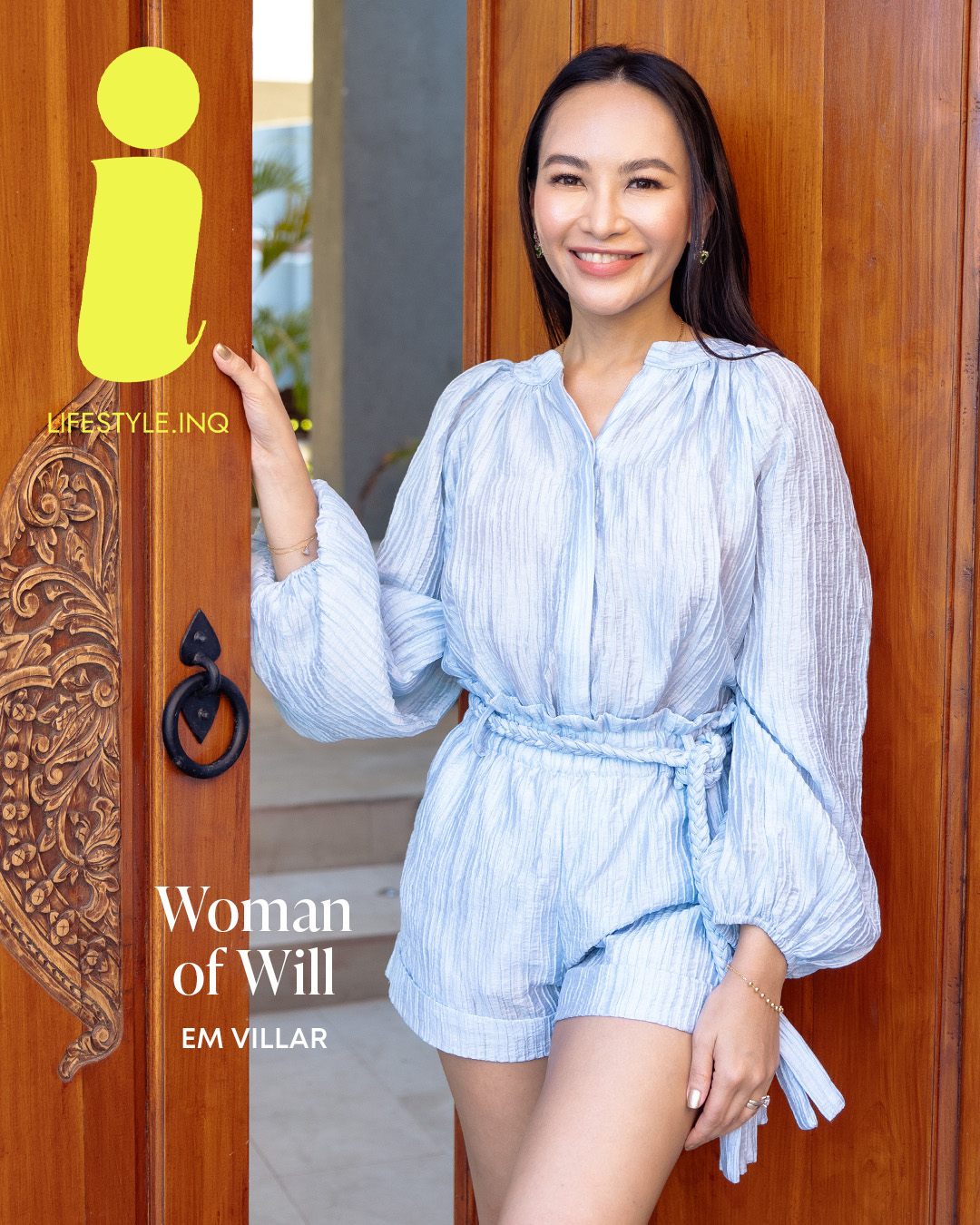
Emmeline Aglipay-Villar on finding and giving second chances
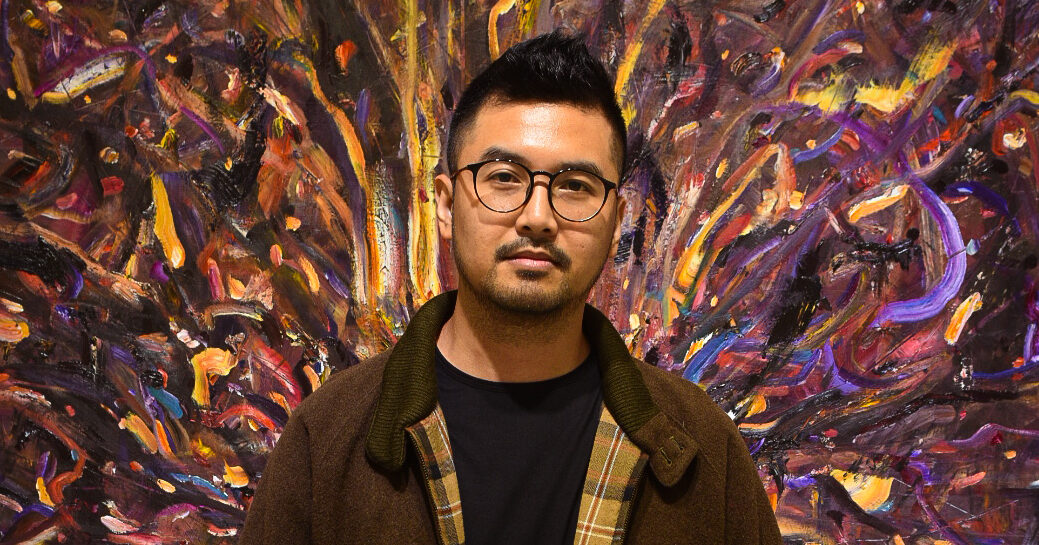
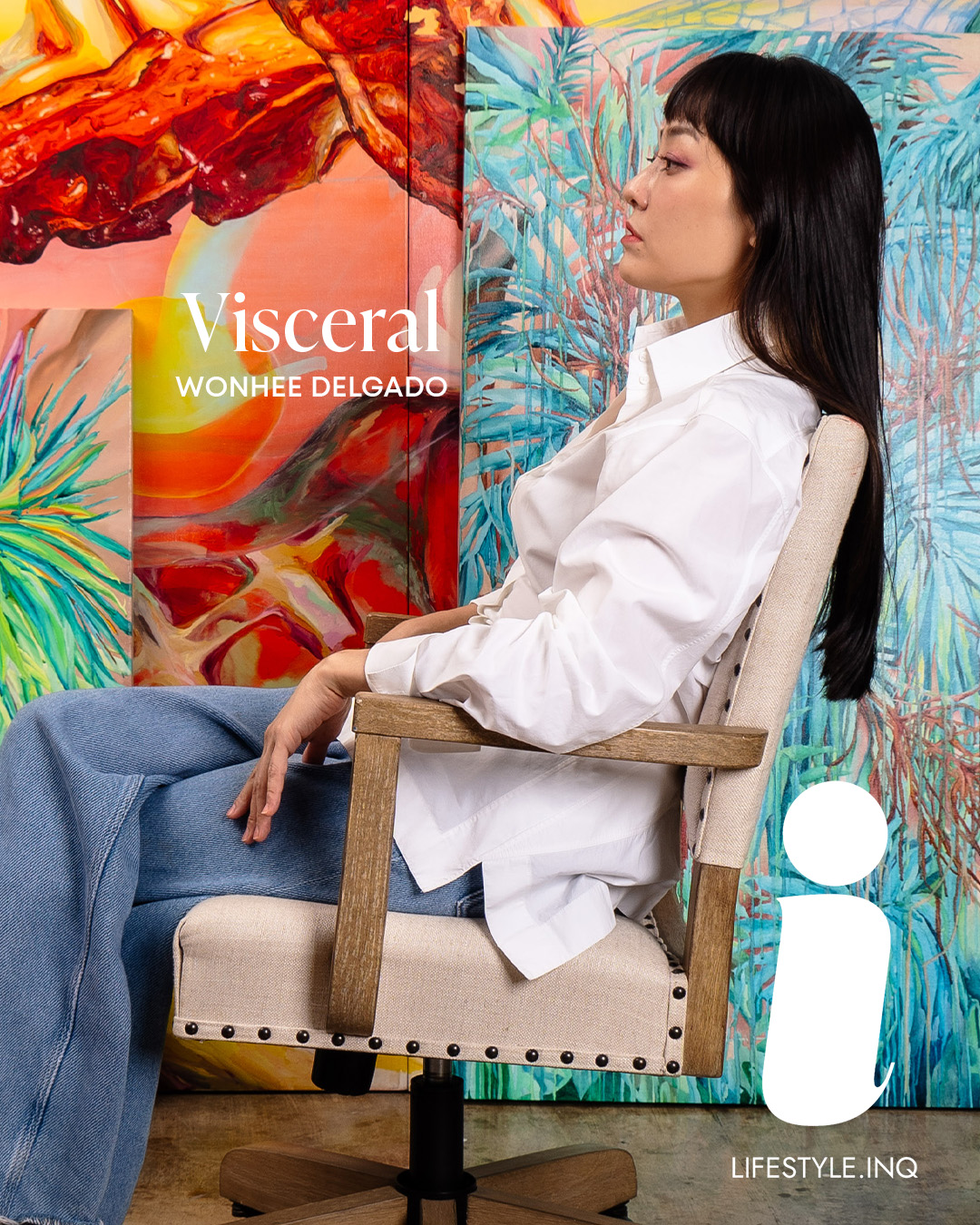
Wonhee Delgado embodies the delights of making art dynamic
Previous
Next
PROFILES
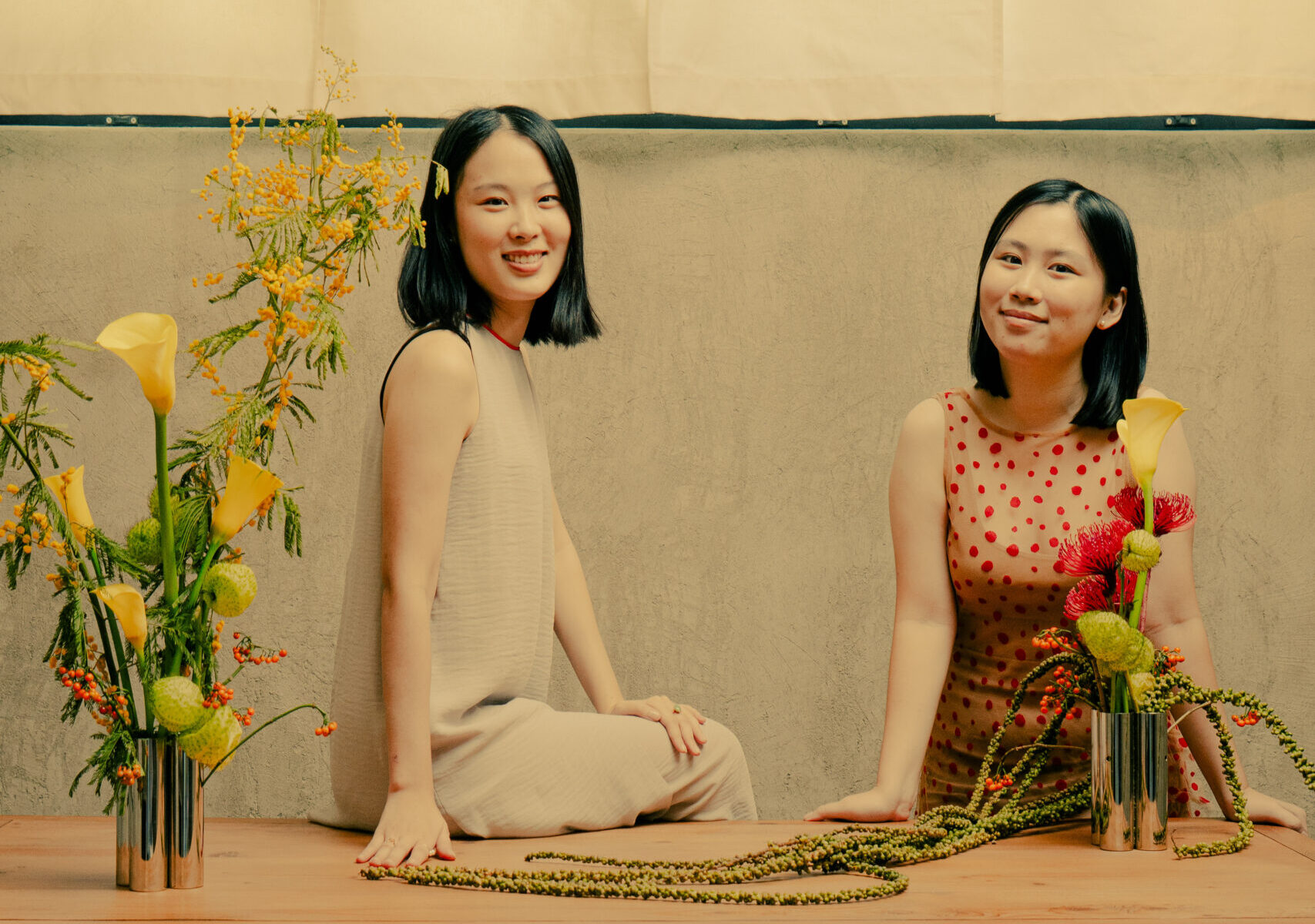
How flowers express love
The world according to video creator MV Isip
Micaela Benedicto’s language of silence in sound, sculpture, and space
Atty. Dino Laurel Imperial: Makati City’s progress should not come at the expense of its citizens
10 women in F&B and their commitments to empowerment
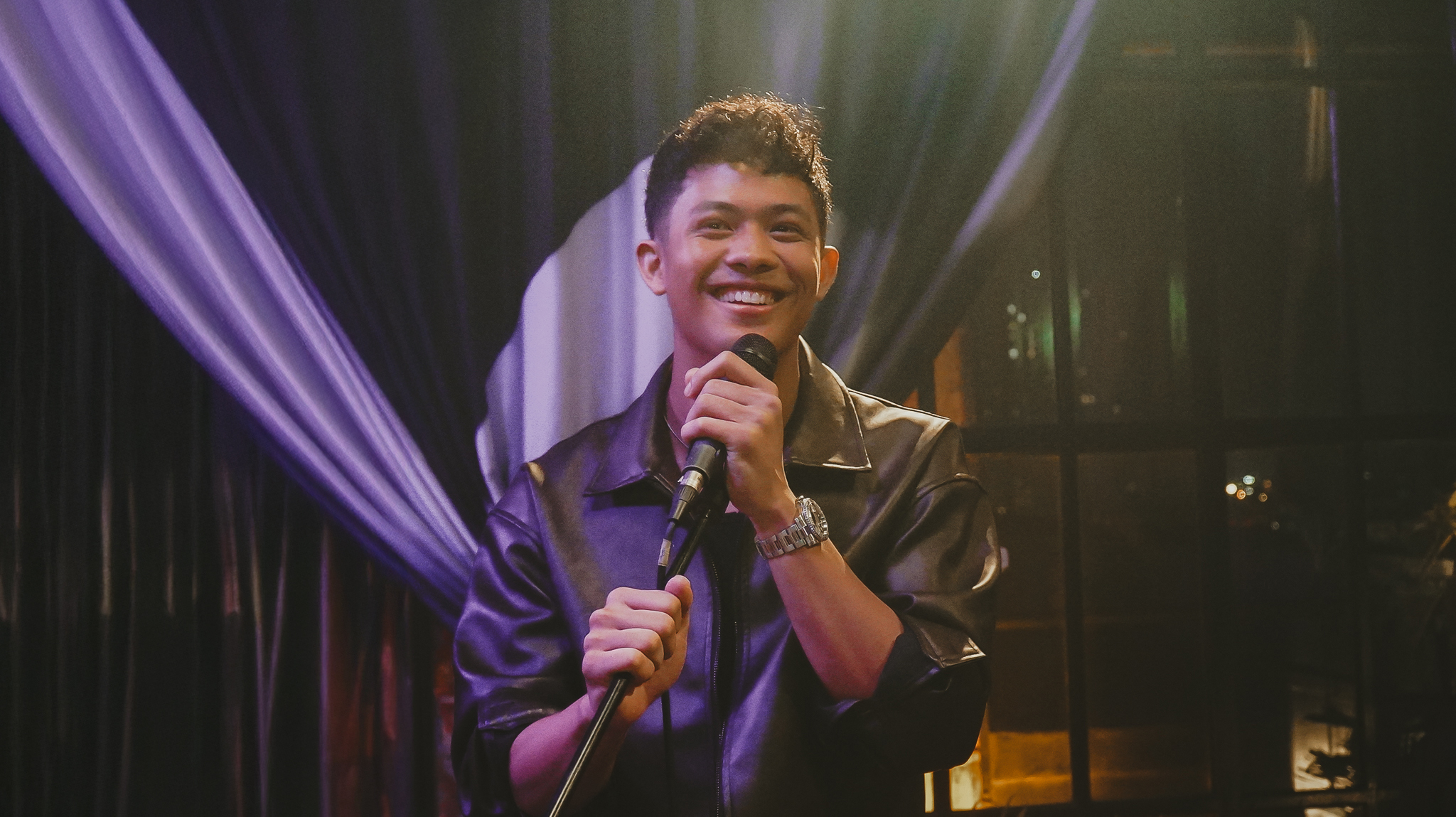
Get to know Benj Pangilinan, the singer-songwriter behind ‘Alinlangan’
Previous
Next
FASHION
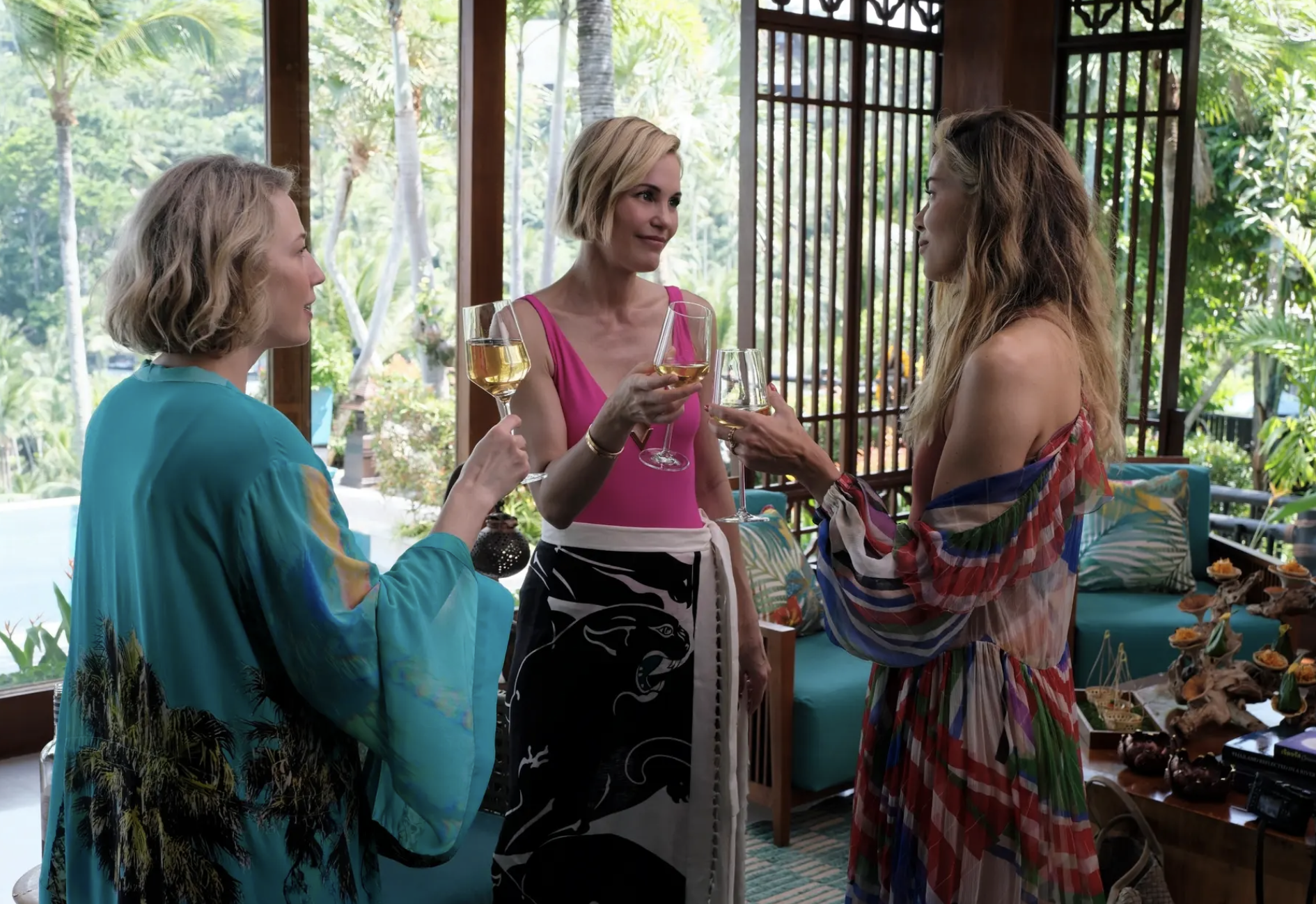
Channel ‘The White Lotus’ fashion for your ultimate summer wardrobe
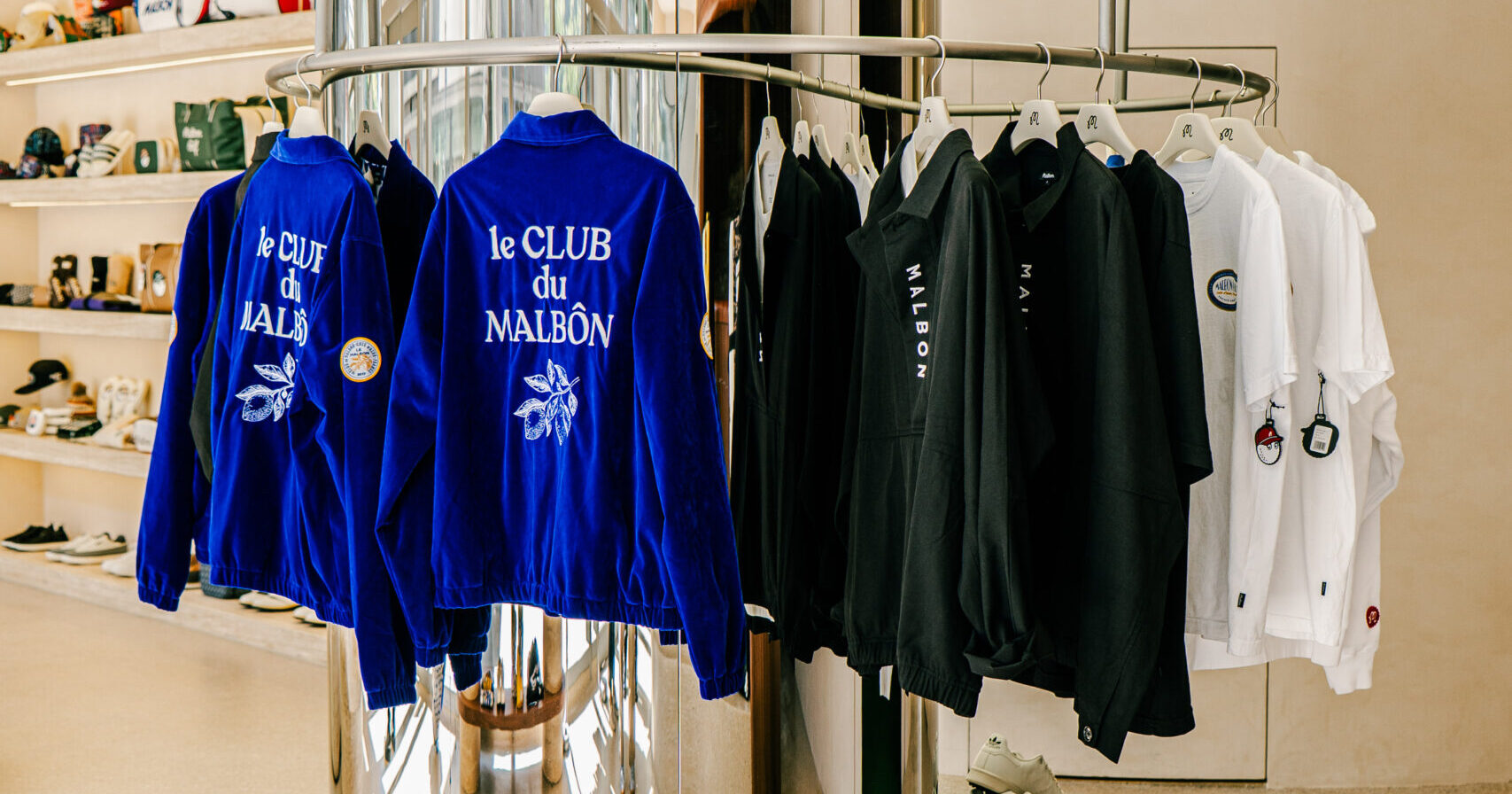
How the Malbons’ love for golf sparked a global lifestyle brand
The ’70s watch revival: 10 retro-inspired timepieces to know
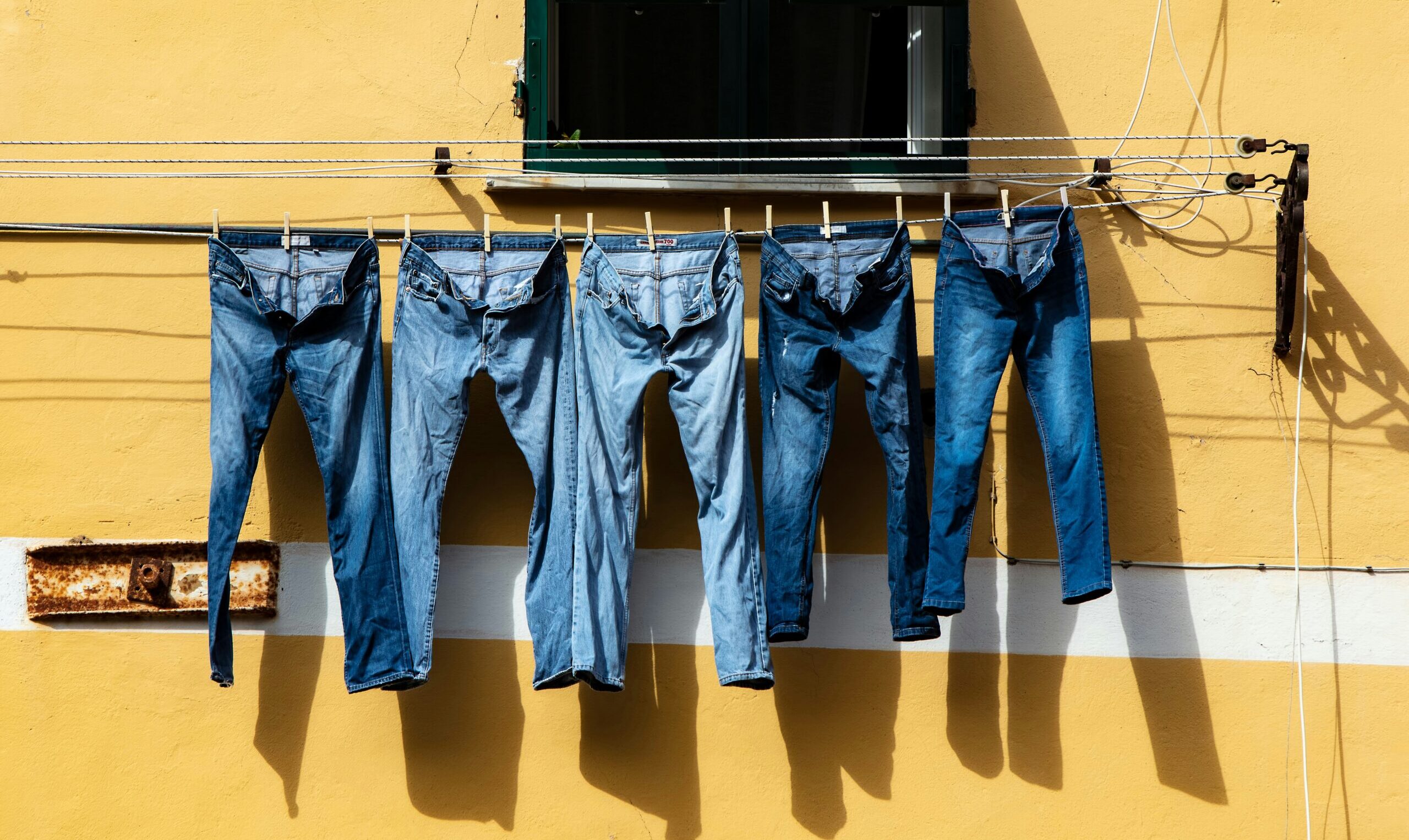
Denim styles to incorporate into your summer wardrobe
What the rise of Filipinos at major fashion weeks means for the local style scene
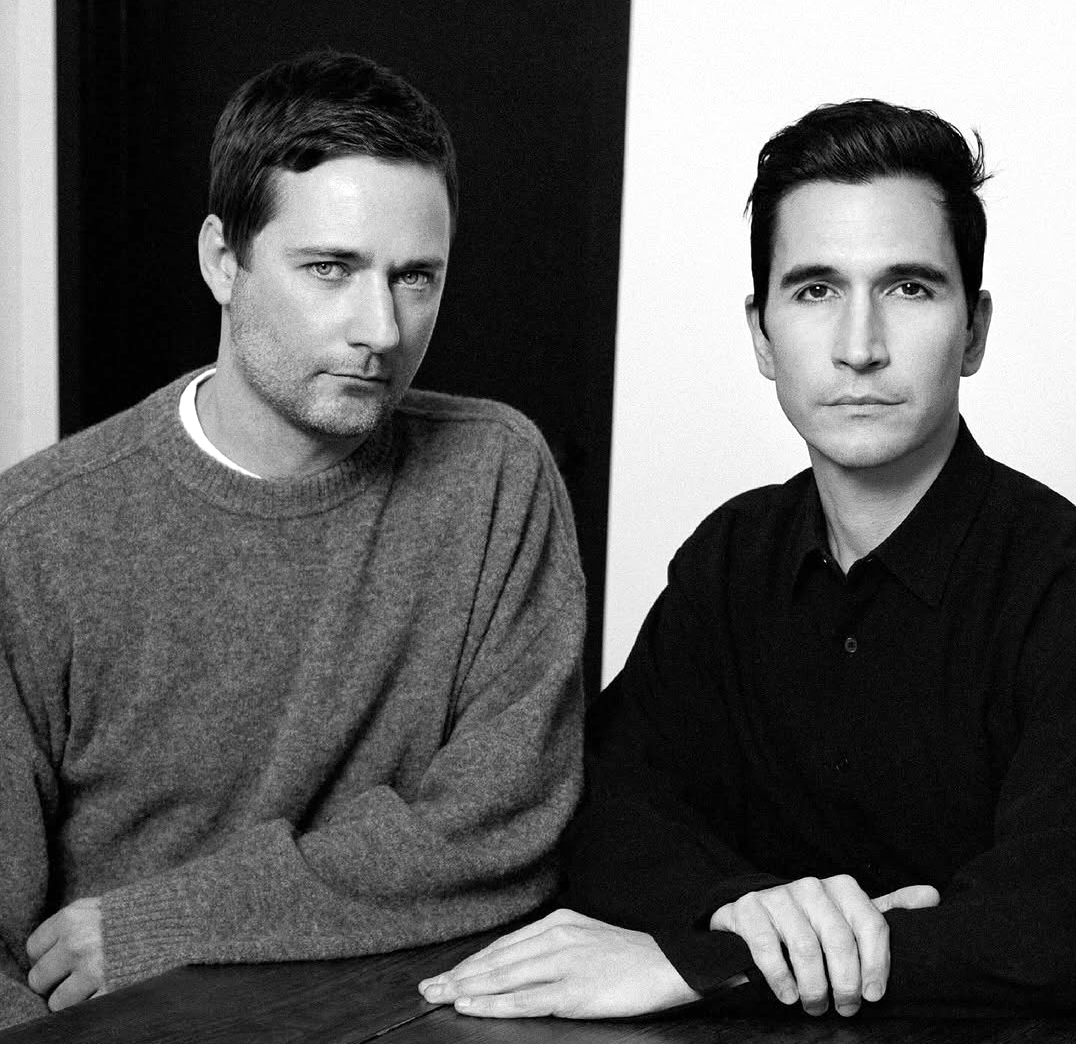
Proenza Schouler founders to take over at Spanish fashion brand Loewe
Previous
Next
BEAUTY
Game, set, glow: Beauty must-haves for your tennis bag
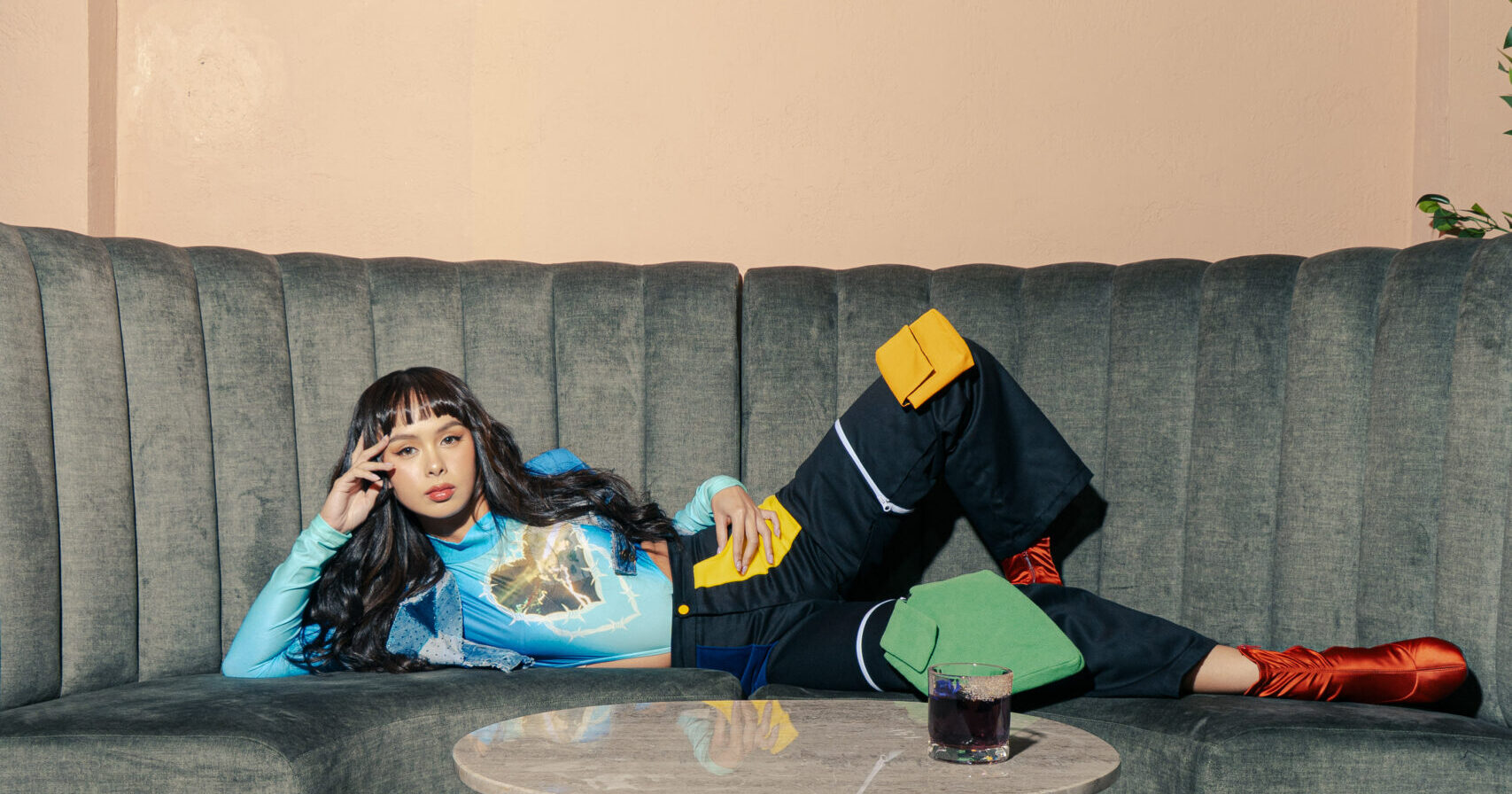
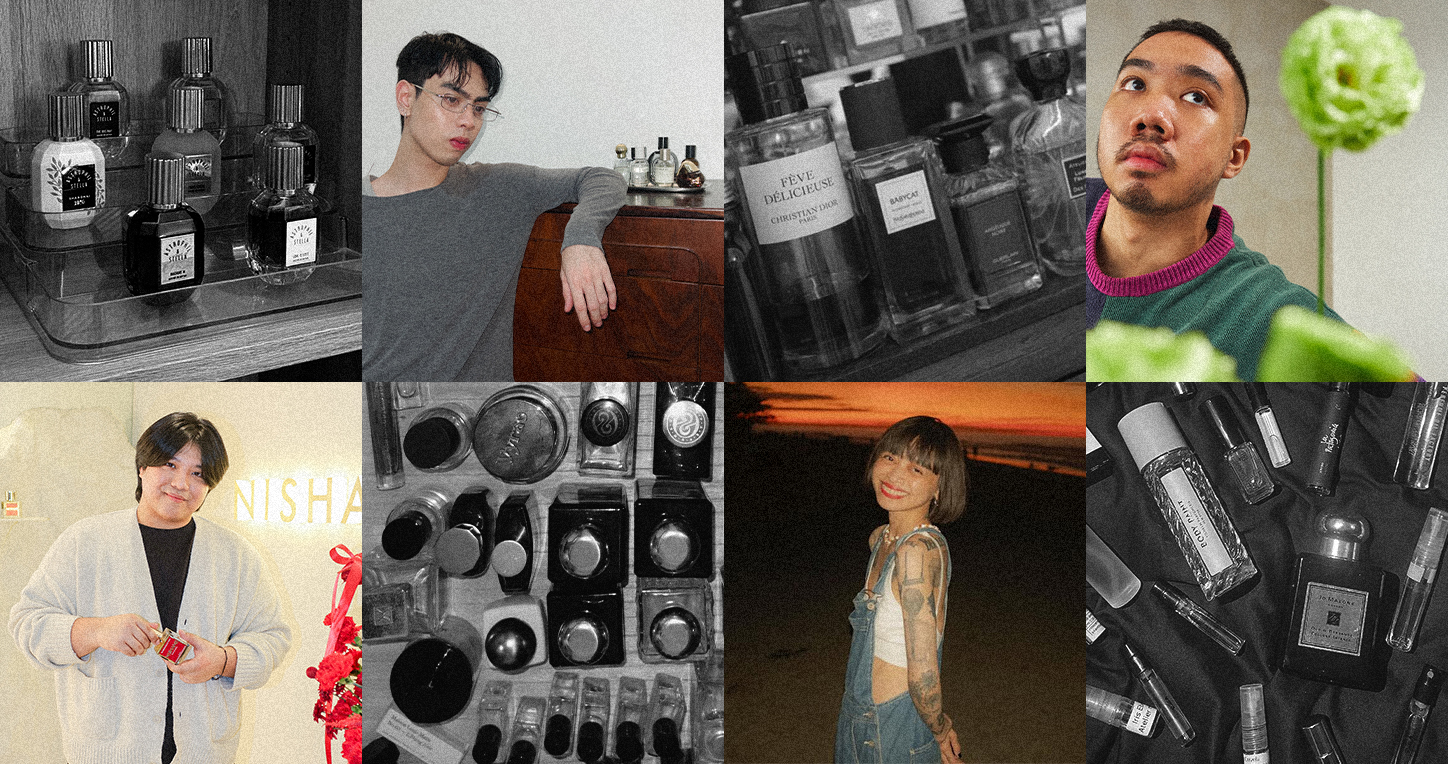
Take a peek at these creatives’ perfume collections
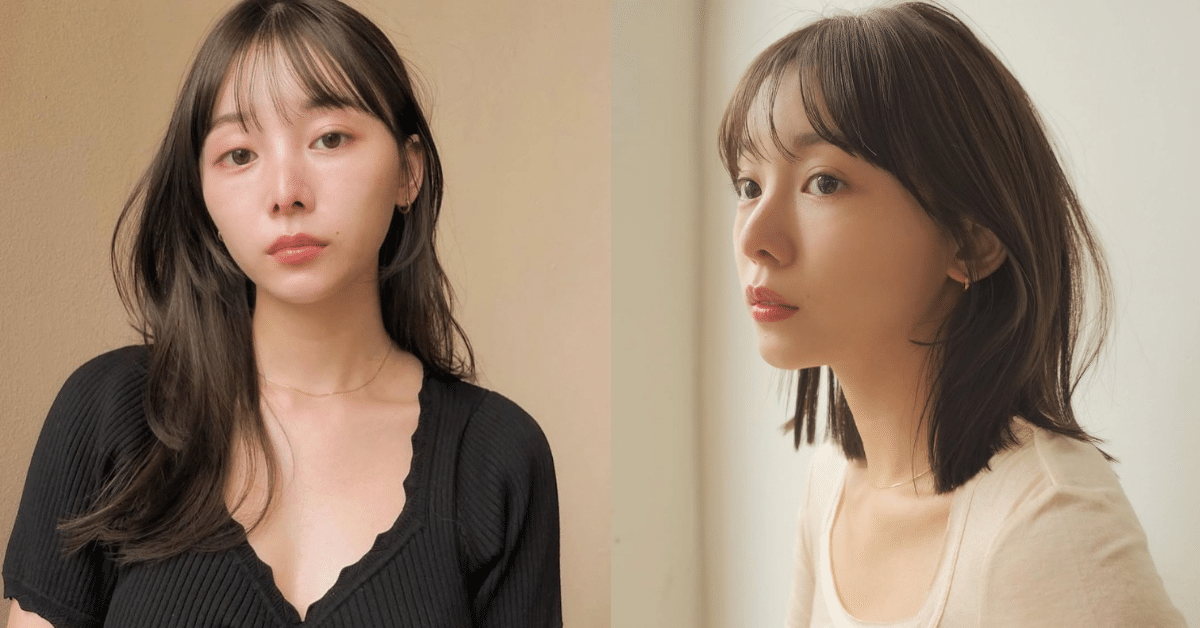
2025 hair trends are breaking free and going bold
Miss Universe Queens Catriona Gray, Michelle Dee, and Celeste Cortesi open up about liposuction journey
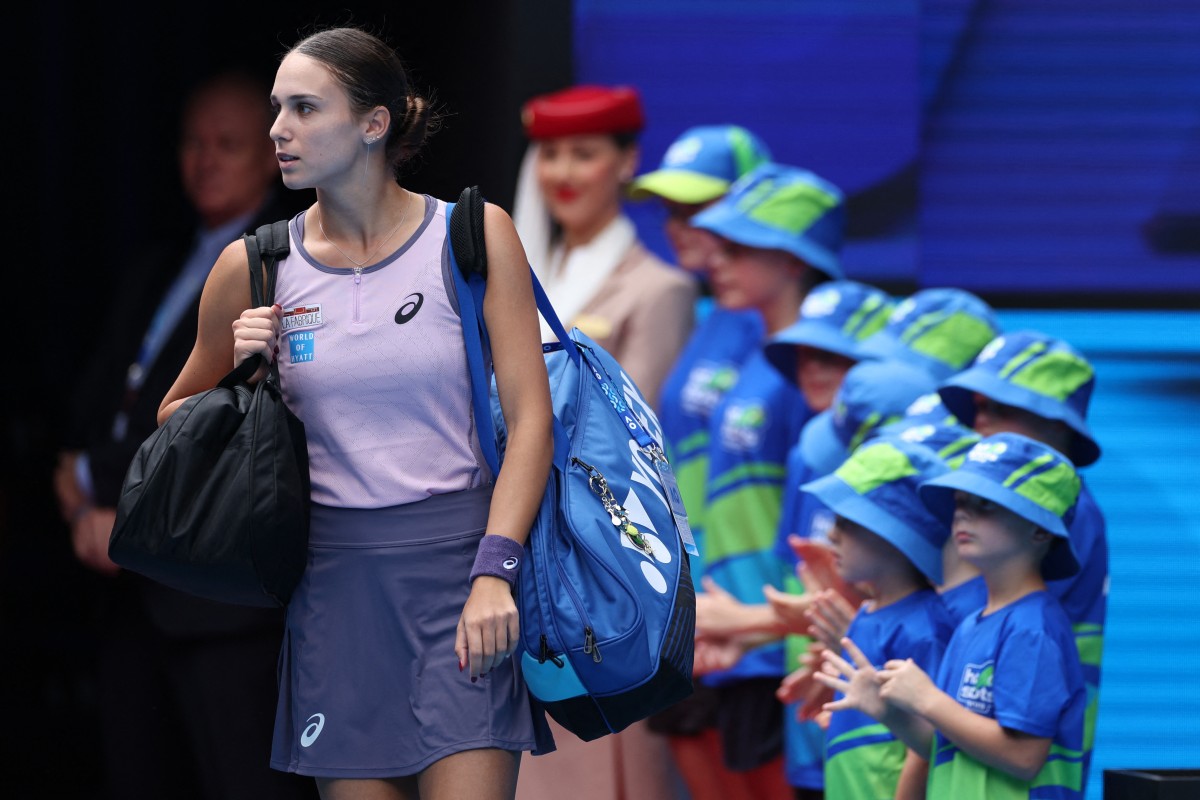
Australian Open 2025: Jewelry and watch pieces that stole the spotlight
The beauty upgrade you deserve: 7 beauty gadgets for your self-care routine
Previous
Next
ART
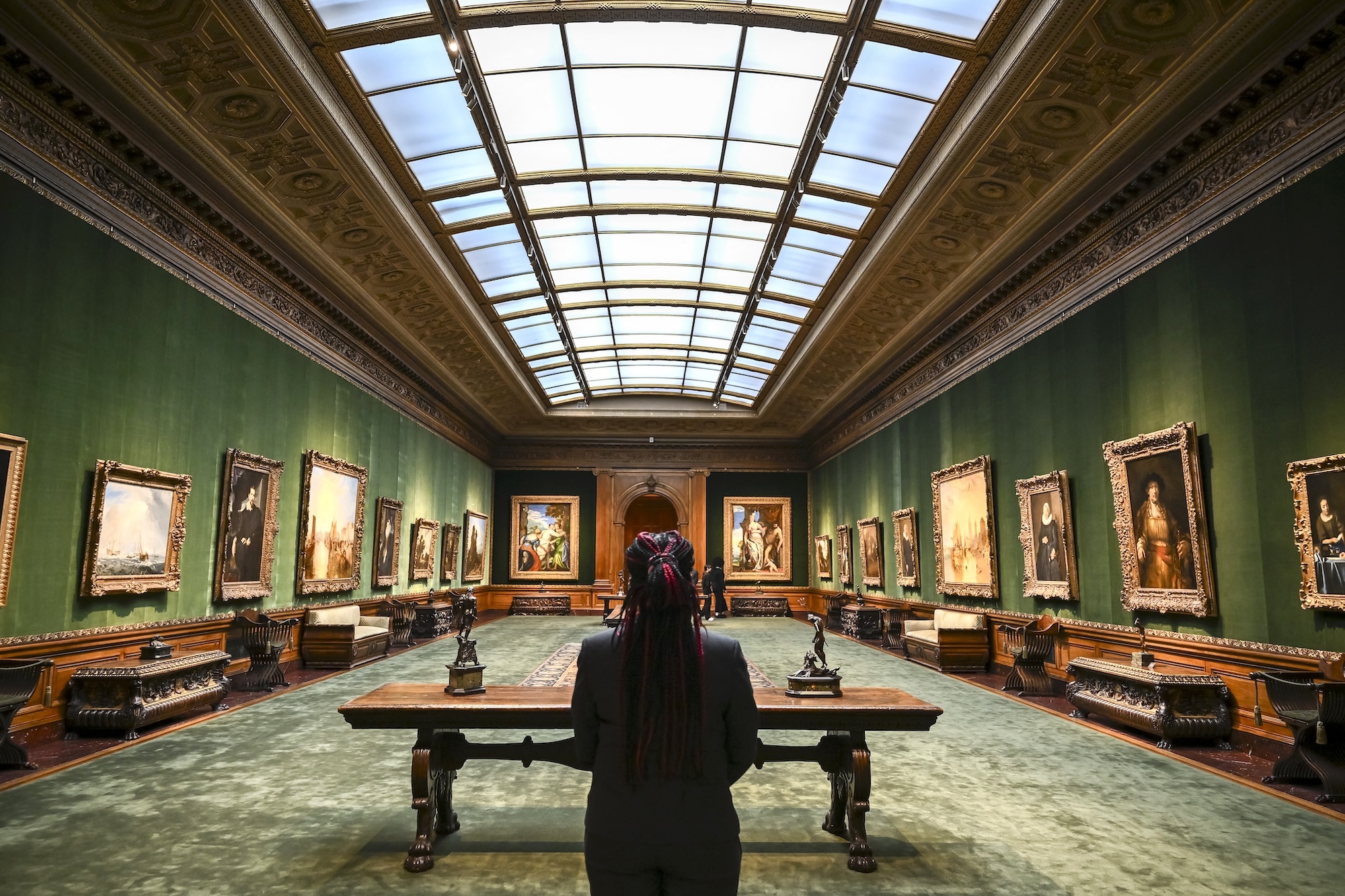
‘So unique’: Frick Collection set to reopen in New York
PH art 2025 cheat sheet: Who to watch out for, global potential, and more
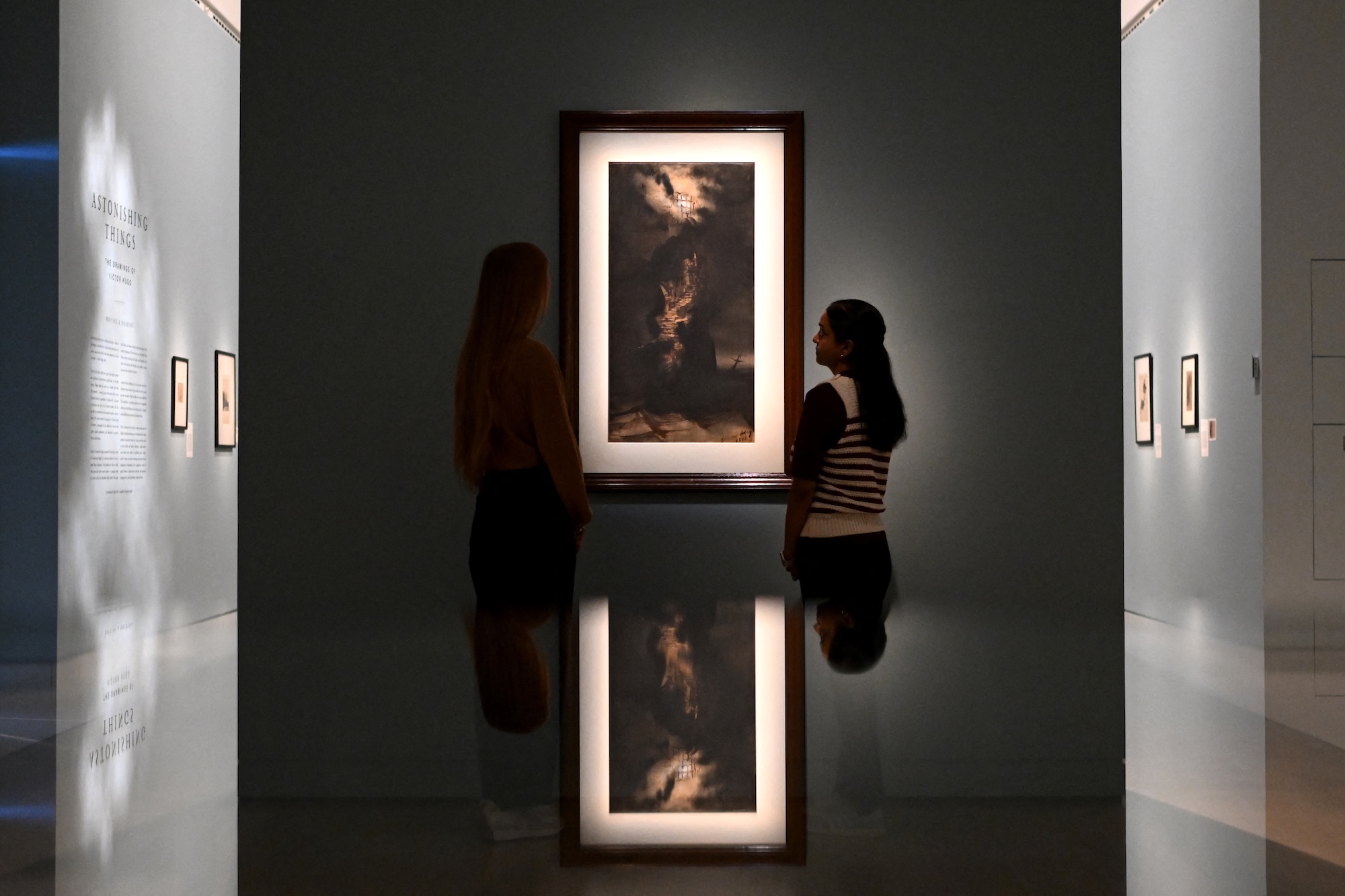
London exhibit spotlights Victor Hugo’s lesser-known talent—drawing
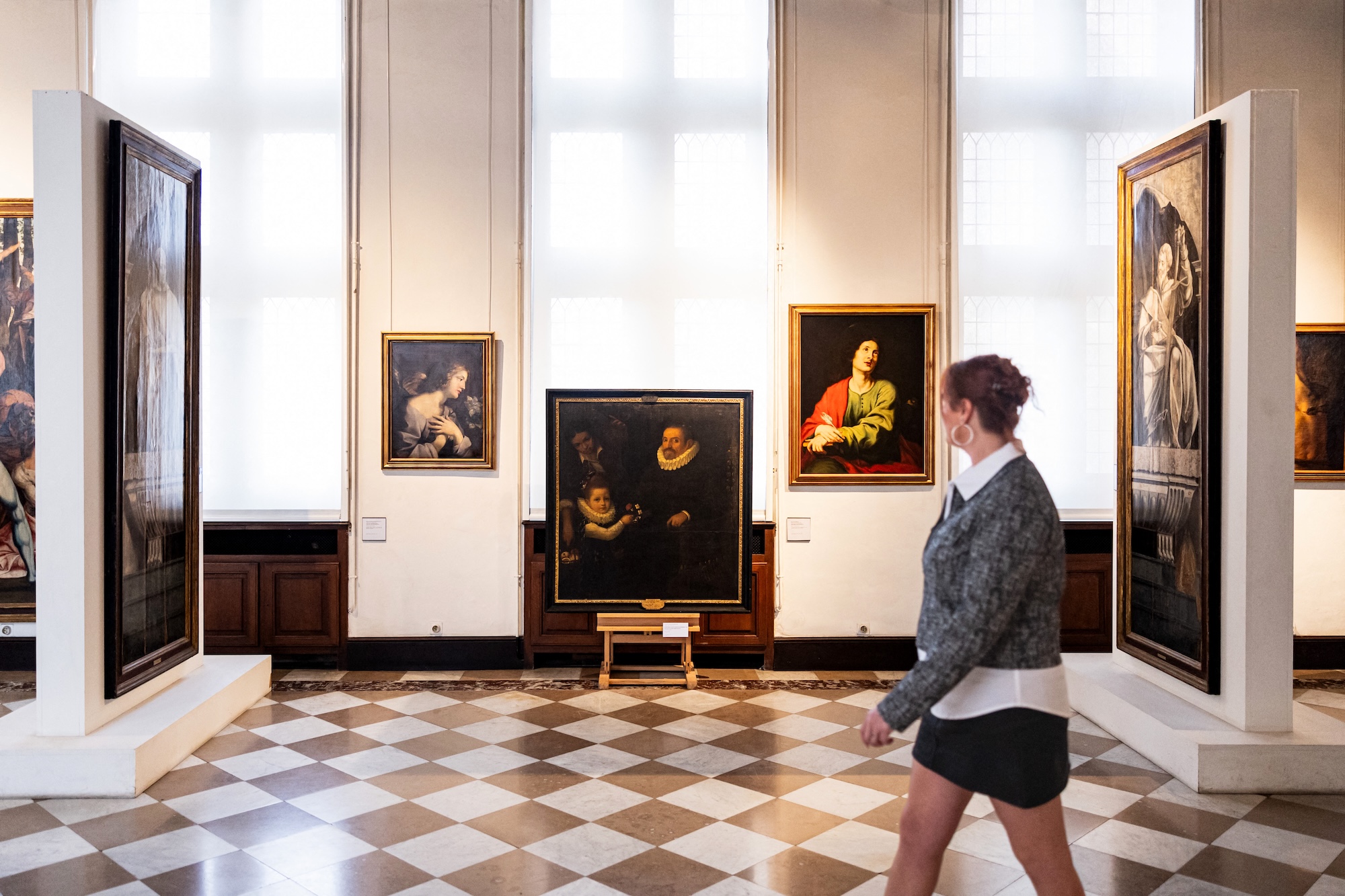
French museum uncovers in storage picture by Renaissance woman master
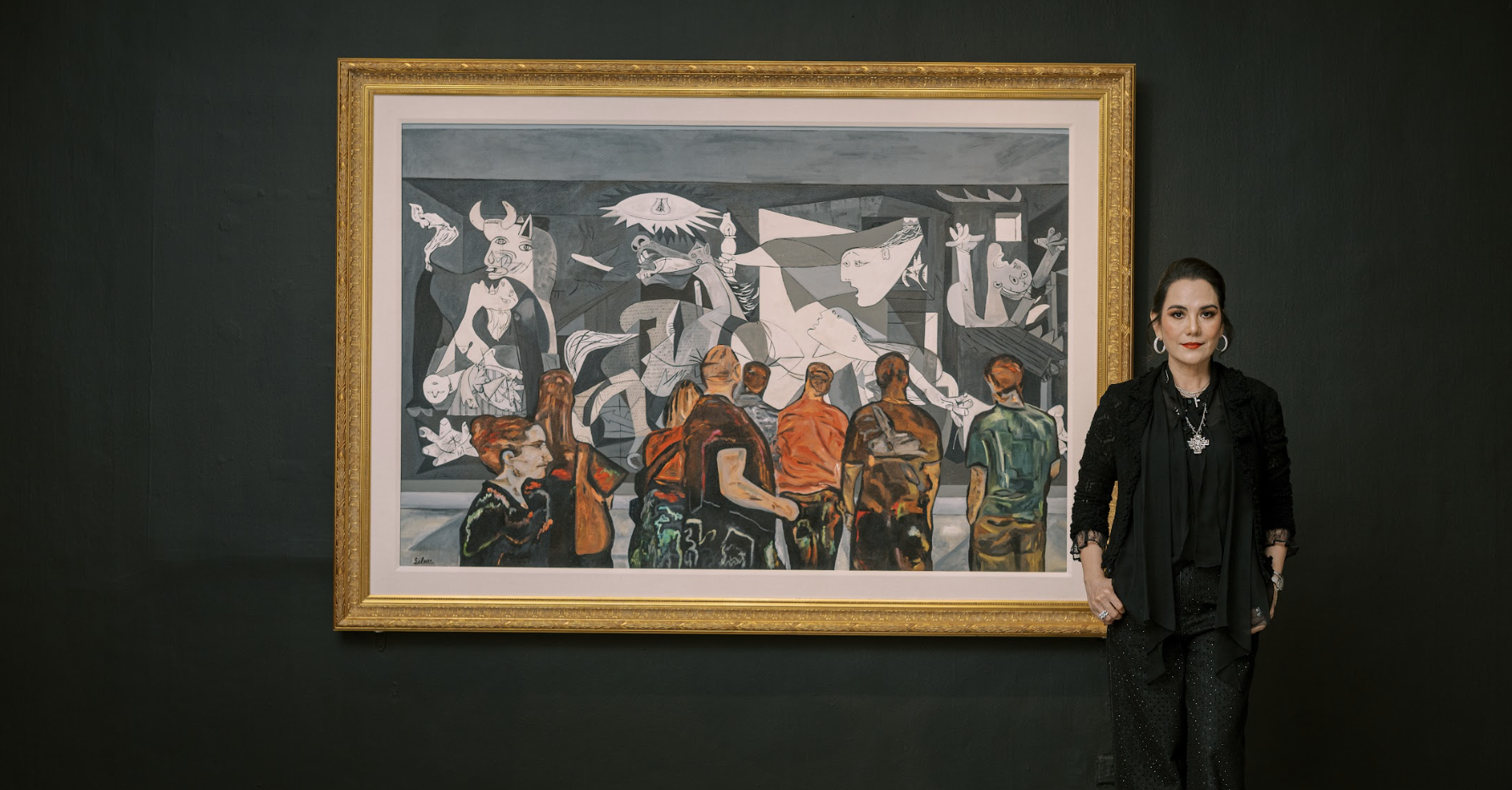
Artist Sal Ponce-Enrile transforms tremors into triumph
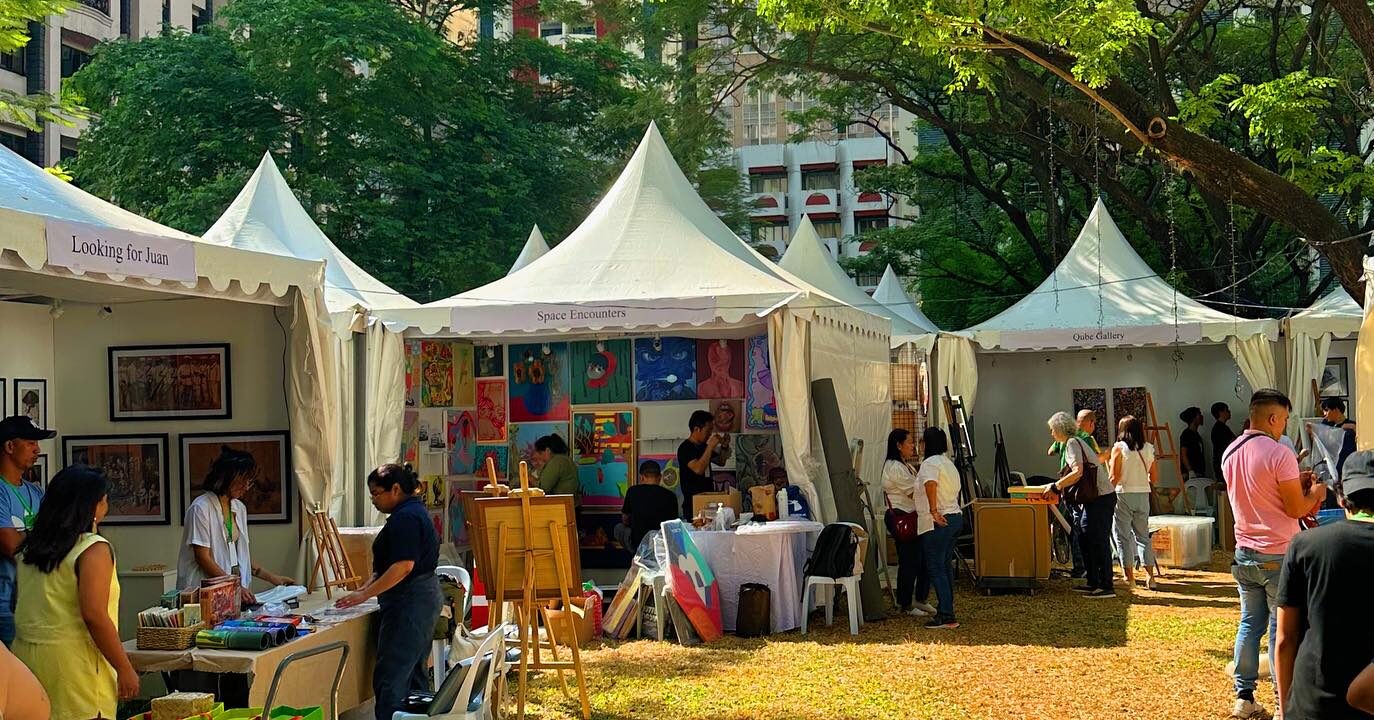
Art, advocacy, and accessibility: Art in the Park returns for its 19th year
Previous
Next
DESIGN
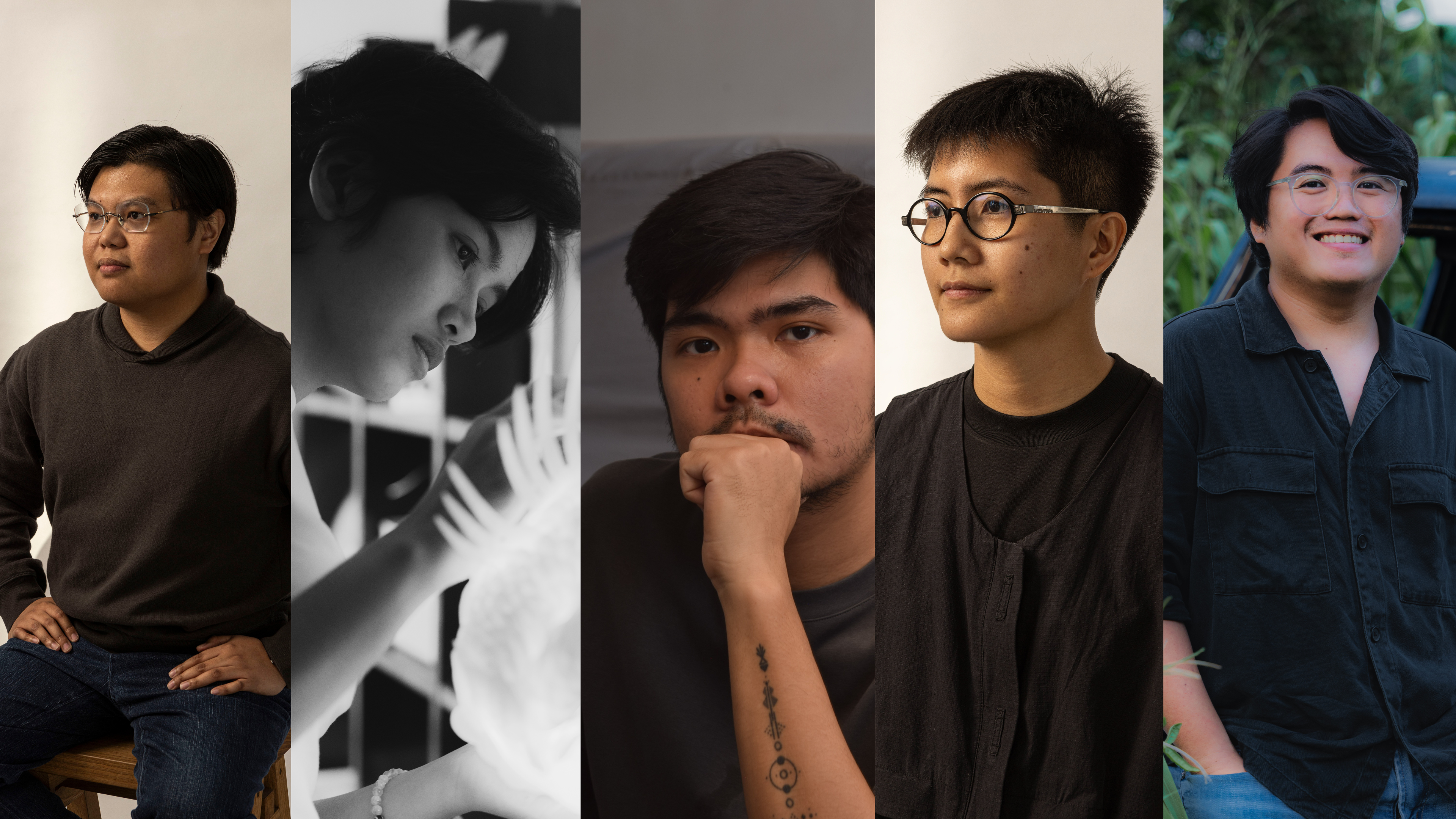
5 young Filipino designers reshaping the story of furniture and home decor
Micaela Benedicto’s language of silence in sound, sculpture, and space
Barcelona basilica narrows down search for artist to design facade
Jaguar looks to woo younger, richer drivers with $160,000 Type 00
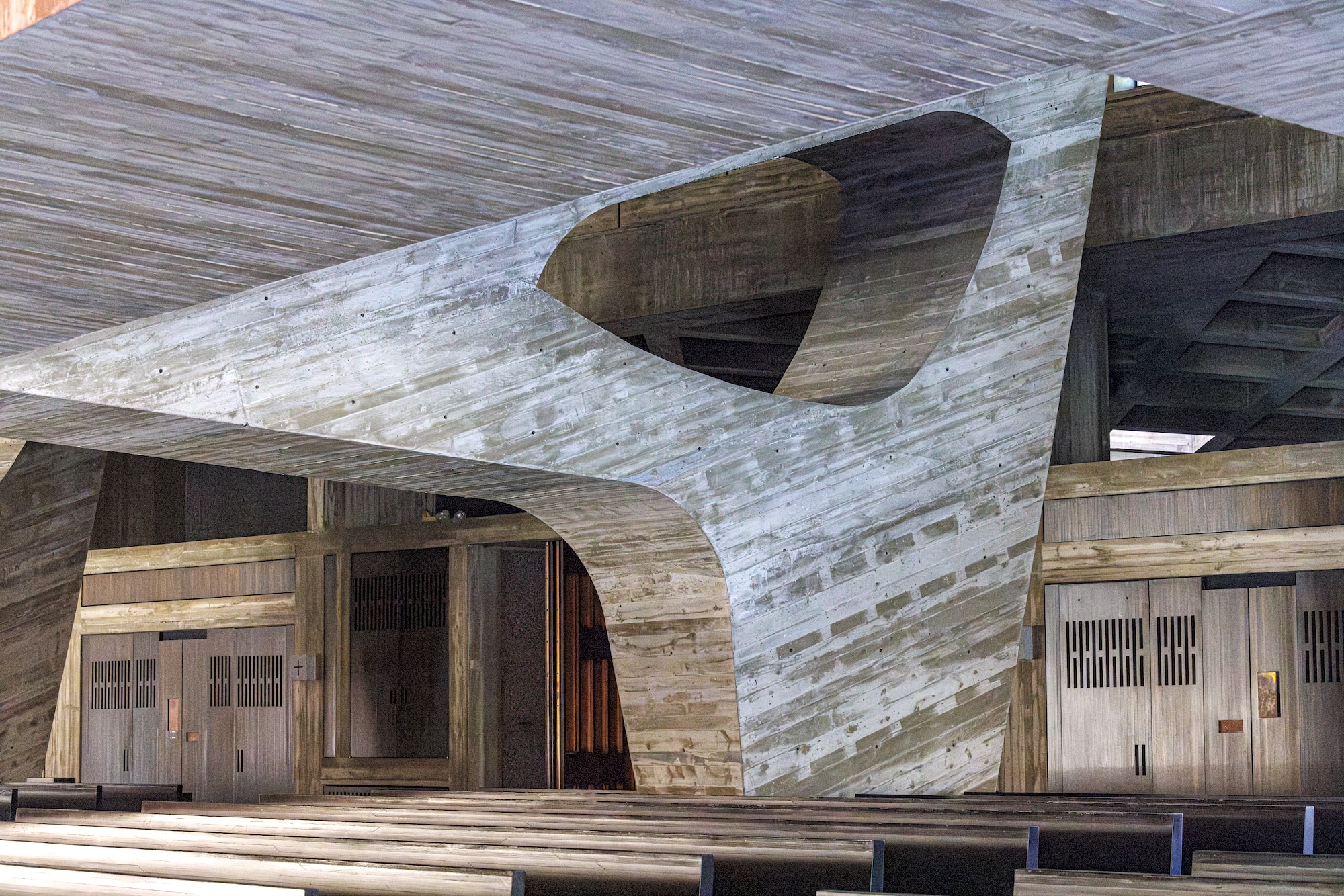
What is Brutalism? And why do architects hate ‘The Brutalist’?
Depoliticized and biodiverse: A closer look at the new peso bill designs
Previous
Next
FEATURED VIDEO
In His Element: Kaloy Sanchez lets us into his artistic space
BY SOPHIA YSABEL CONCORDIA
CULTURE
Women characters in theater we admire
BY
Pauline Miranda
What you can and can’t do to the PH flag
BY
Carl Martin Agustin
The must-haves to be the hostess with the mostest
BY
Colleen Cosme
TRAVEL
Set sail for Kure: Hiroshima’s historic naval hub and gateway to Japan’s Inland Sea
BY
Paul Walsh for Jiji Press
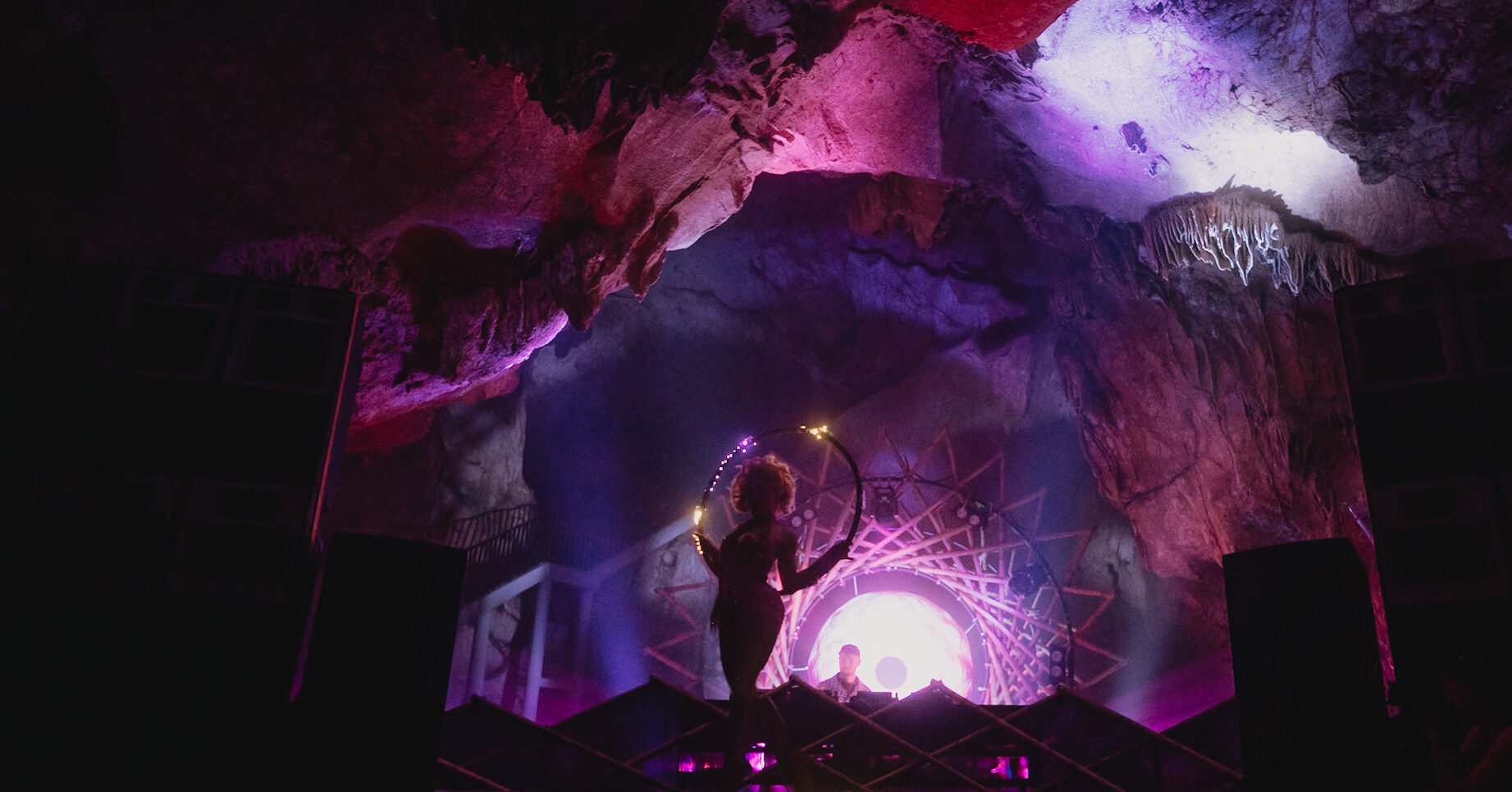
Electronic music meets nature in this otherworldly festival set in a cave
BY
Lala Singian
Essential travel must-haves for an effortless vacation
BY
Colleen Cosme
FOOD
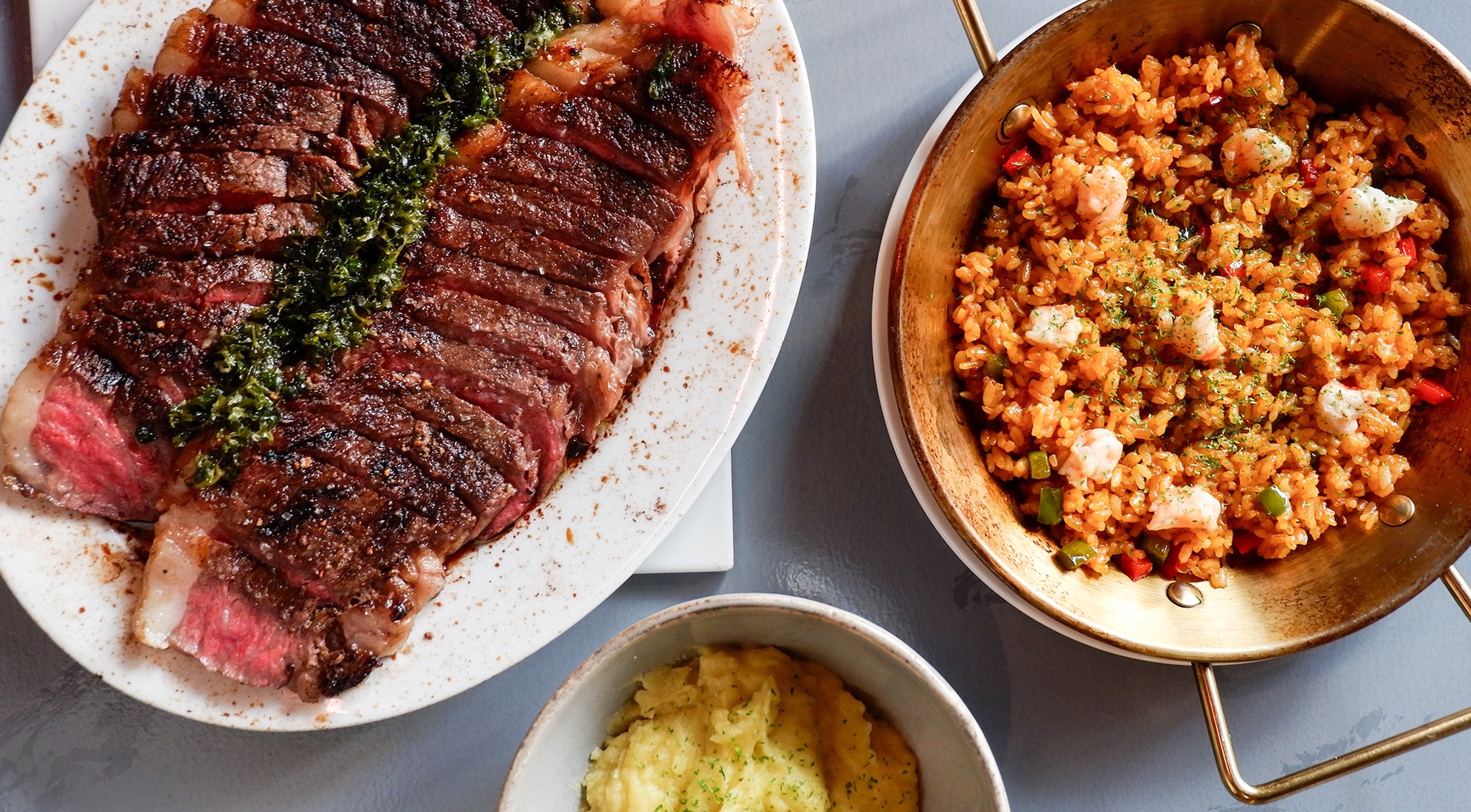
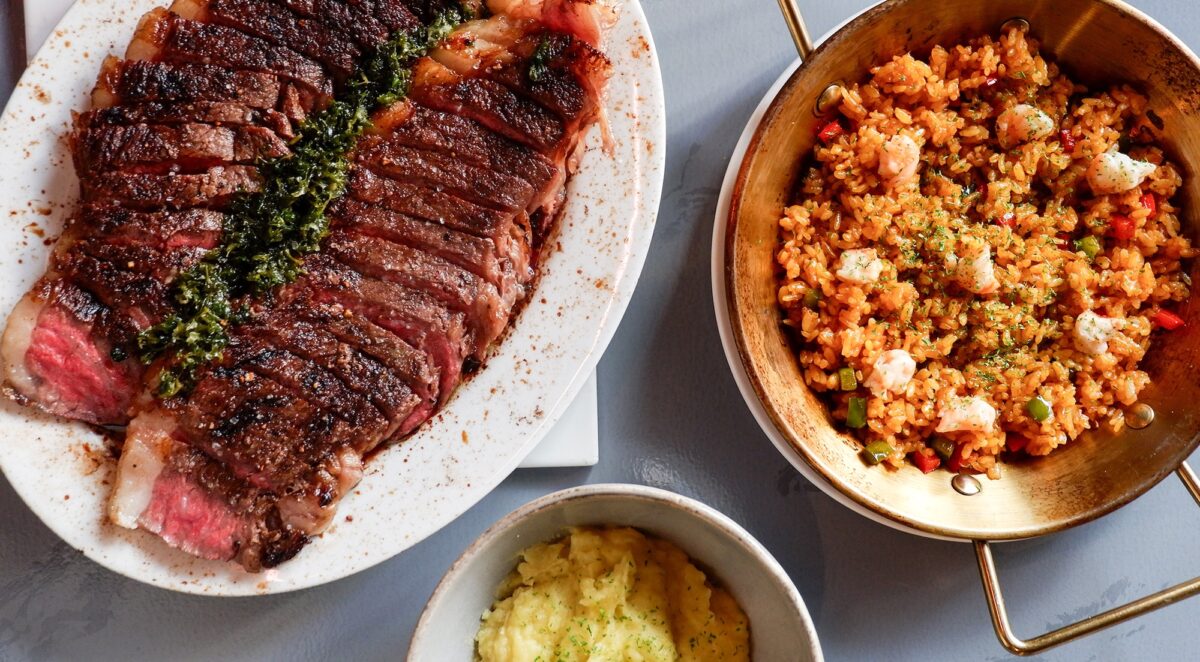
At Le Feu Steak House, Kevin Villarica reunites with an old flame
BY
Eric Nicole Salta
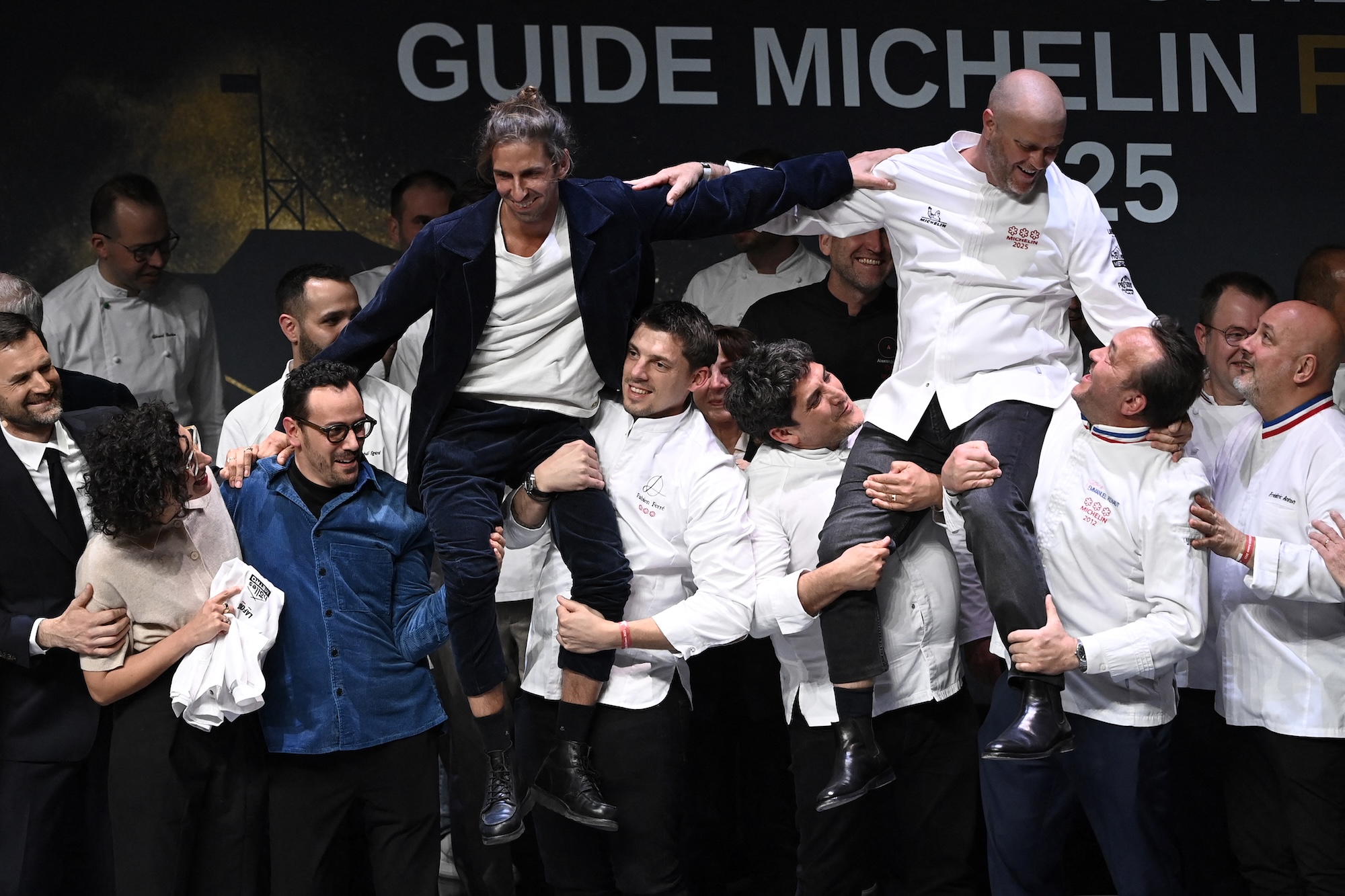
Michelin Guide unveils new stars for 68 restaurants in France
BY
Adam Plowright
French chefs on edge as Michelin prepares new guide
BY
Marine Do-Vale and Adam Plowright
HUMAN INTEREST
Pride of place: Bulacan’s living, handmade gems
BY
Paolo Vergara
Lights, camera, canonization: These sacred stories on film might just lift your spirits
BY
Lala Singian
Family dynamics and Philippine politics
BY
Carl Lorenz Cervantes
entertainment
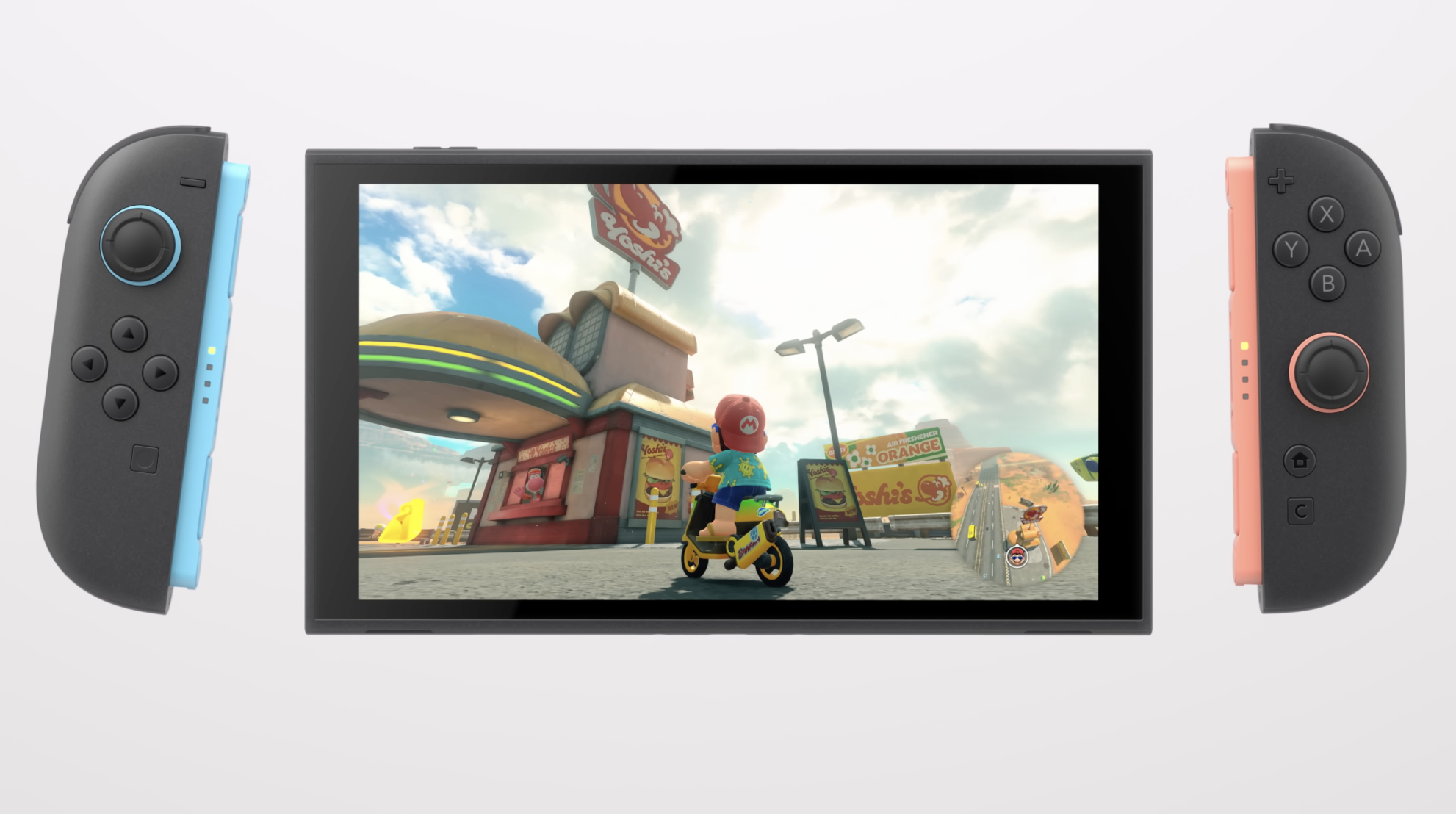
Nintendo is ruining the Switch 2’s (almost) perfect launch
BY
Carl Martin Agustin
The ‘Freaky Friday’ sequel trailer is out—here’s what we know so far
BY
Lala Singian
What is the Sydney Sweeney Reddit-inspired film about?
BY
Carl Martin Agustin
health and wellness
Yes, walking is good for your health. But here’s how to make it better
BY
Pauline Miranda
When doing nothing means everything
BY
Inday Tsuki
This is a non-negotiable: You need fitness in your life right now
BY
Mitch Felipe Mendoza
INQUIRER RED
RED August - September 2022
Insert some text here to add to the space?
VIEW MAGAZINE
FROM THE NICHE TITLES
F&B REPORT
Chef Josh Boutwood explores culinary creativity and curiosity with IQOS
BY JAR CONCENGCO
MULTISPORT
Federal Land hosts successful Meadowcrest Backyard Adventure Run in Biñan
BY JAR CONCENGCO
NOLI SOLI
Love the Philippines even more and discover its wonders ‘Juan by Juan’ with Cebu Pacific
BY JAR CONCENGCO
PREEN
These night serums are your new solutions for radiant, glowing skin
BY JAR CONCENGCO
SCOUT
So you want to start your financially responsible era? Get started with digital banking with BDO Basic—here’s why
BY JAR CONCENGCO
F & B Report
At Le Feu Steak House, Kevin Villarica reunites with an old flame
LIFESTYLE.INQ Latest
Young Fil-Am basketball players help support athletes in need through outreach
CRAFT
Pride of place: Bulacan’s living, handmade gems
LIFESTYLE.INQ Human Interest
This balloon-popping dating game has to go
LIFESTYLE.INQ Entertainment
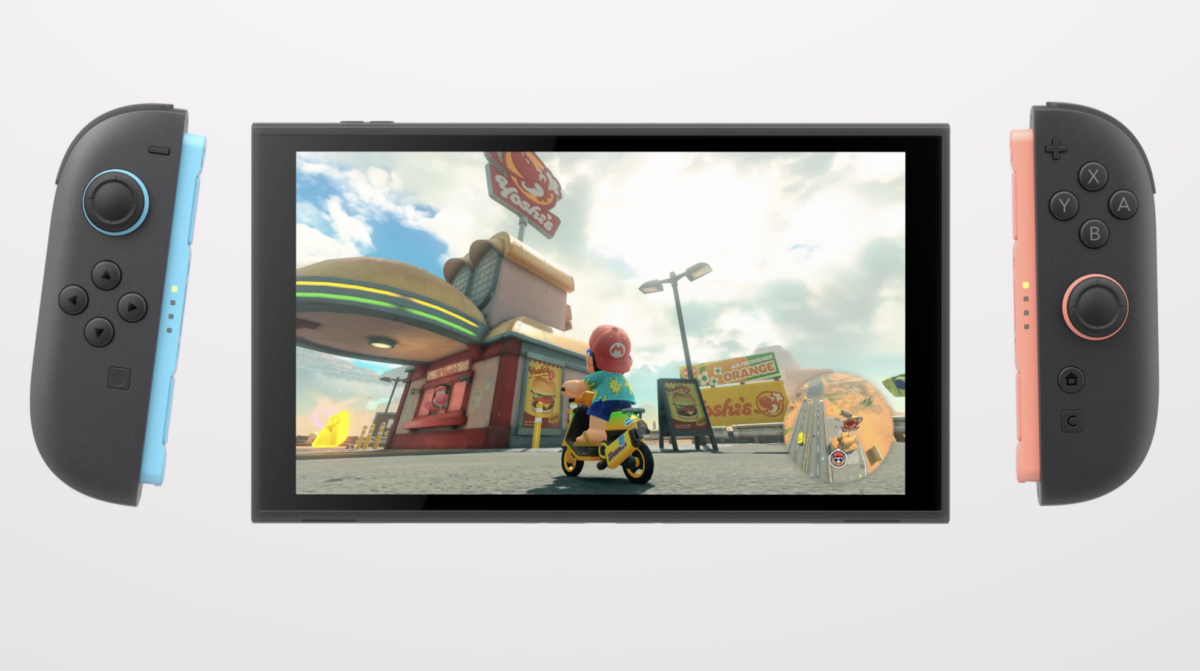
Nintendo is ruining the Switch 2’s (almost) perfect launch
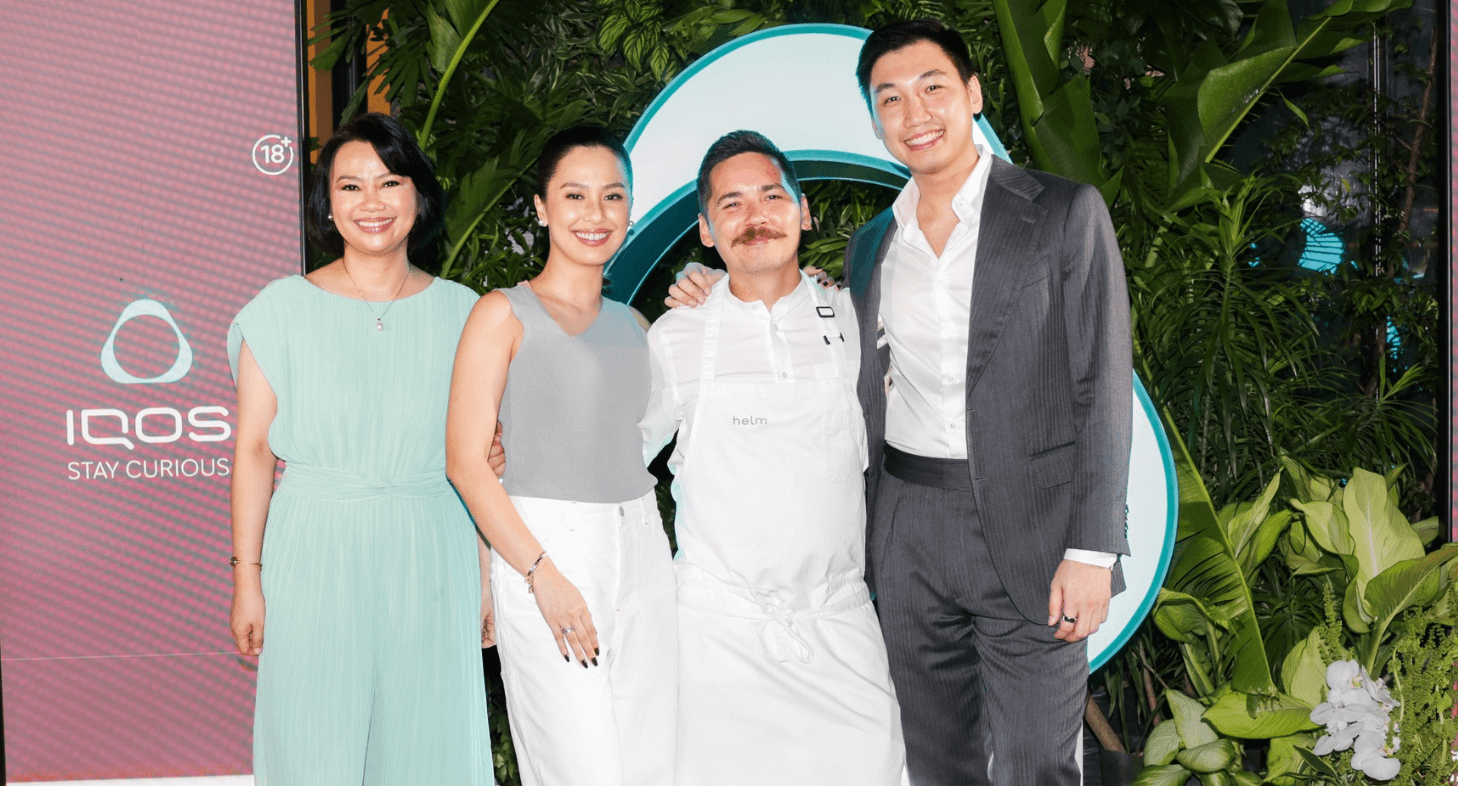
IQOS and Chef Josh Boutwood of HELM collab to reveal new TEREA variant Oasis Pearl
IQOS ‘Stay Curious’ launch event: An immersive night of curiosities and discovery
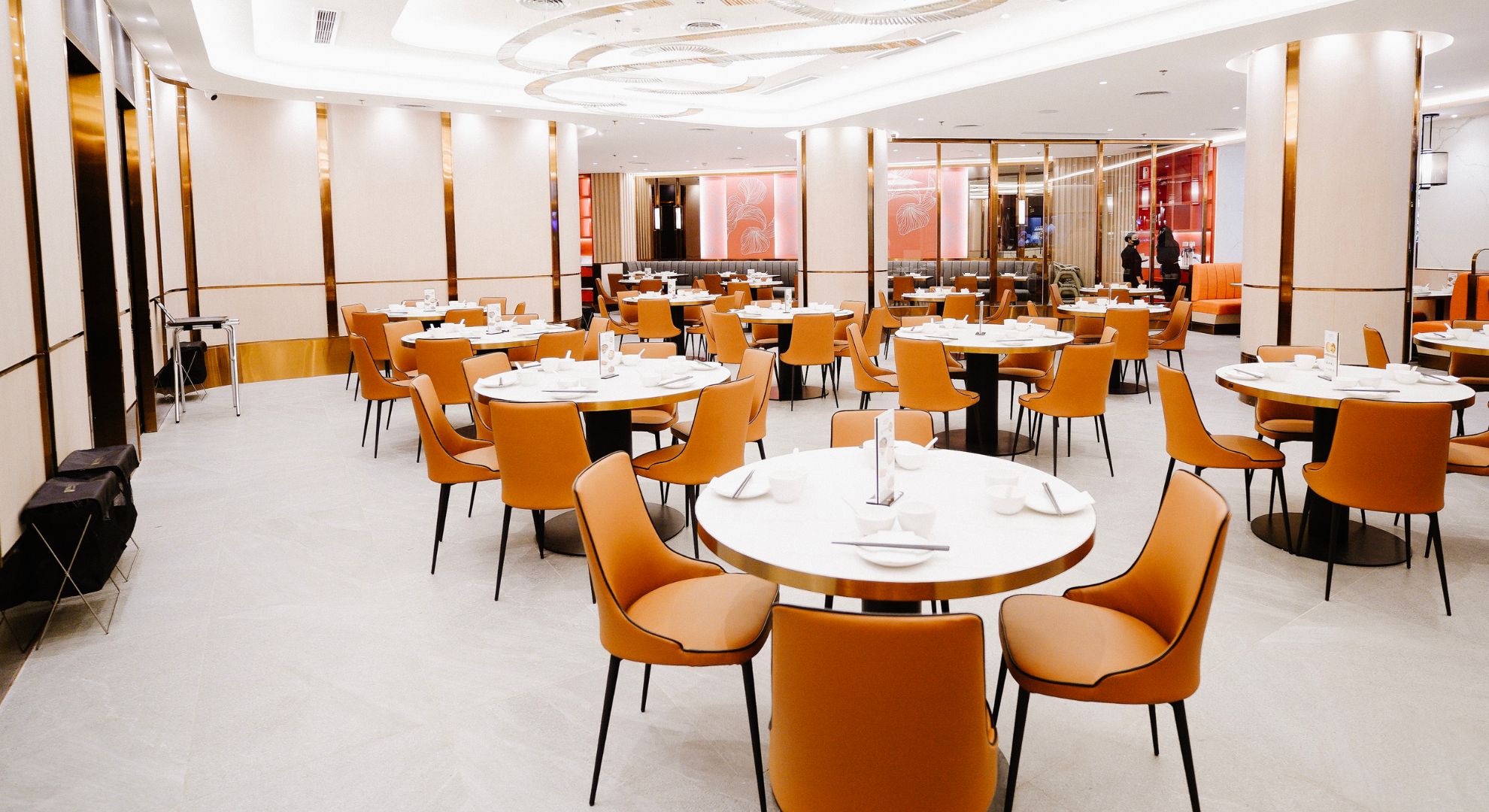
Paradise Dynasty opens new branch in Greenbelt 5, offers new flavors
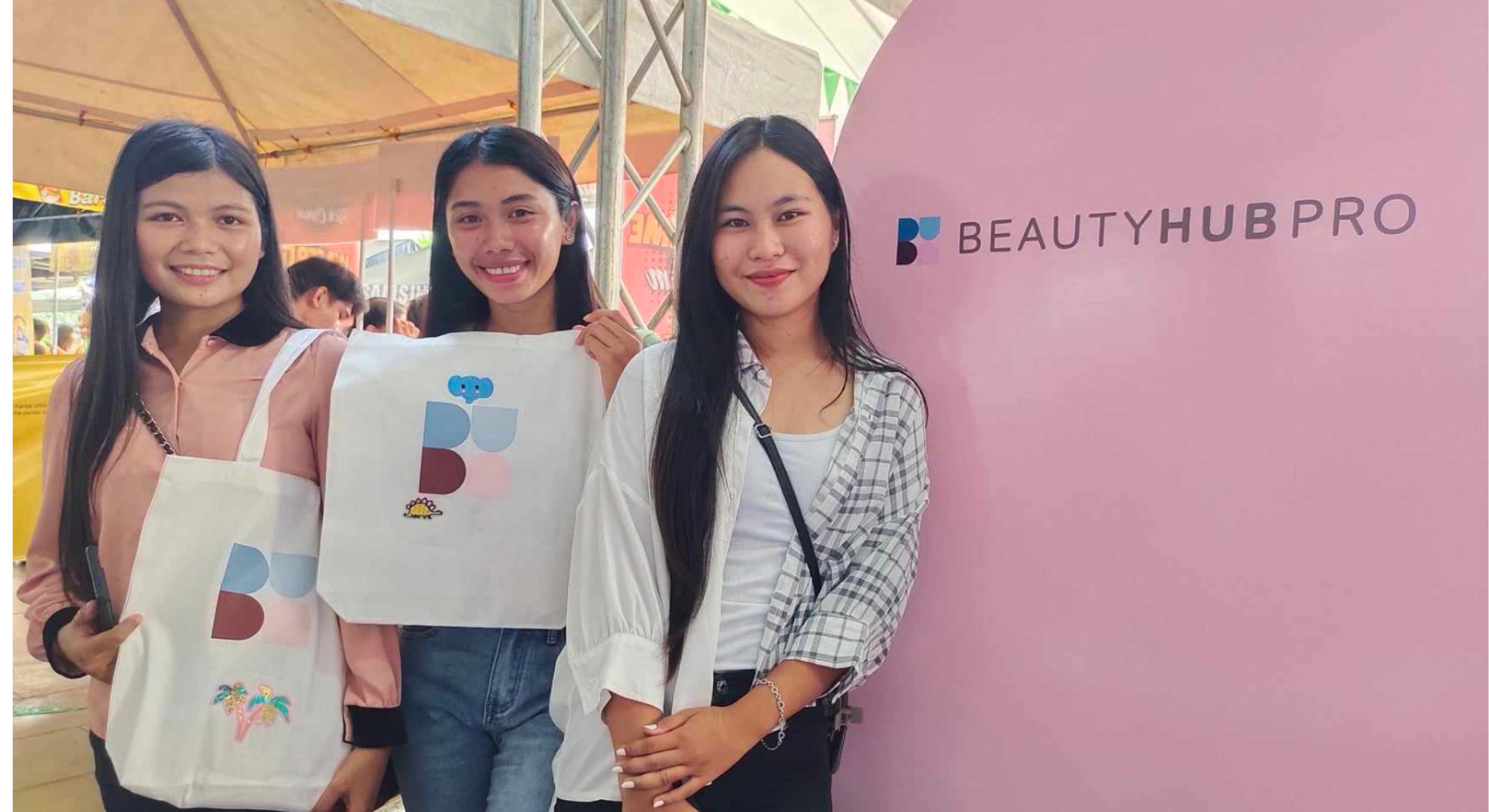
Kadayawan Festival goers’ pressing beauty concerns answered by BeautyHub PRO
10 signs your hair is more damaged than you thought
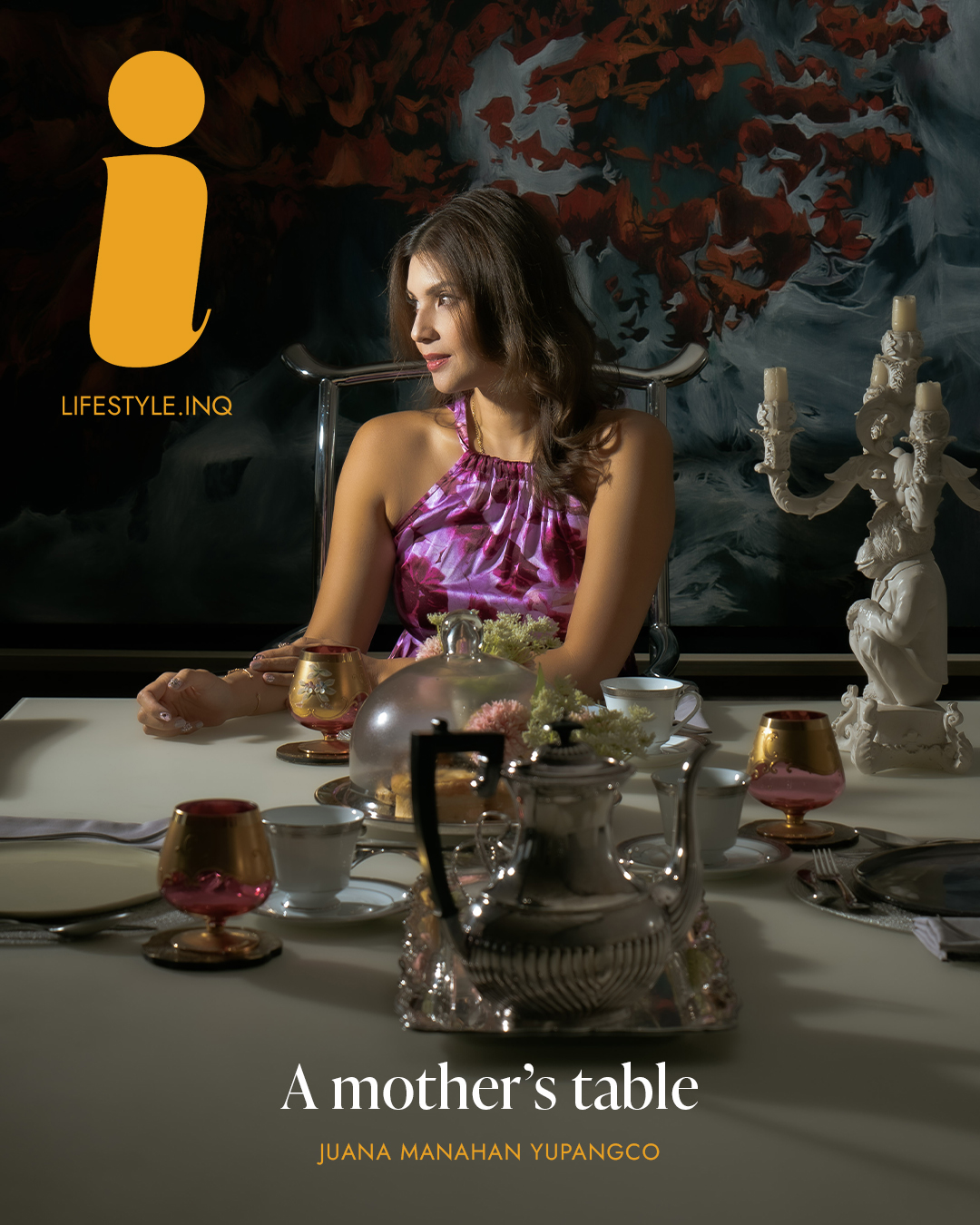
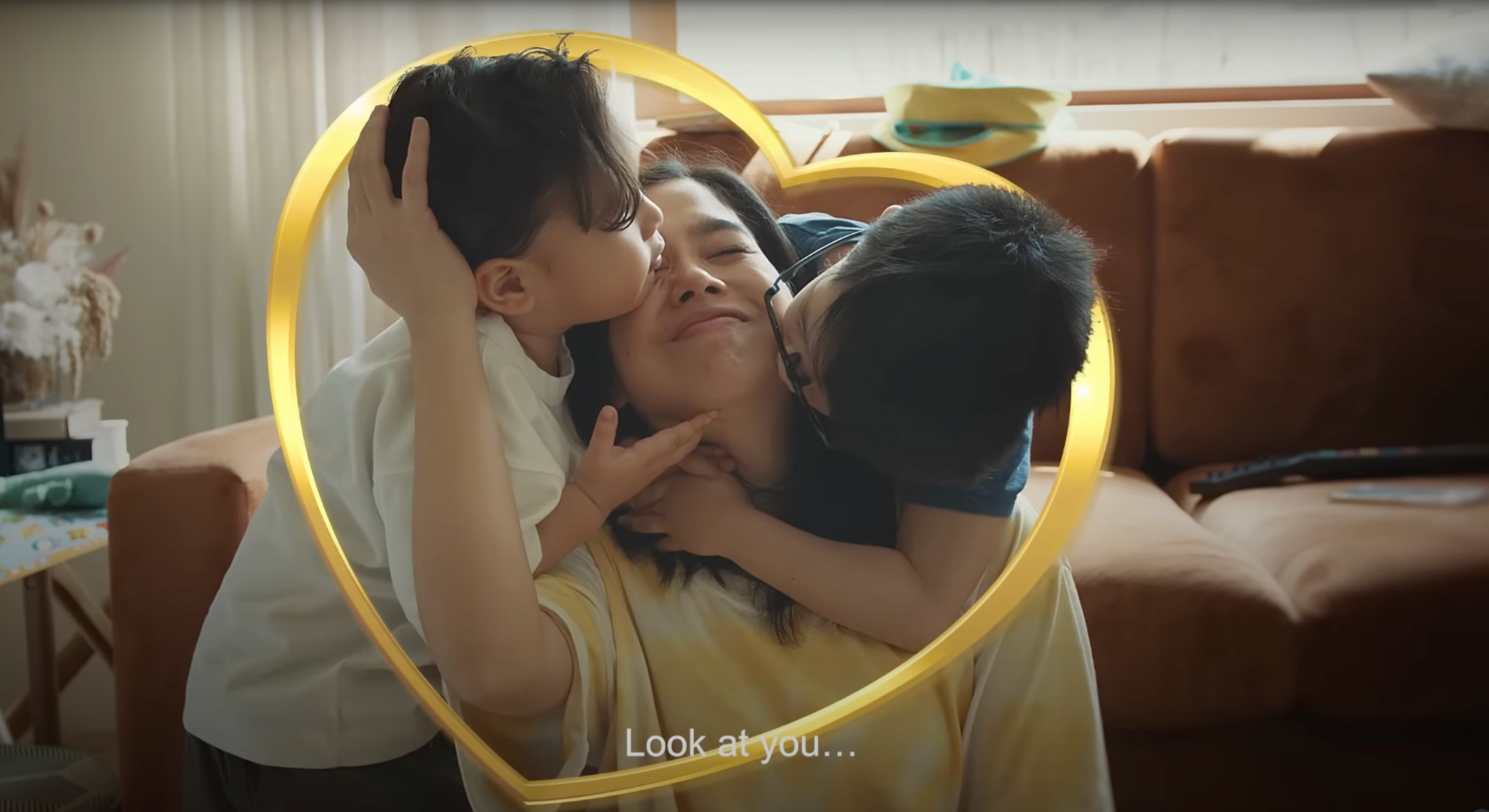
A mother’s unconditional love is an act that is beyond words
Previous
Next
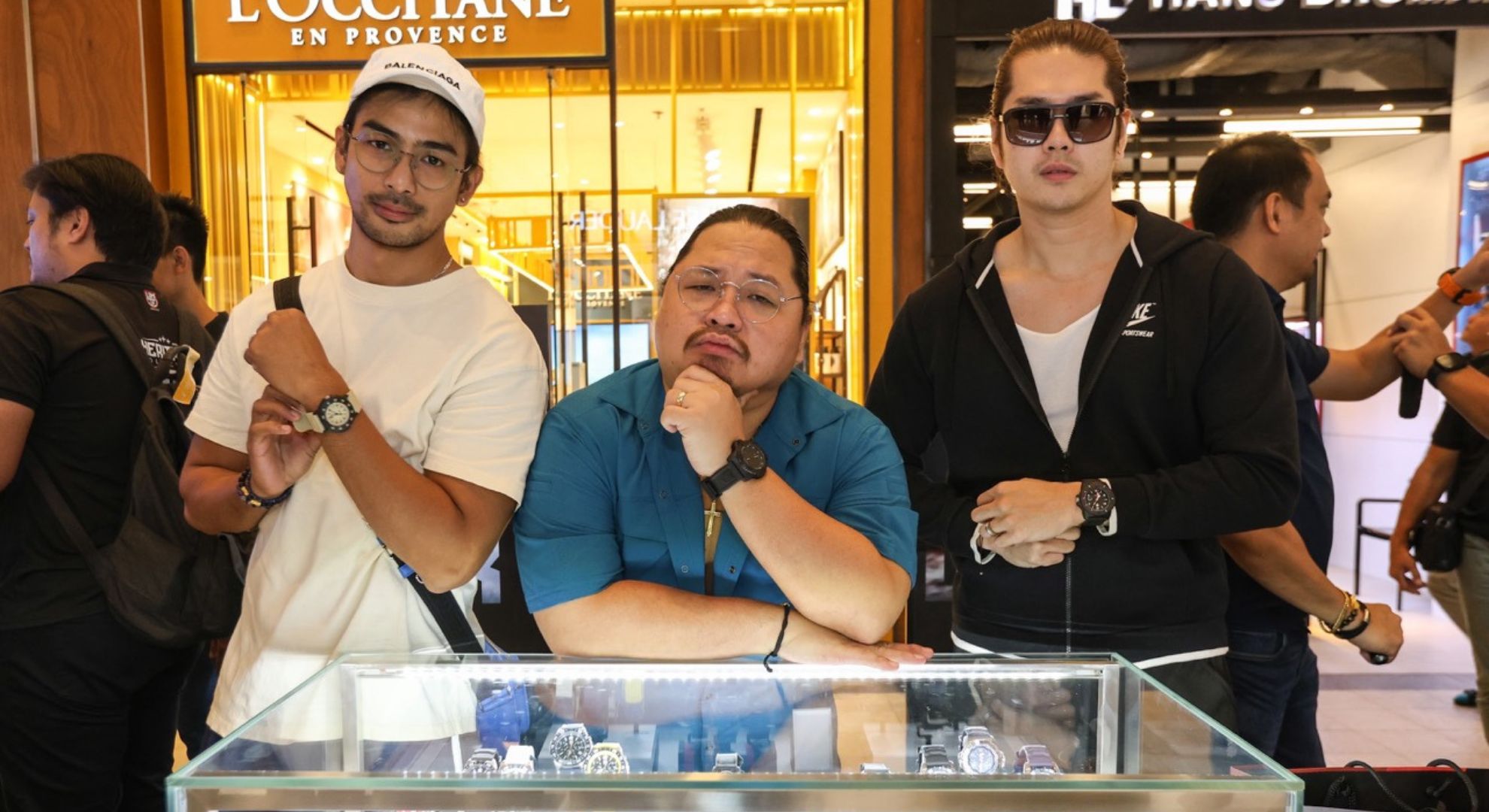
Luminox celebrates 35 years with Heritage Collection launch at Rockwell Makati
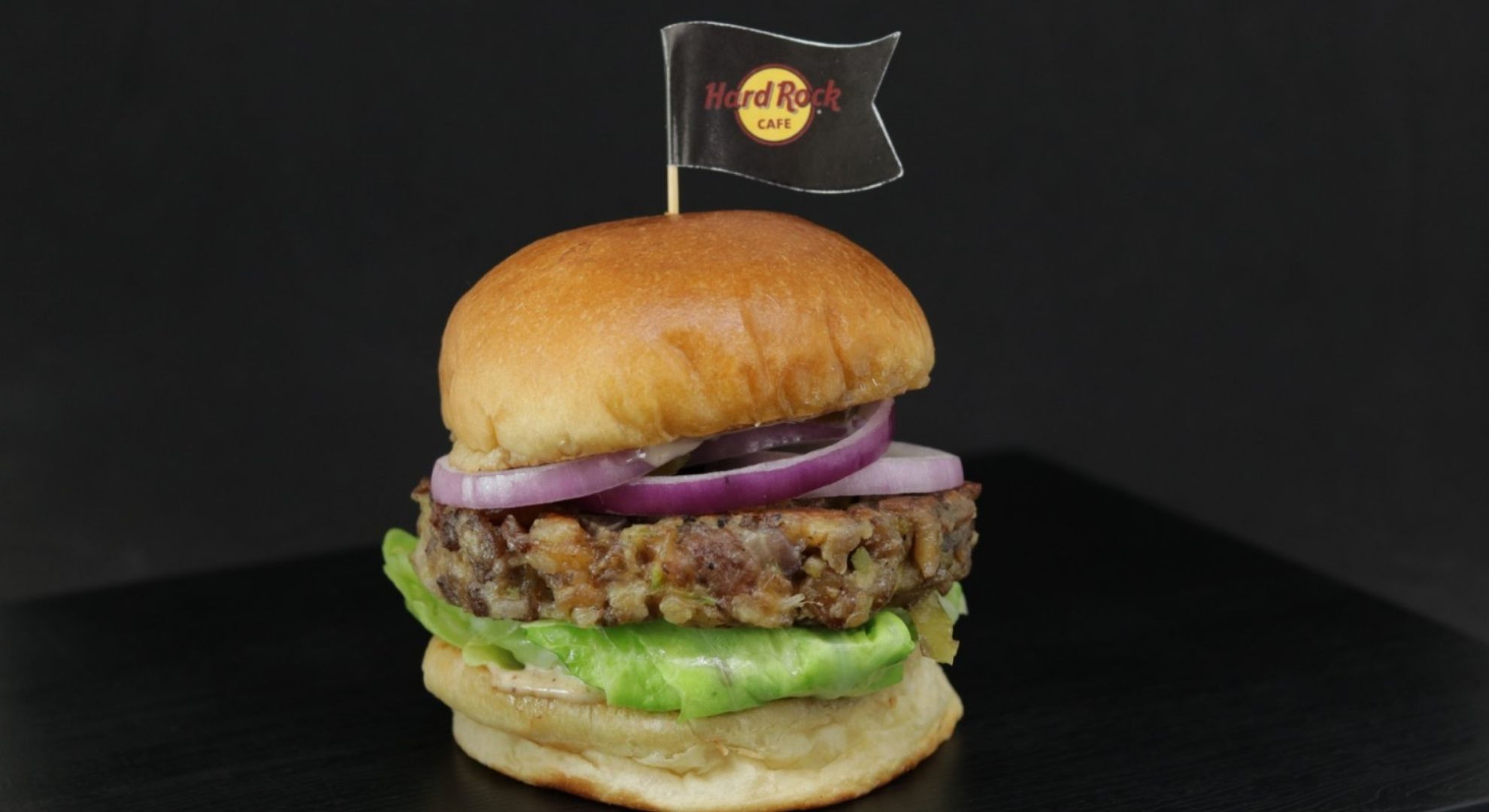
Hard Rock Cafe Manila and Makati welcome ‘World Burger Tour Competition’ to let guests and locals choose their favorite culturally inspired burgers
Discover the Philippines ‘Juan by Juan’ with Cebu Pacific
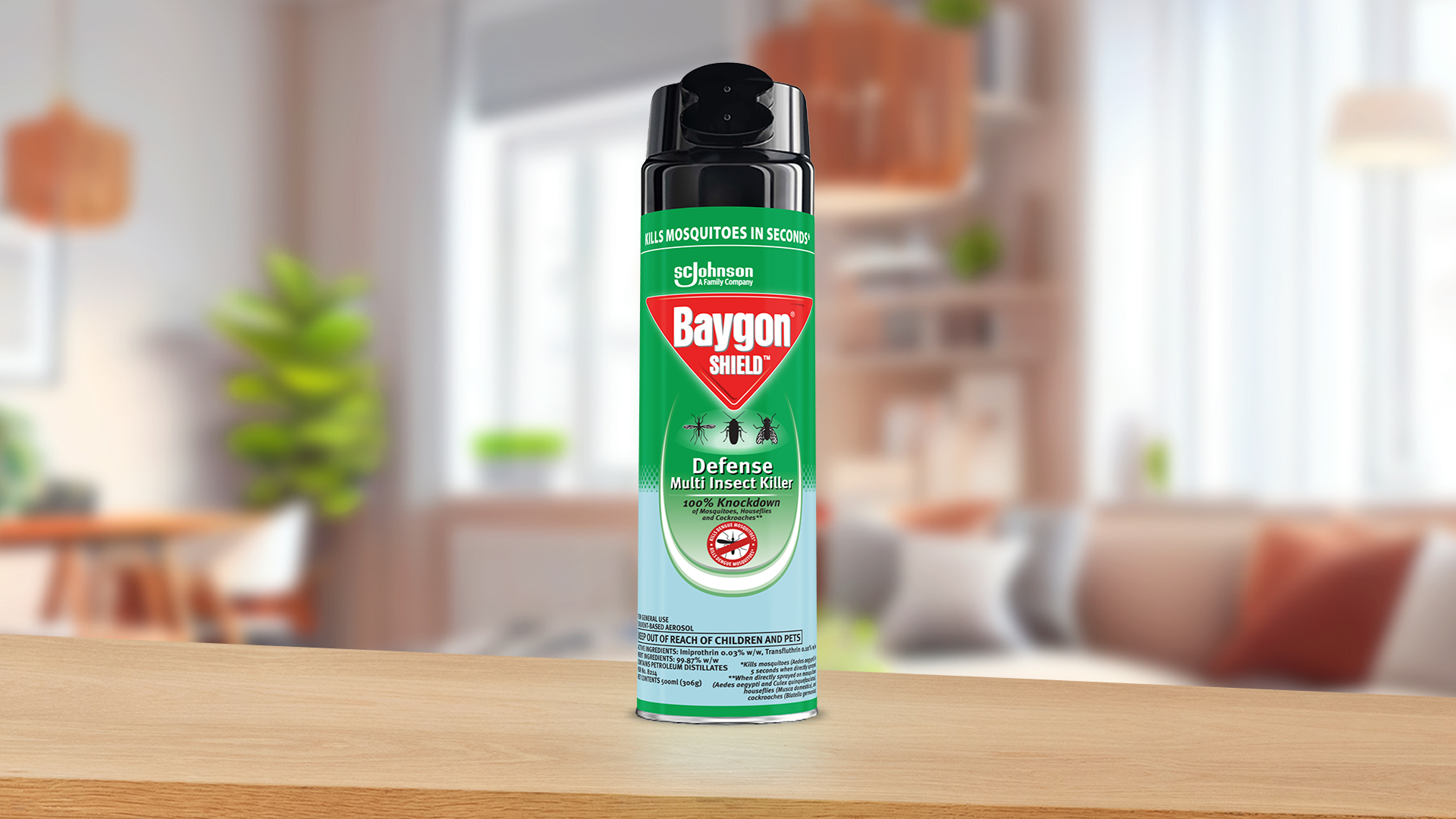
Protect your family against insect-borne illnesses
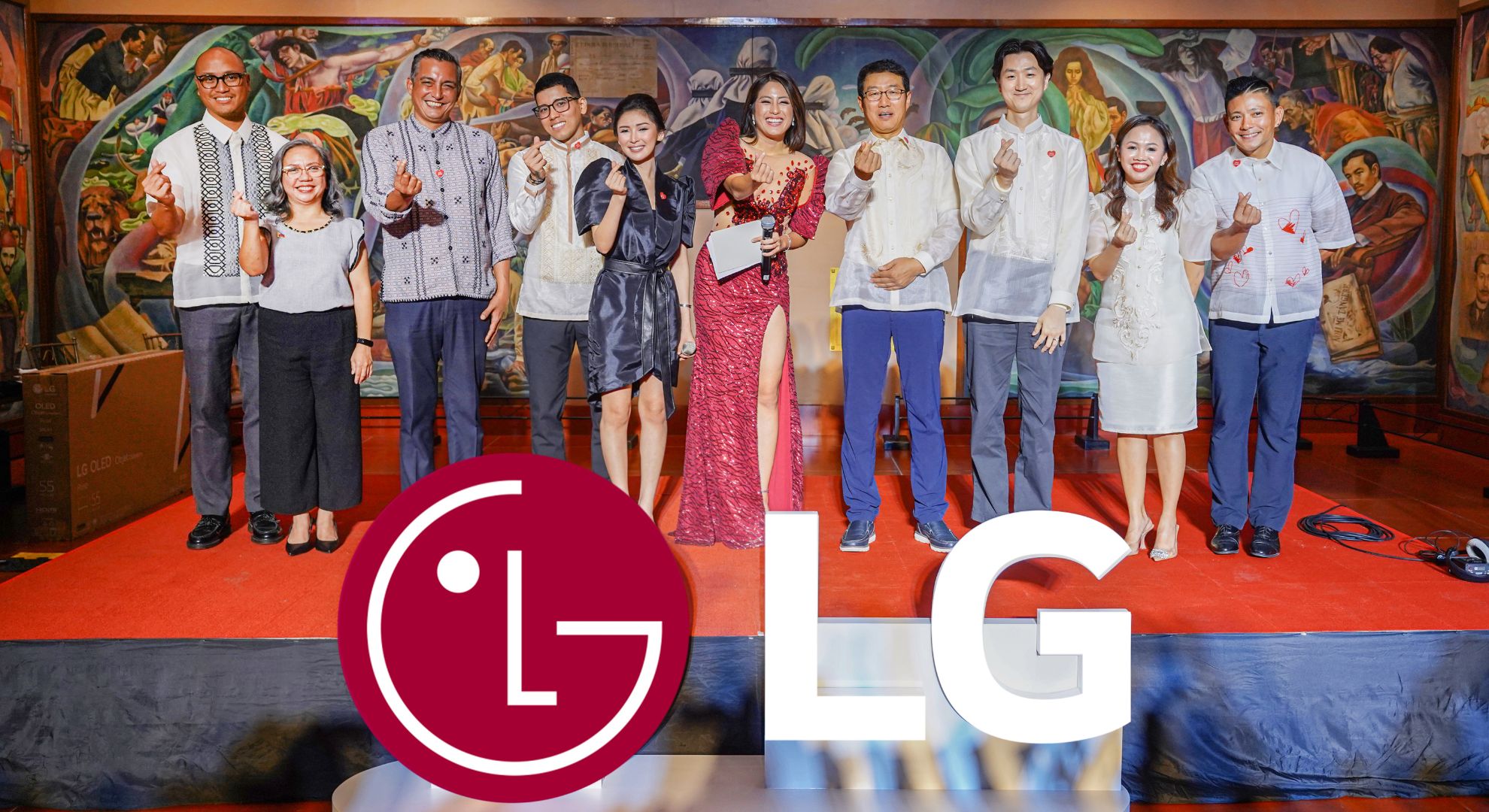
LG OLED TVs illuminate artistic legacy at National Museum of Fine Arts
Hard Rock Café Manila presents ‘World Tour Burger,’ new bar bites, and live OPM entertainment numbers
Previous
Next