Skip to content
OCTOBER 27, 2022
Instagram
Facebook
Youtube
Profile
Fashion
Beauty
Culture
Travel
Food
Entertainment
Human Interest
Menu
Profile
Fashion
Beauty
Culture
Travel
Food
Entertainment
Human Interest
ABOUT US
INQUIRER.NET
BRANDROOM
F&B REPORT
MULTISPORT
NOLISOLI
PREEN
SCOUT
Search
Home
LIFESTYLE.INQ Entertainment
,
LIFESTYLE.INQ Latest
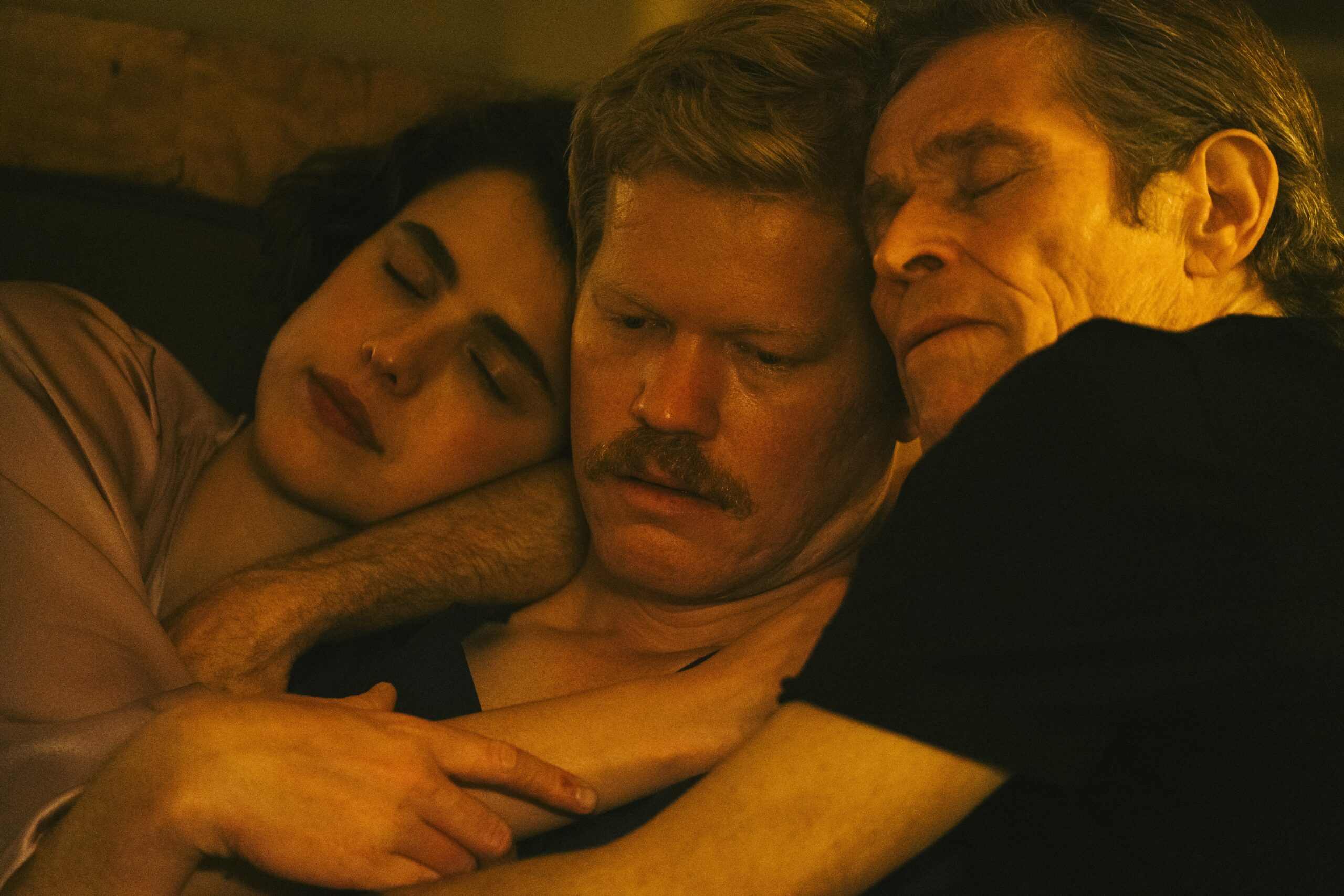
Trump vows to sue over explosive biopic
BY
Andrew MARSZAL via Agence France-Presse
May 21, 2024
7:47 pm
LATEST ARTICLES
LIFESTYLE.INQ Health & Wellness
,
LIFESTYLE.INQ Latest
Memory loss in young adults, explained
BY
Carl Martin Agustin
May 21, 2024
1:41 pm
LIFESTYLE.INQ Beauty
,
LIFESTYLE.INQ Latest
,
LIFESTYLE.INQ Ria Recommends
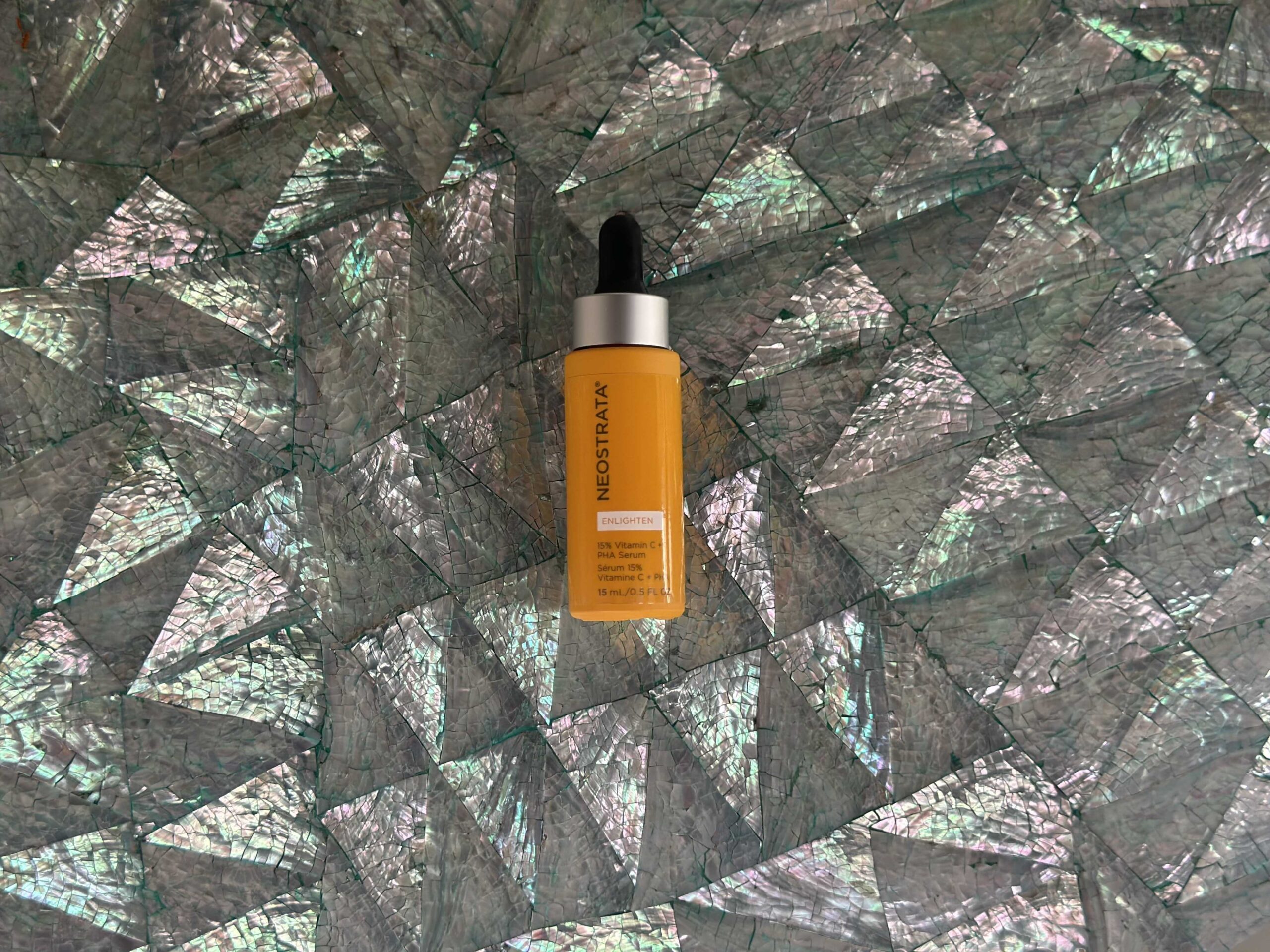
Bedtime to beauty: My 5-step routine to wake up to my best skin
BY
Ria Prieto
May 20, 2024
6:36 pm
LIFESTYLE.INQ Entertainment
,
LIFESTYLE.INQ Latest
Trump biopic hits Cannes Film Festival
BY
Eric Randolph via Agence France-Presse
May 20, 2024
3:22 pm
LIFESTYLE.INQ Fashion
,
LIFESTYLE.INQ Latest
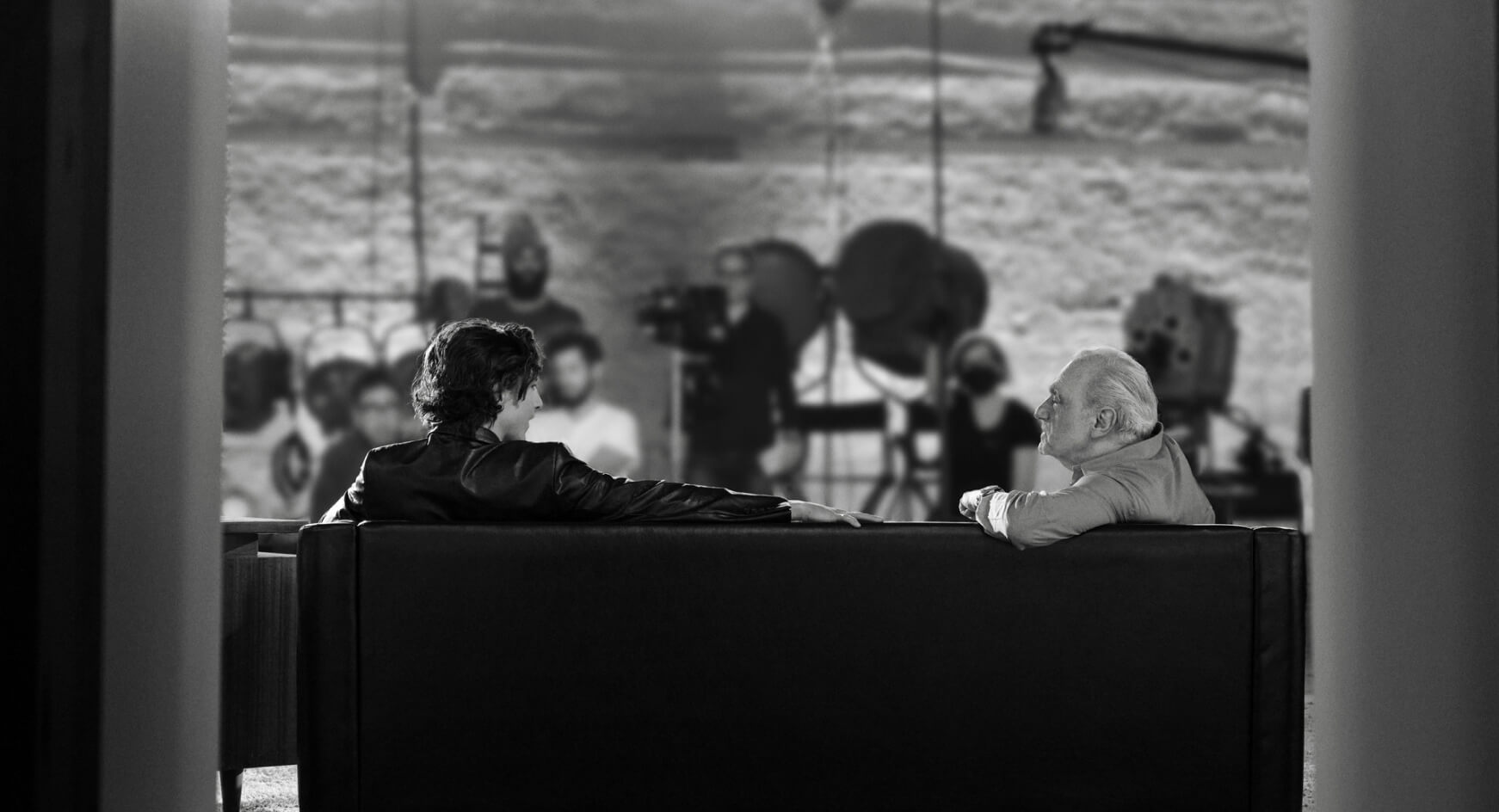
Timothée Chalamet stars in Martin Scorsese’s Bleu De Chanel short film
BY
Carl Martin Agustin
May 20, 2024
2:13 pm
Editor's Picks
LIFESTYLE.INQ Art
,
LIFESTYLE.INQ Editor's Picks
,
LIFESTYLE.INQ Latest
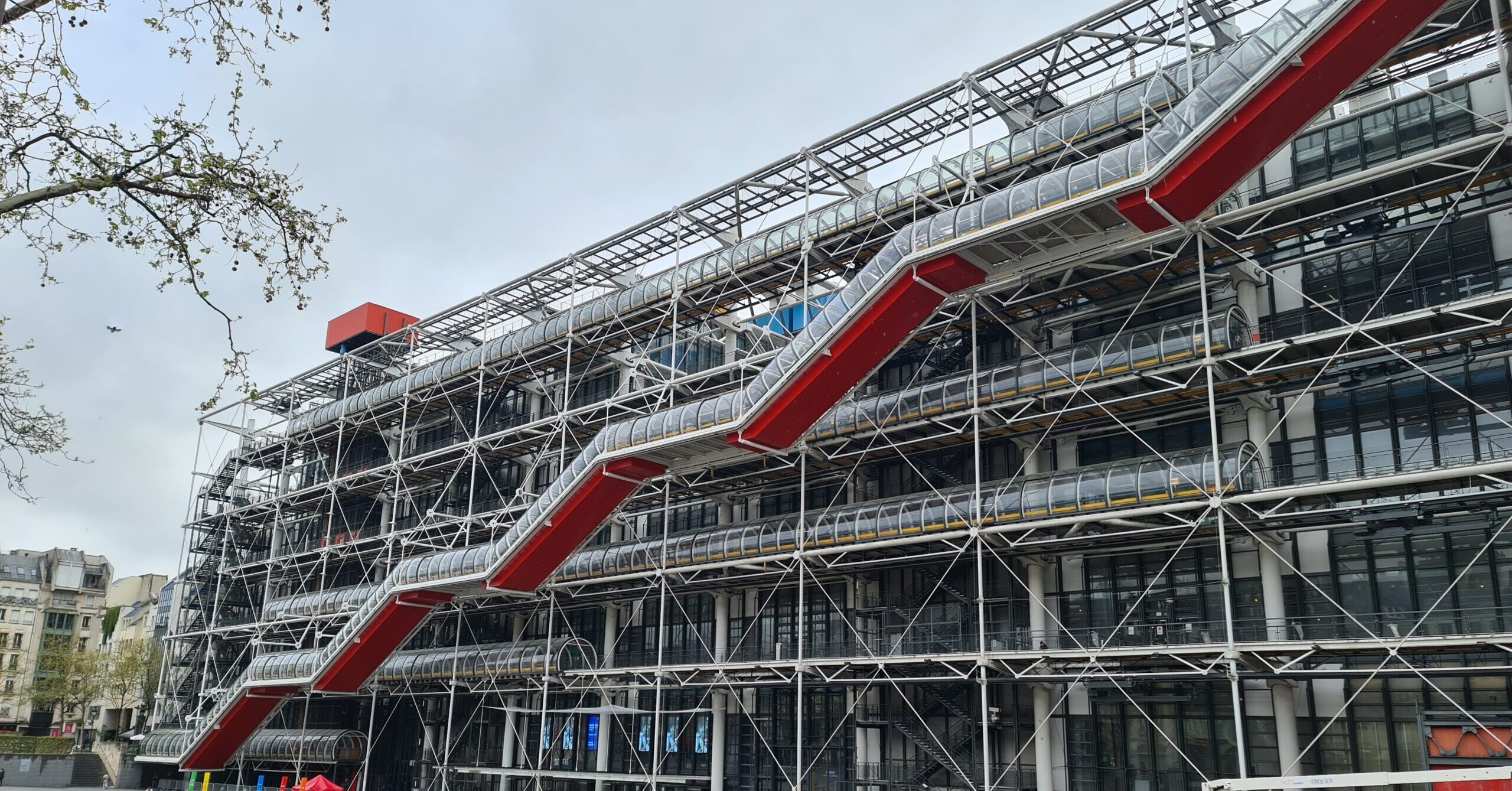
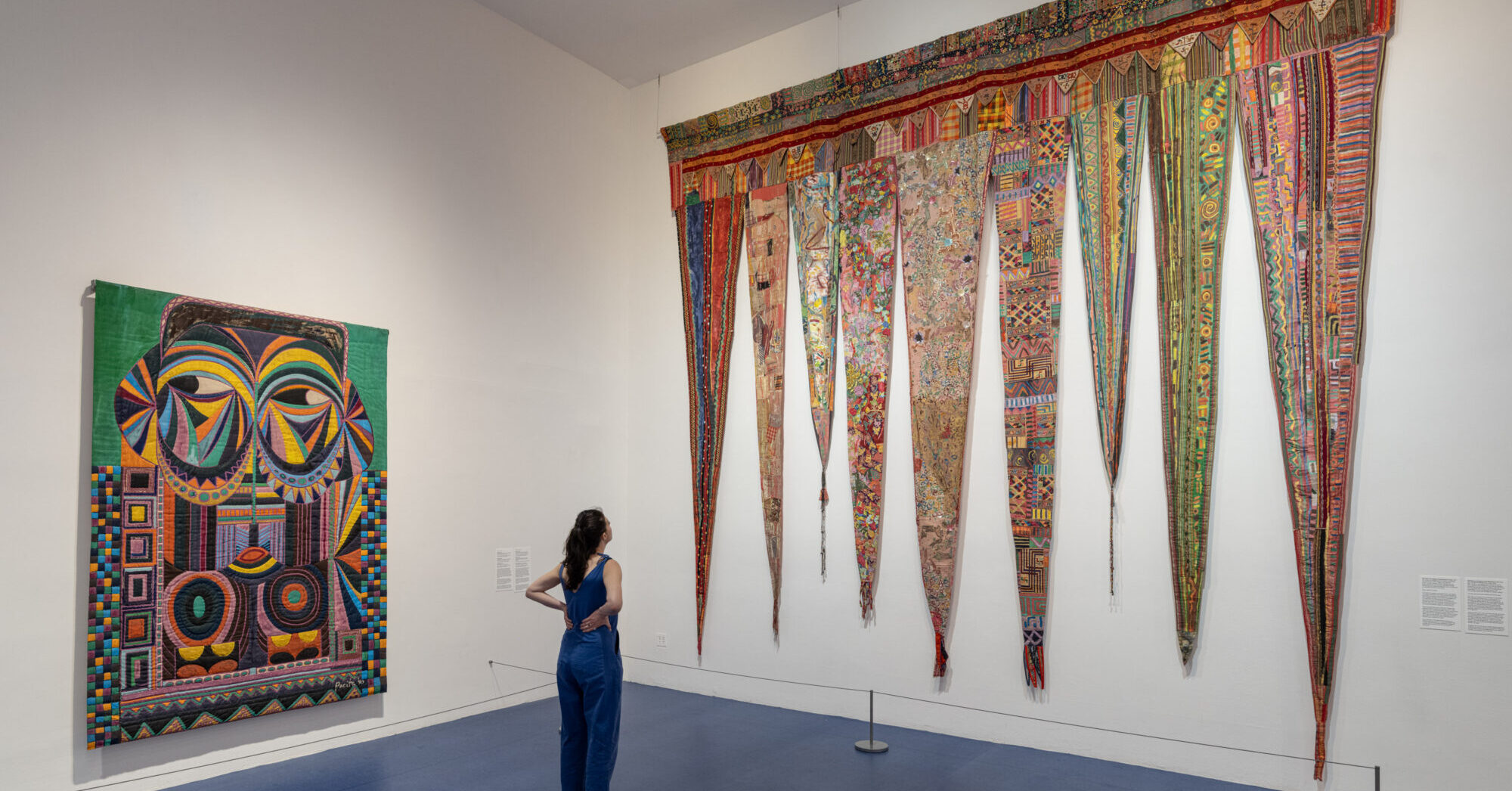
25 must-see museums and galleries around the world
The Lifestyle.INQ Staff
LIFESTYLE.INQ Editor's Picks
,
LIFESTYLE.INQ Food
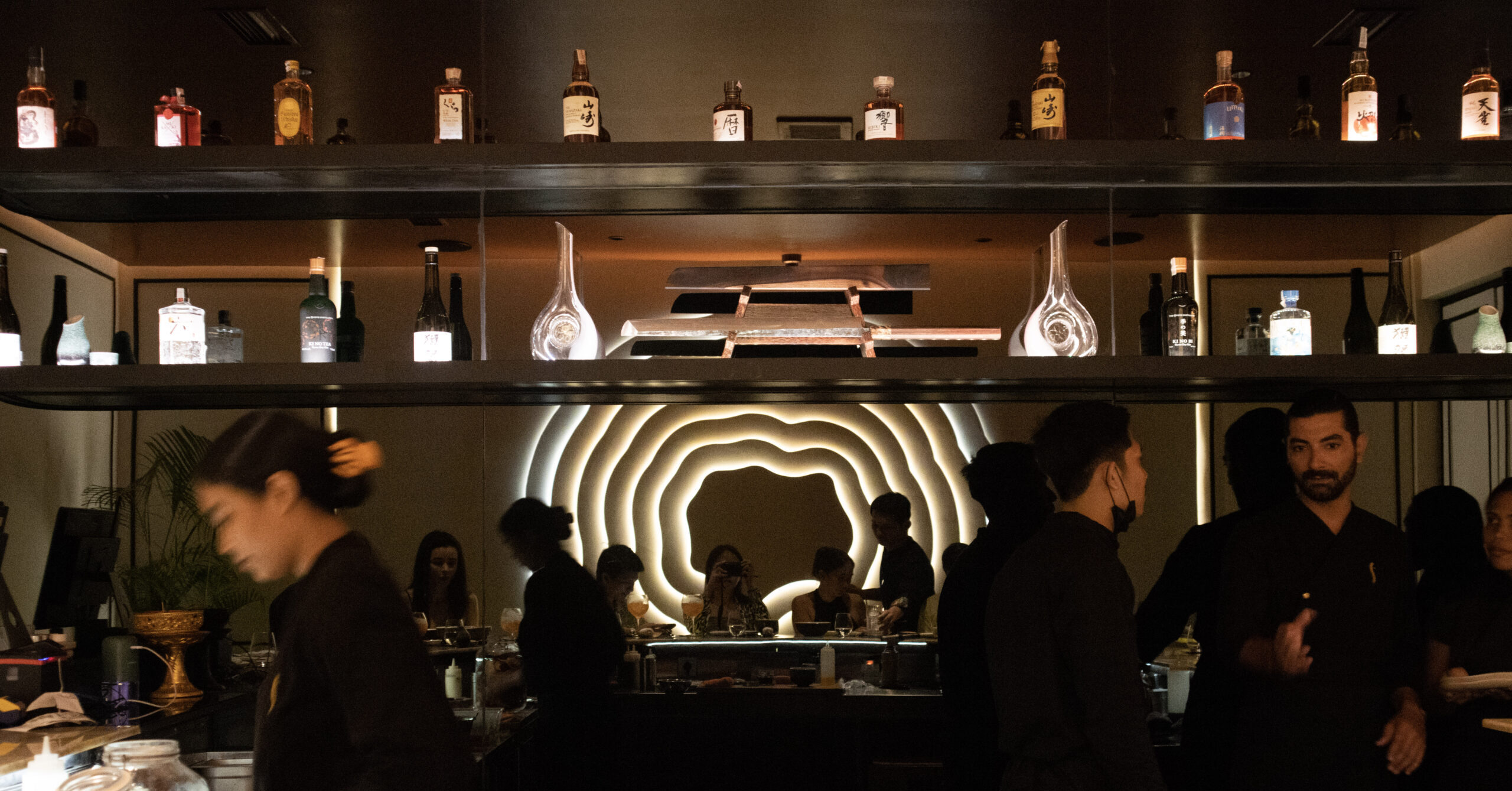
A Japanese omakase with a secret club? Miss Fish is one of Bali’s best-kept secrets
Lala Singian
LIFESTYLE.INQ Editor's Picks
,
LIFESTYLE.INQ Fashion
,
LIFESTYLE.INQ Latest
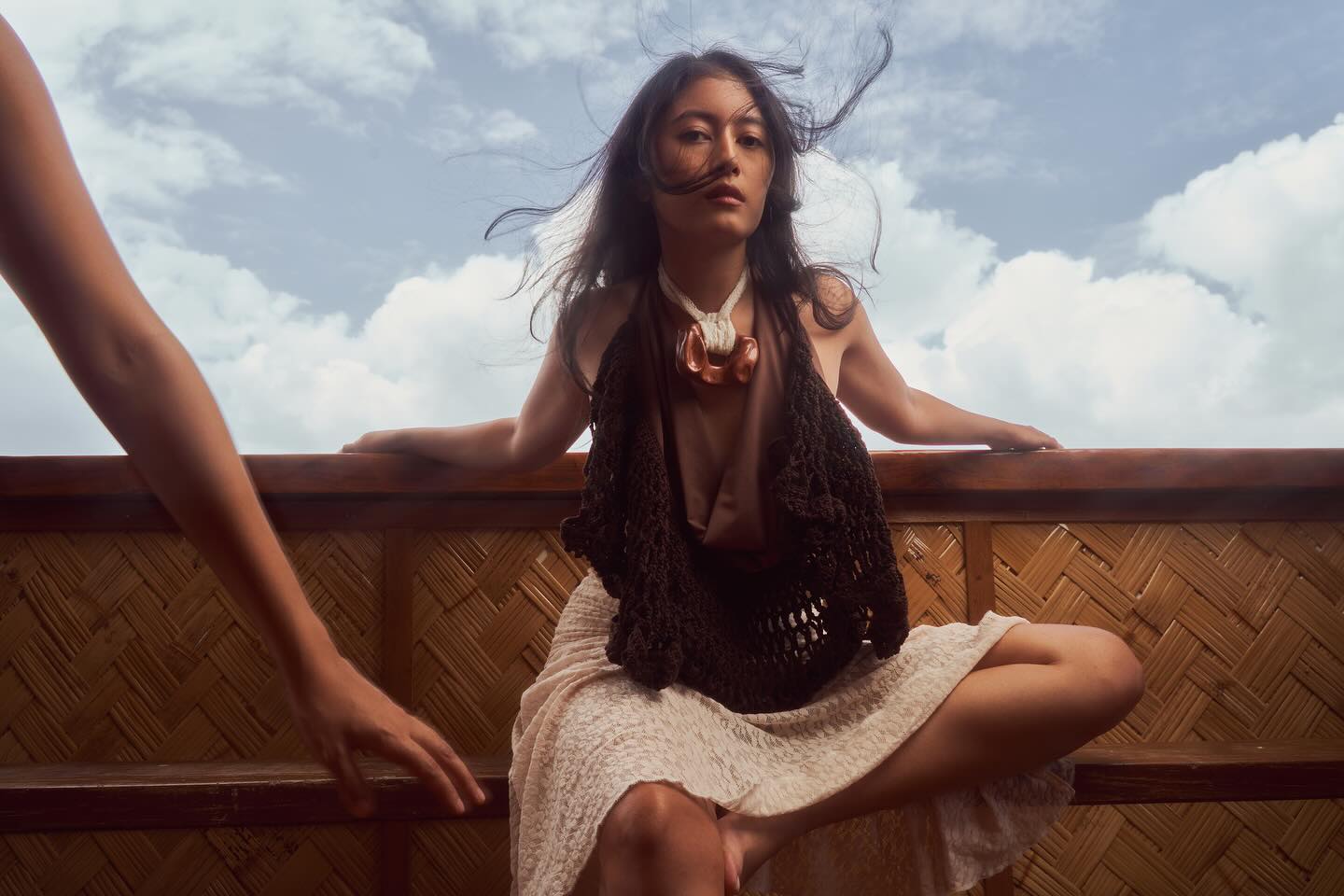
Filipino brands to nail that maximalist summer style
Ashley Valderrama
LIFESTYLE.INQ Editor's Picks
,
LIFESTYLE.INQ Latest
,
LIFESTYLE.INQ Travel
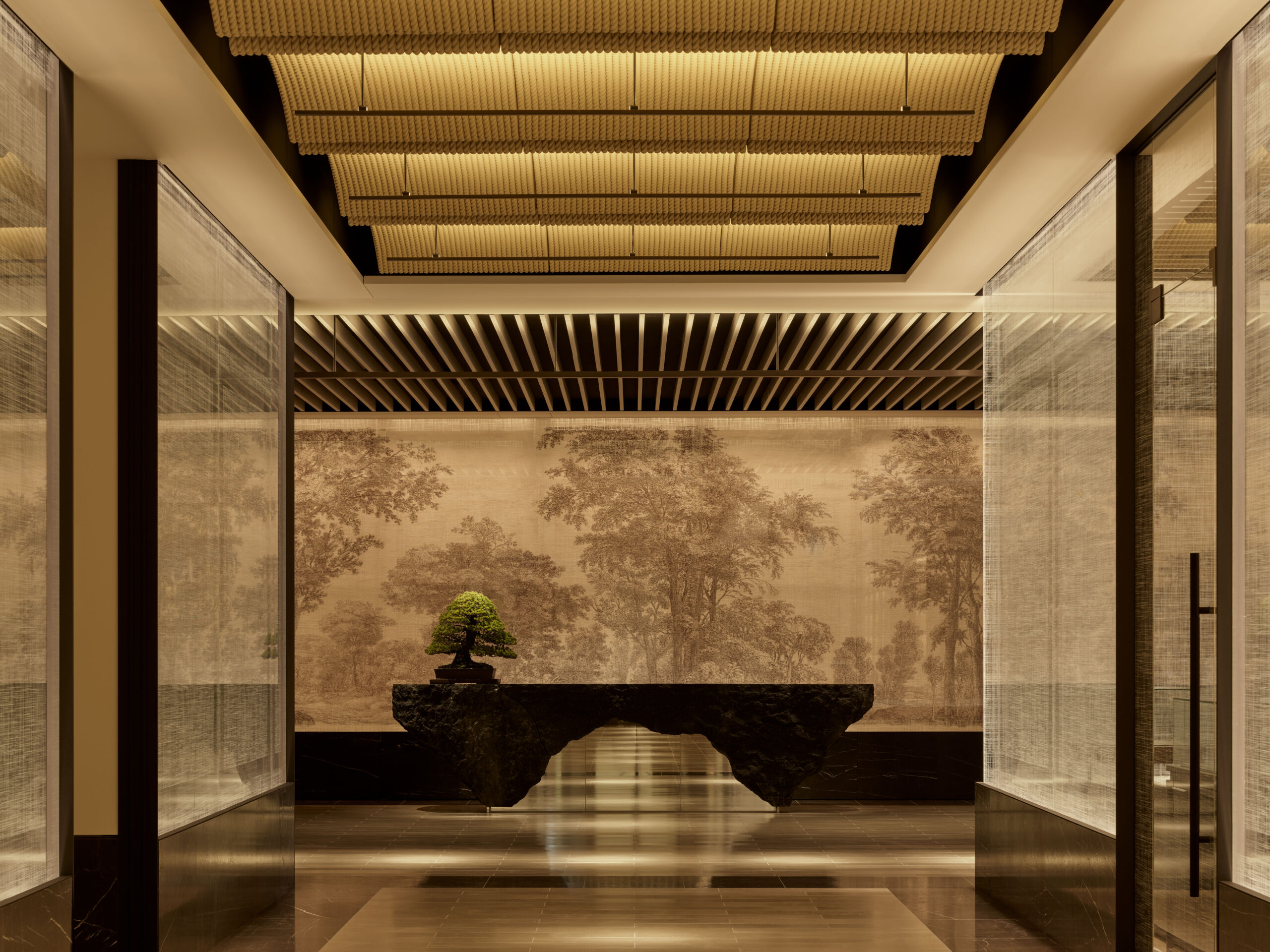
What makes Aman, Aman, what makes Janu, Janu
Maja Olivares-Co
LIFESTYLE.INQ Culture
,
LIFESTYLE.INQ Editor's Picks
,
LIFESTYLE.INQ Latest
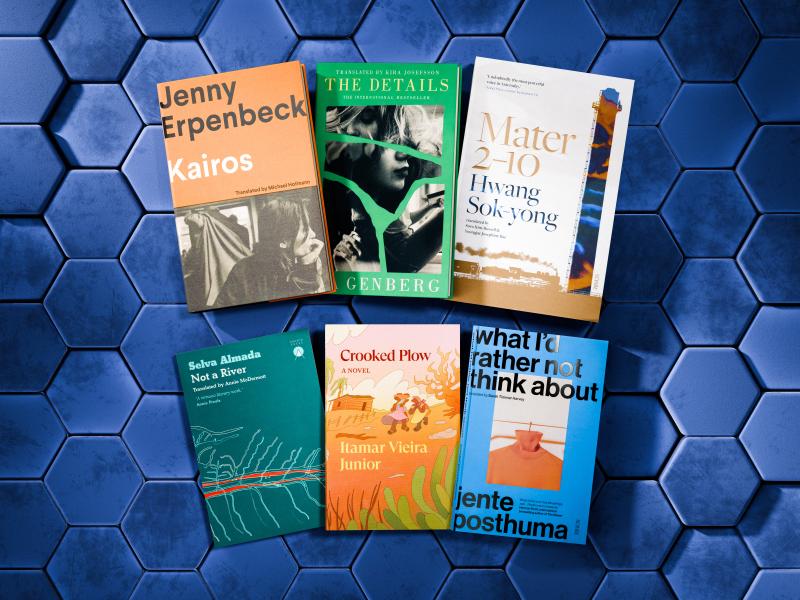
International Booker Prize 2024 shortlist includes ‘implicitly optimistic’ titles from 6 countries
Jan Alyanna G. Tamaray
LIFESTYLE.INQ Art
,
LIFESTYLE.INQ Editor's Picks
,
LIFESTYLE.INQ Latest
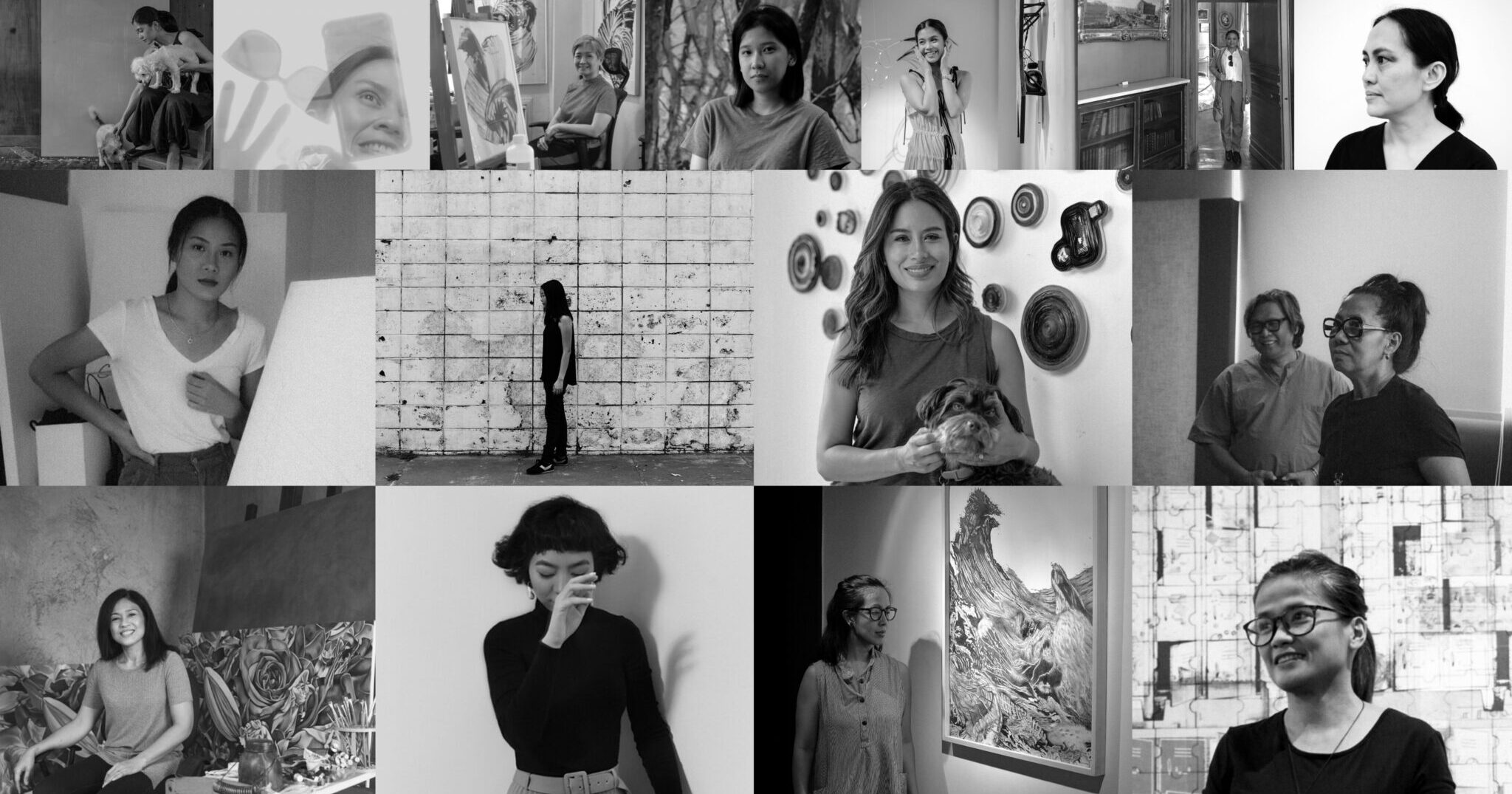
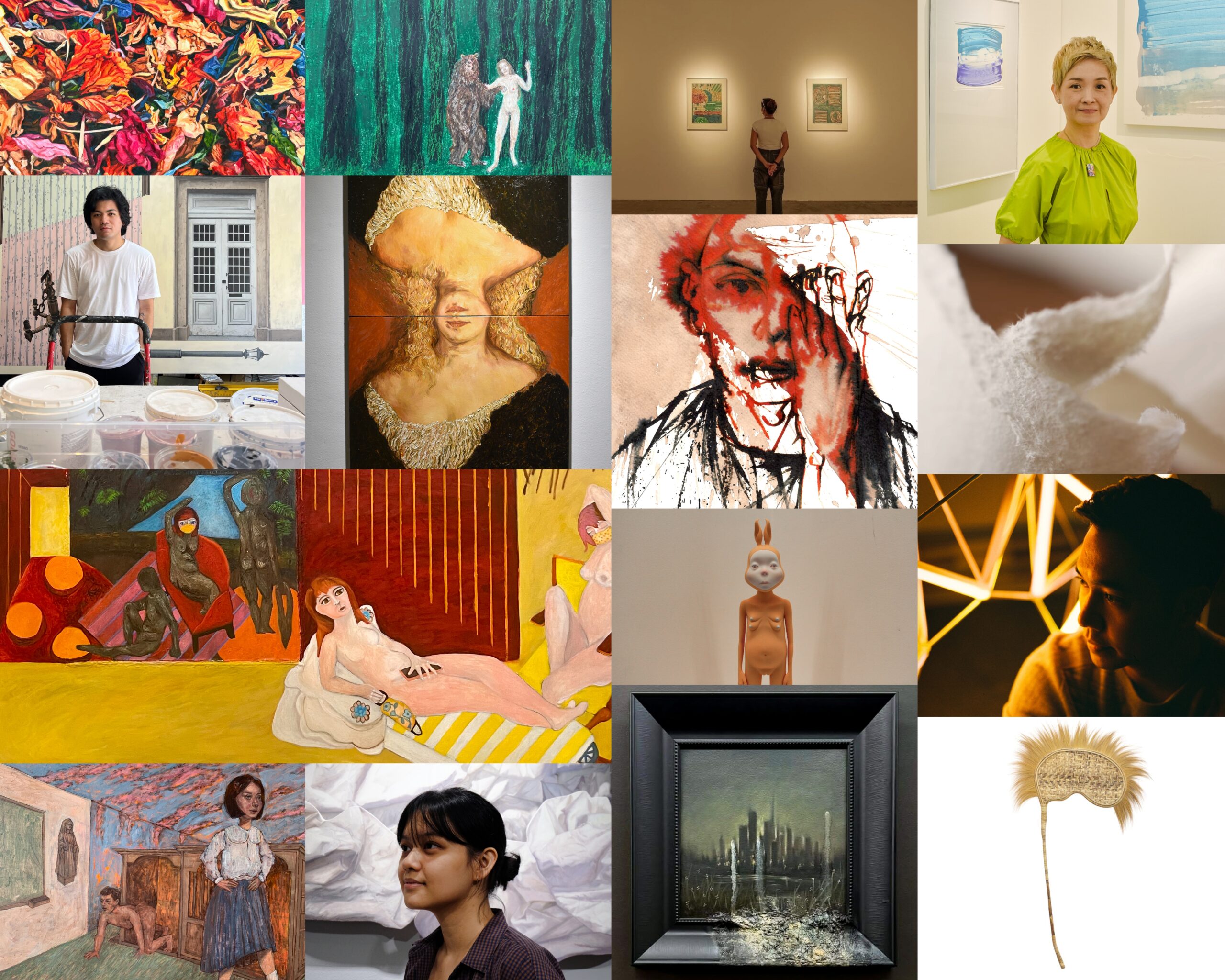
30 women artists, curators, designers, and art educators to watch out for in 2024
Patrick de Veyra
Previous
Next
Ria Recommends
RIA RECOMMENDS
The lazy sunbather’s guide to looking fresh
Ria Prieto
RIA RECOMMENDS
Boots over wedges: The top 5 shoes every woman should have
Ria Prieto
RIA RECOMMENDS
Scent-sory pleasures: 5 fragrances to turn heads
Ria Prieto
RIA RECOMMENDS
Argentinian Consul Fabricio Sordoni celebrates 36th birthday in Makati
The Lifestyle.INQ Staff
RIA RECOMMENDS
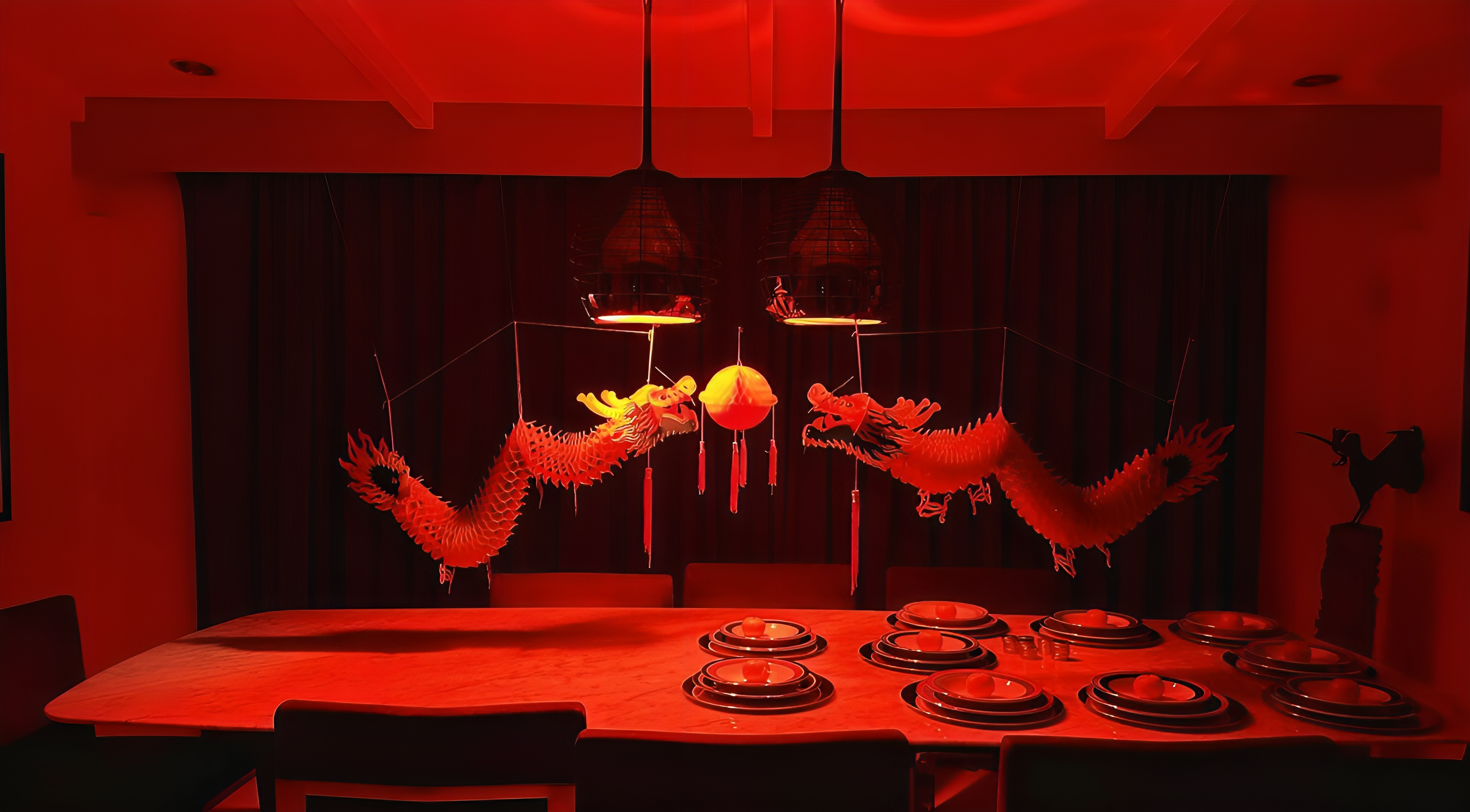
Everything I’ve done to prepare for Chinese New Year
Ria Prieto
RIA RECOMMENDS
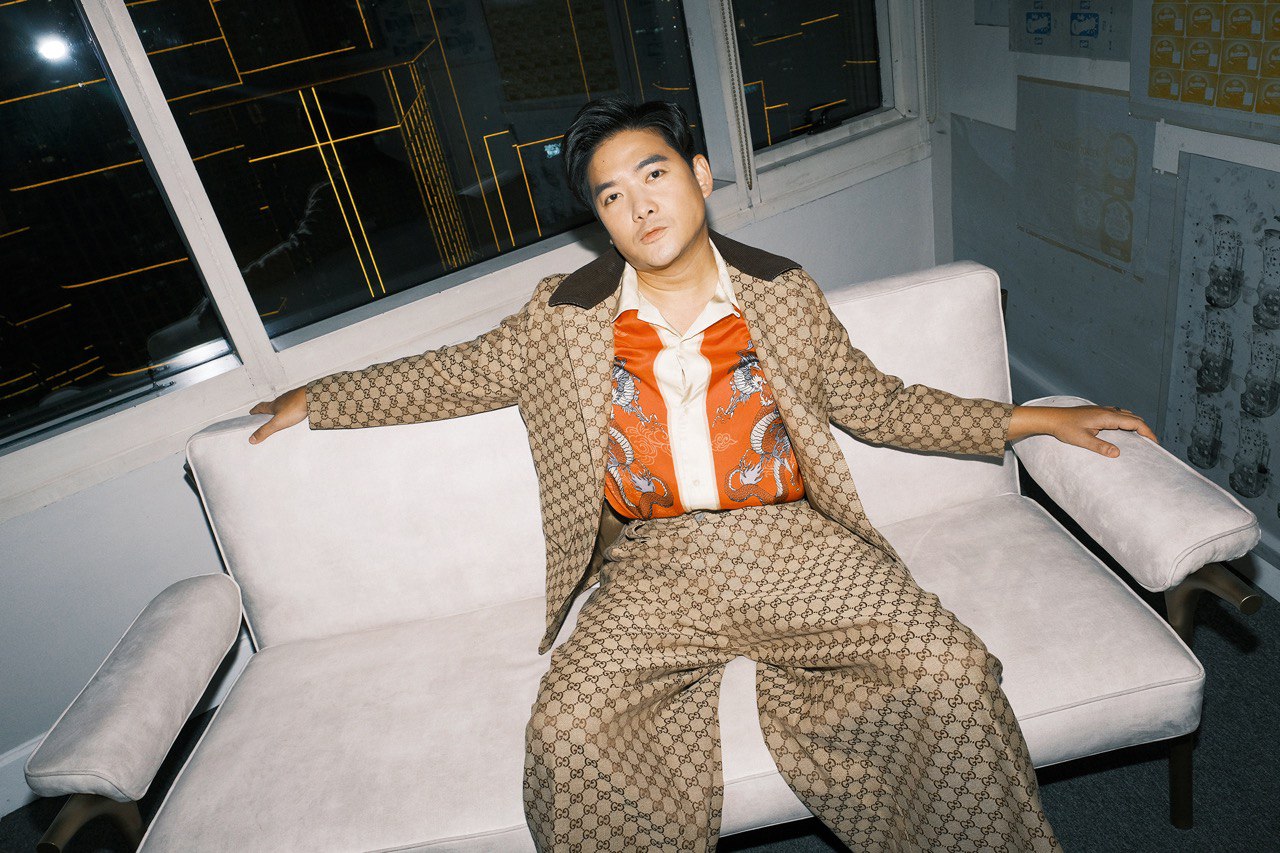
10 principles Tim Yap lives by
Ria Prieto
Previous
Next
ON THE COVER
The planetary diet with Mesa ni Misis
BY JUANA M. YUPANGCO MSC
Askal: Melbourne’s love letter to Filipino cuisine
BY SOPHIA BERBANO CONCORDIA
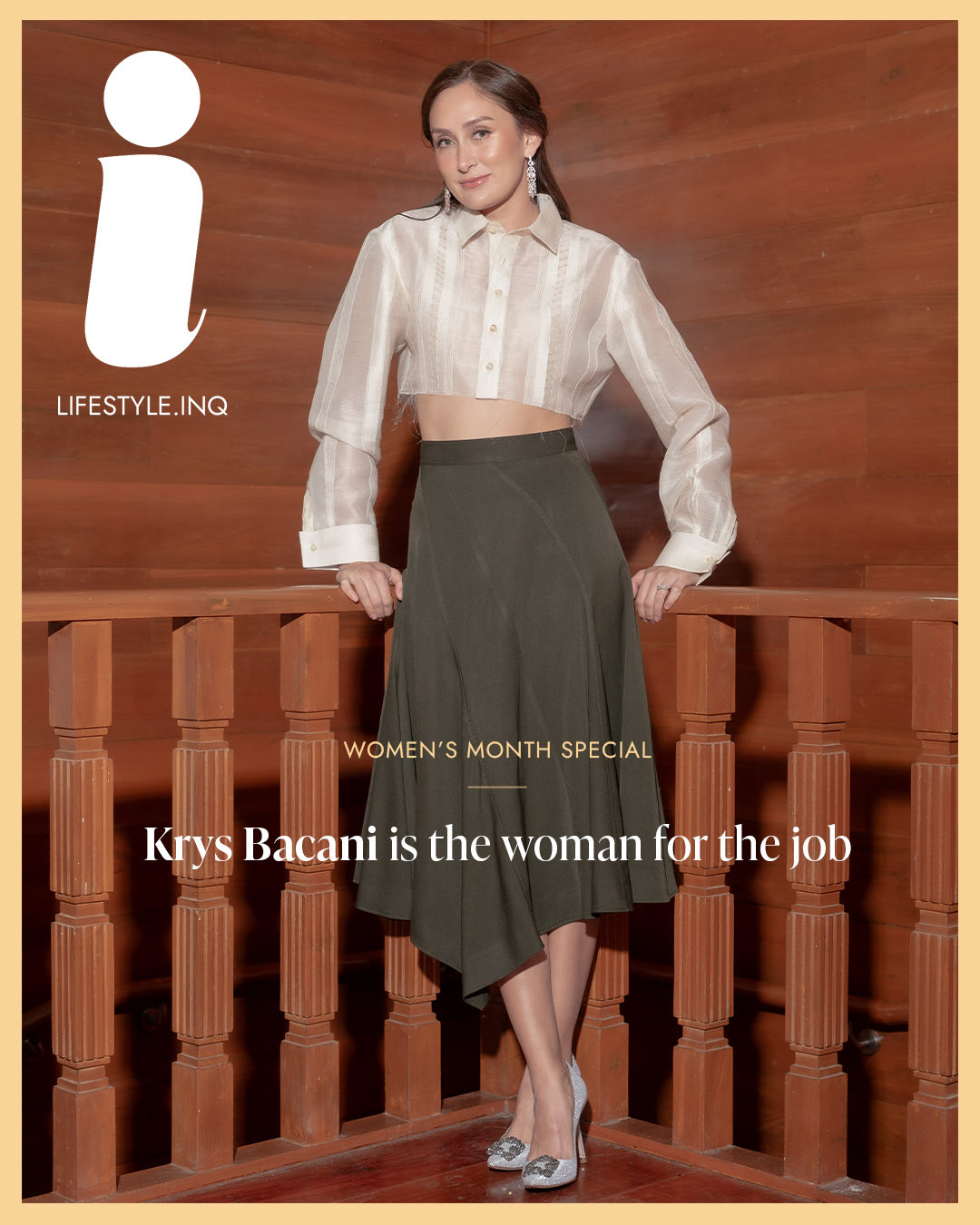
Passionate politics: Manila Councilor Krys Bacani drives women-empowered change
BY LALA SINGIAN
Vicki Belo bares her own brand of beautiful
BY SOPHIA BERBANO CONCORDIA
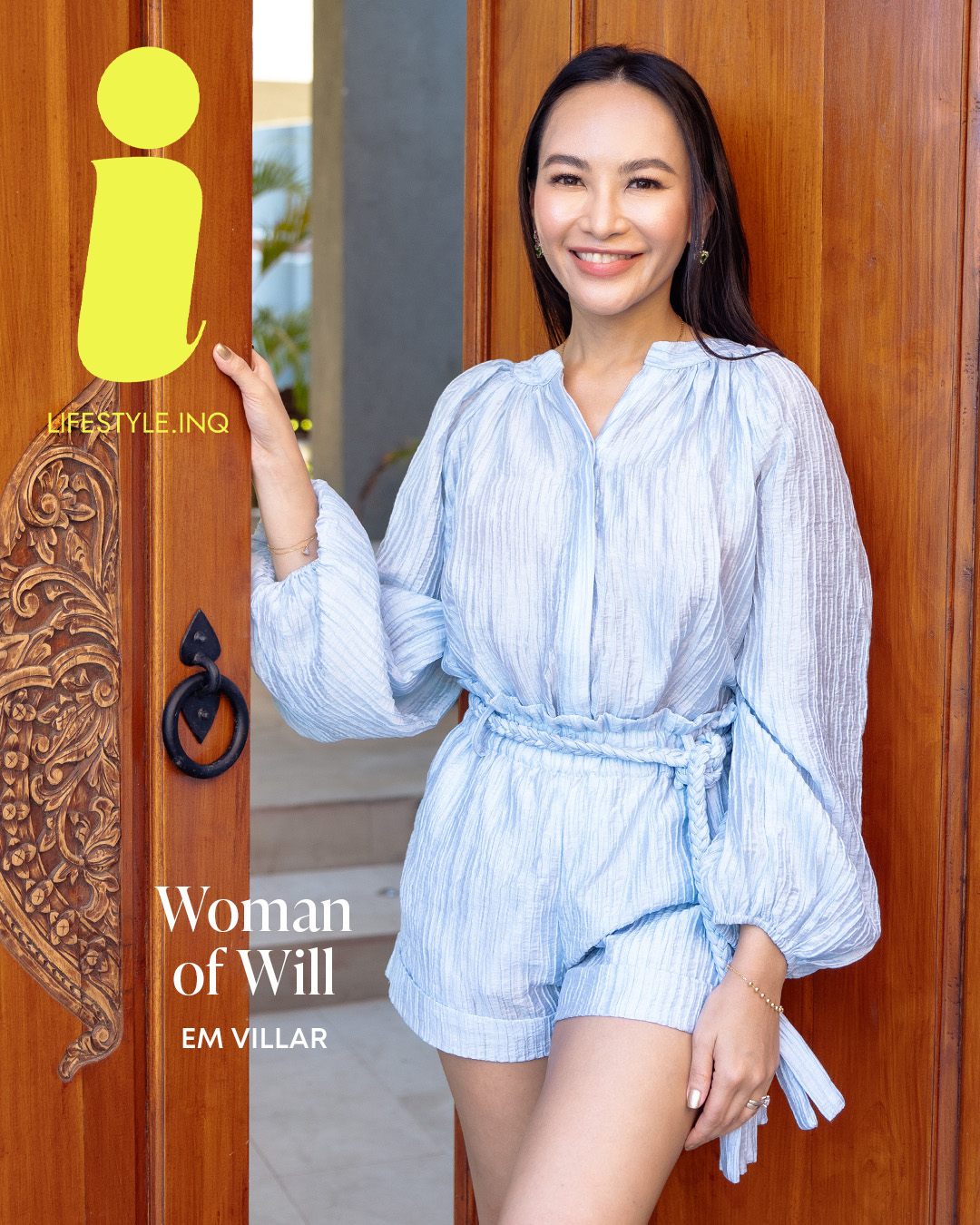
Emmeline Aglipay-Villar on finding and giving second chances
BY CARL MARTIN AGUSTIN
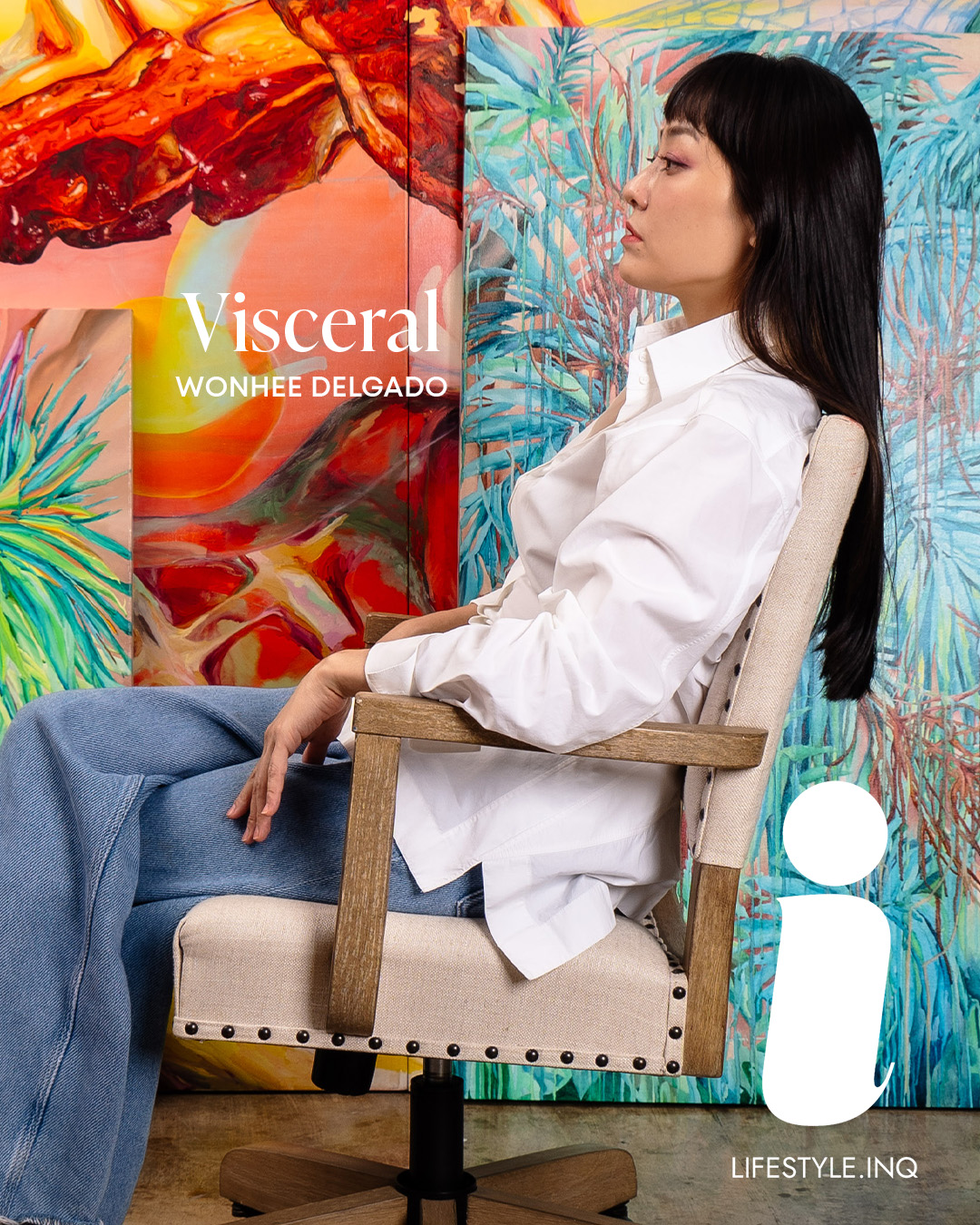
Wonhee Delgado embodies the delights of making art dynamic
BY LALA SINGIAN
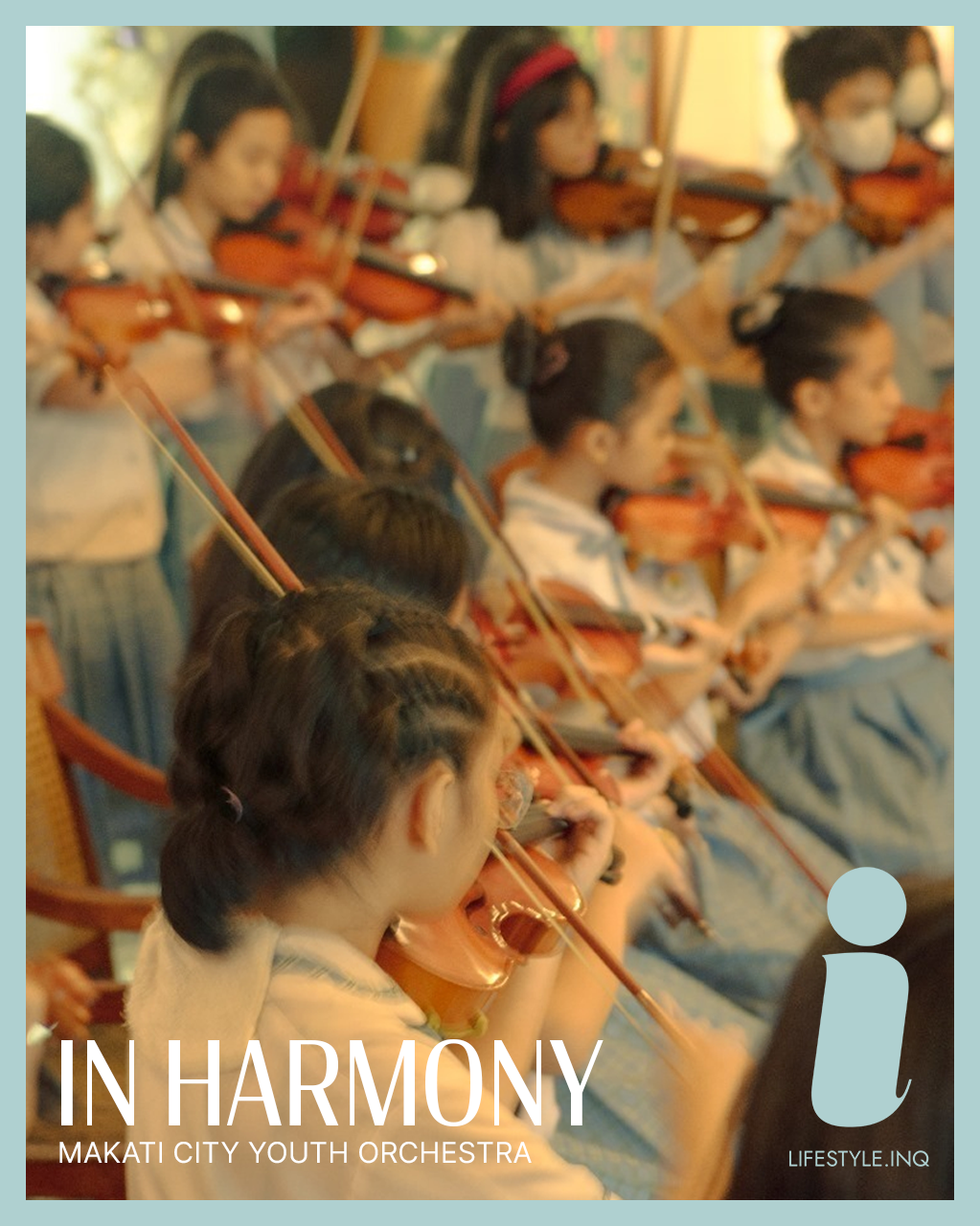
Symphonic youth: How the Makati City Youth Orchestra resonates hope
BY LALA SINGIAN
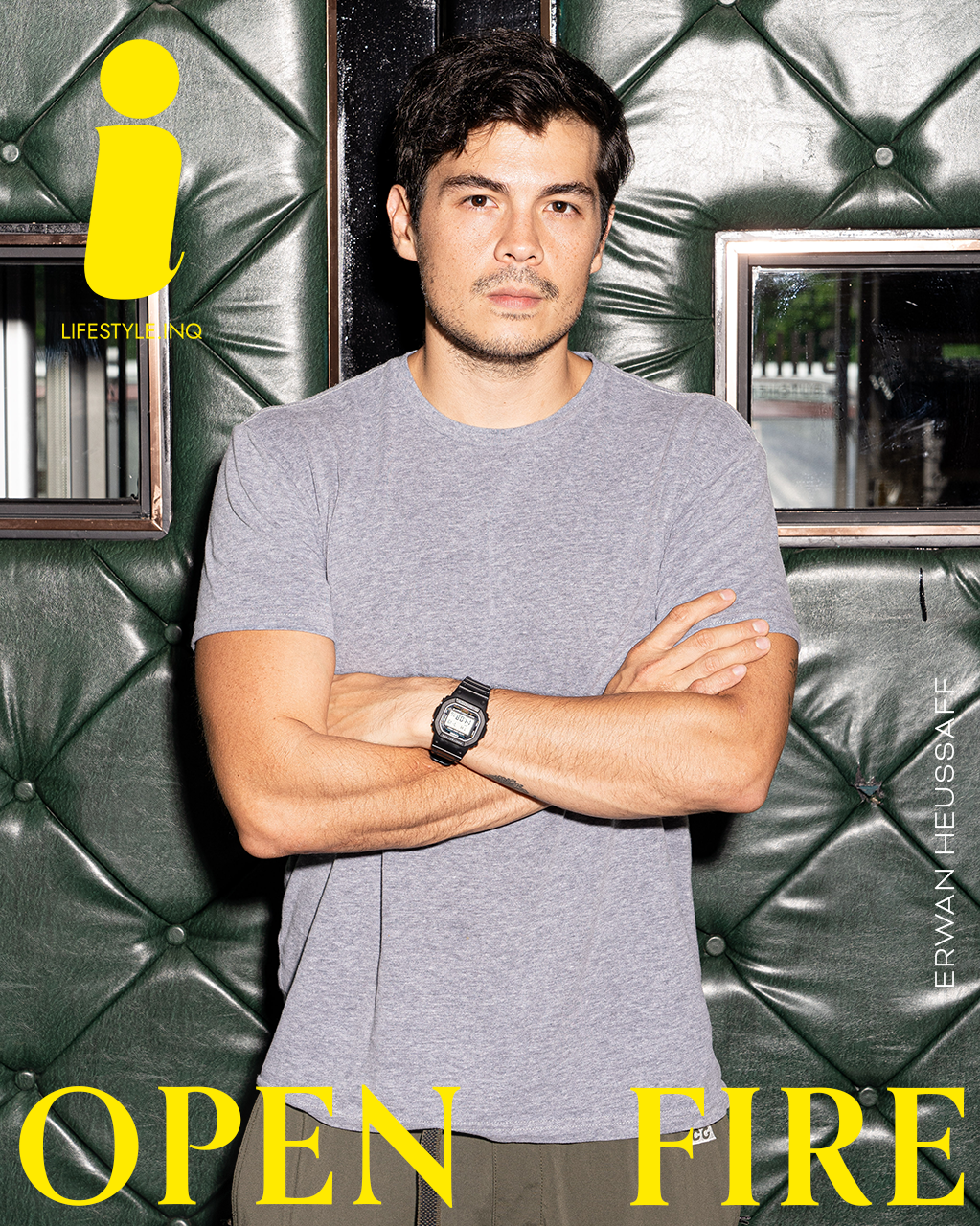
Open fire: Erwan Heussaff is carving a niche in the food industry
BY LALA SINGIAN
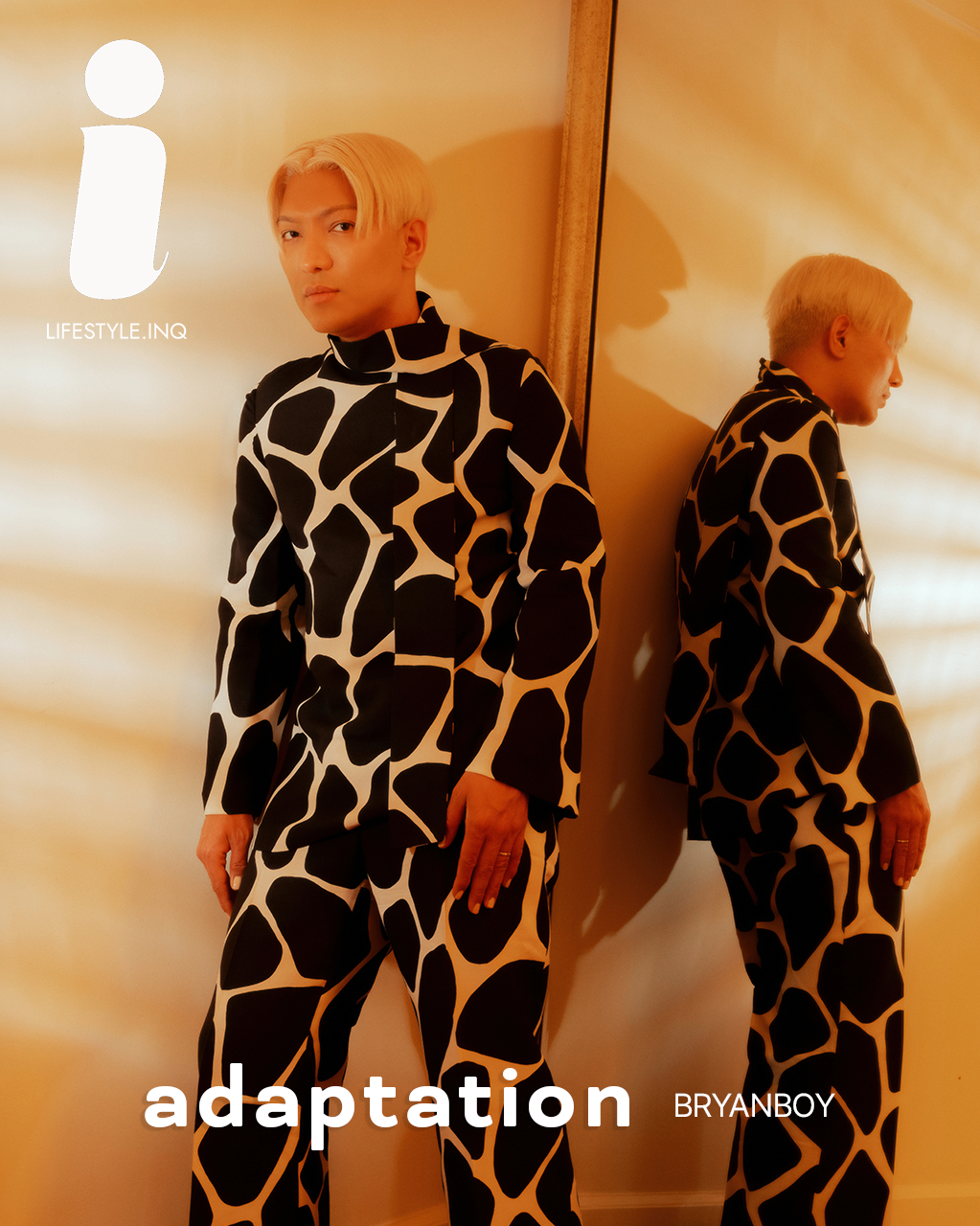
How Bryanboy defined the age of influence(ing)
BY SOPHIA BERBANO CONCORDIA
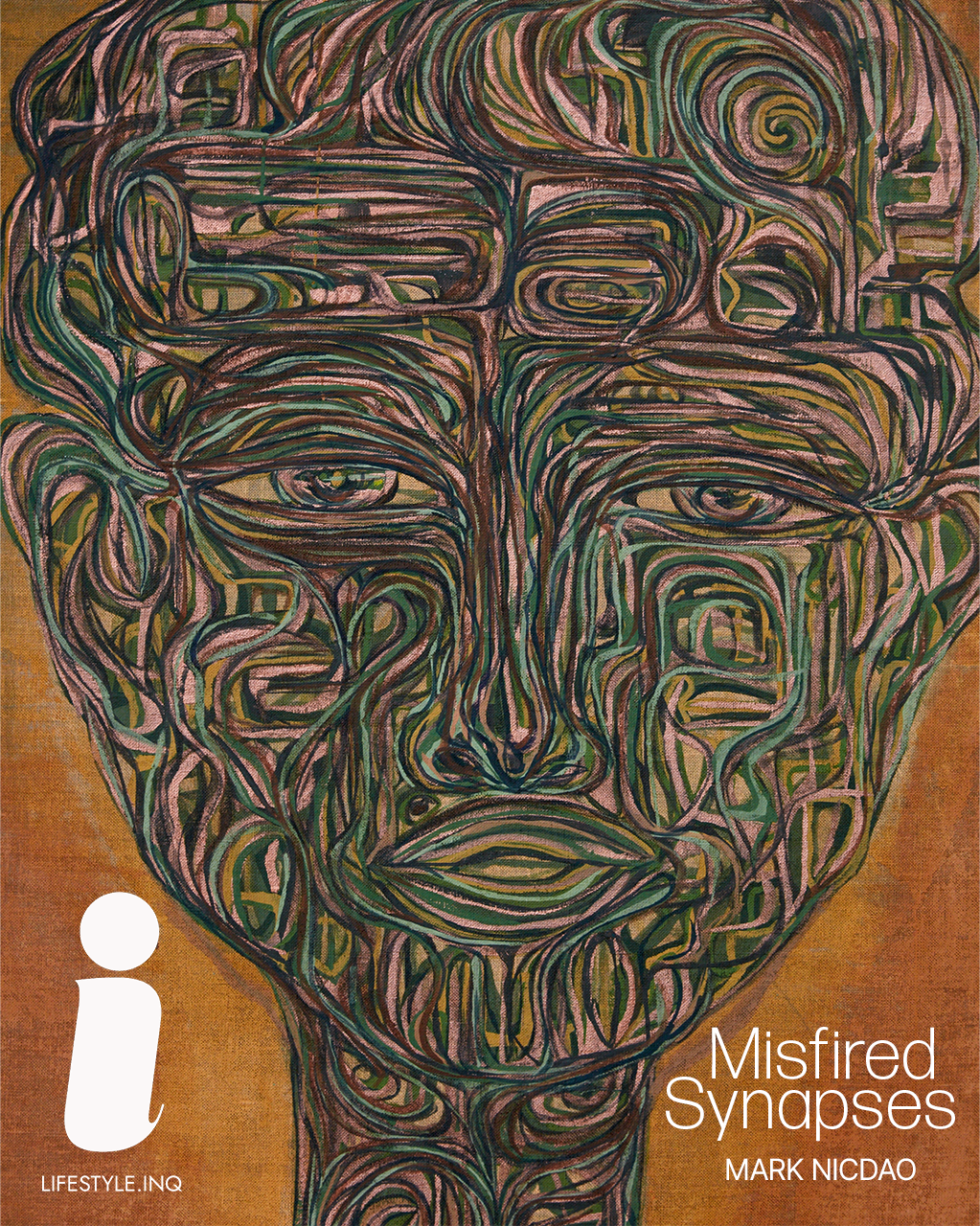
Reflections on raw canvas: Mark Nicdao’s latest exhibition in a palazzo in Venice
BY LALA SINGIAN
Previous
Next
PROFILES
Kyla Olives Laurel on navigating motherhood and creative entrepreneurship
BY LALA SINGIAN
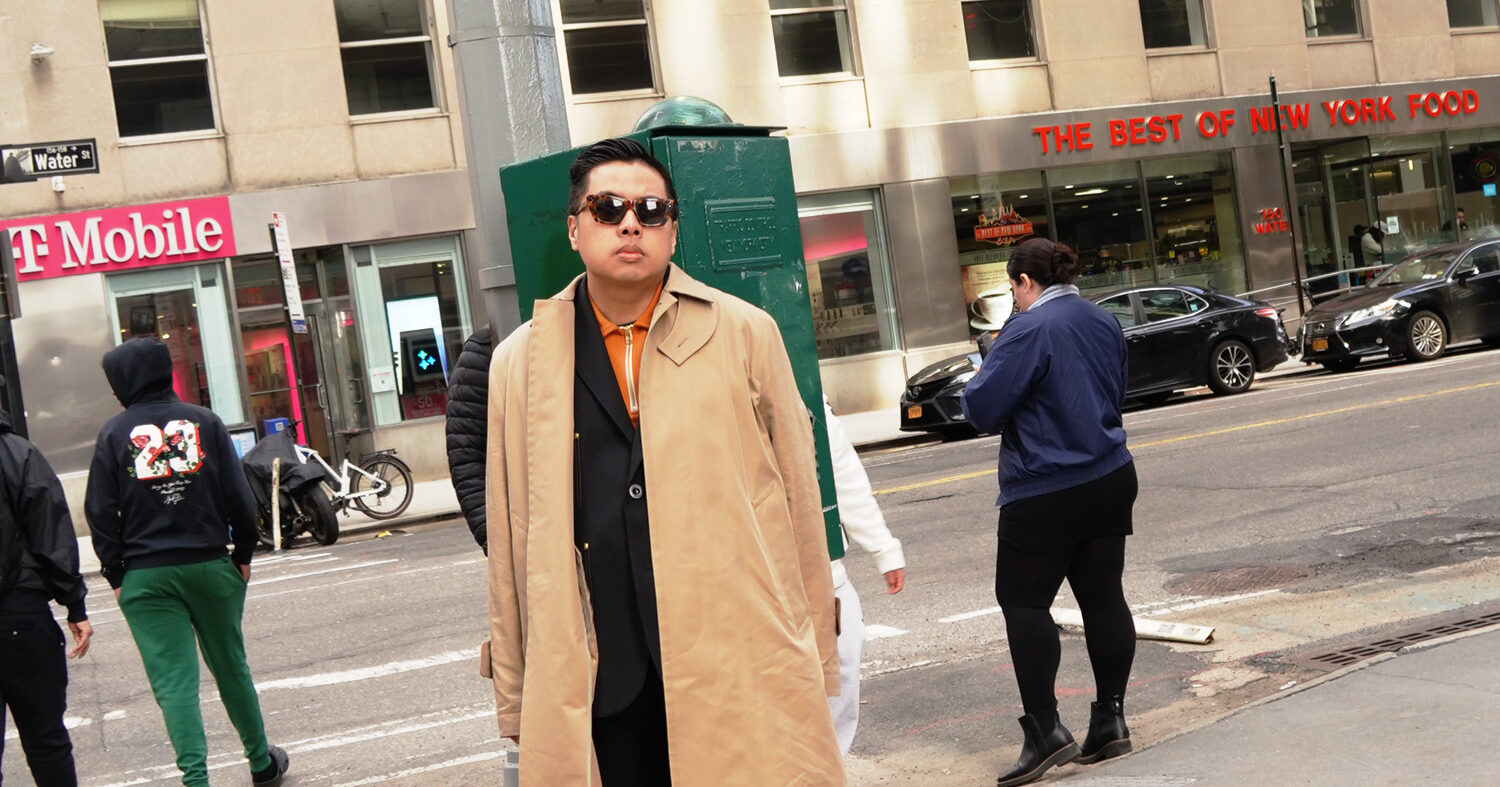
Nordstrom director Jian de Leon on how community cultivates style
BY LALA SINGIAN
Artist Anna Bautista exhibits at the Palazzo Mora in Venice
BY LALA SINGIAN
For Cyrus Cañares, his brand Travelfund by Siriusdan is but a means to an end
BY CARL MARTIN AGUSTIN
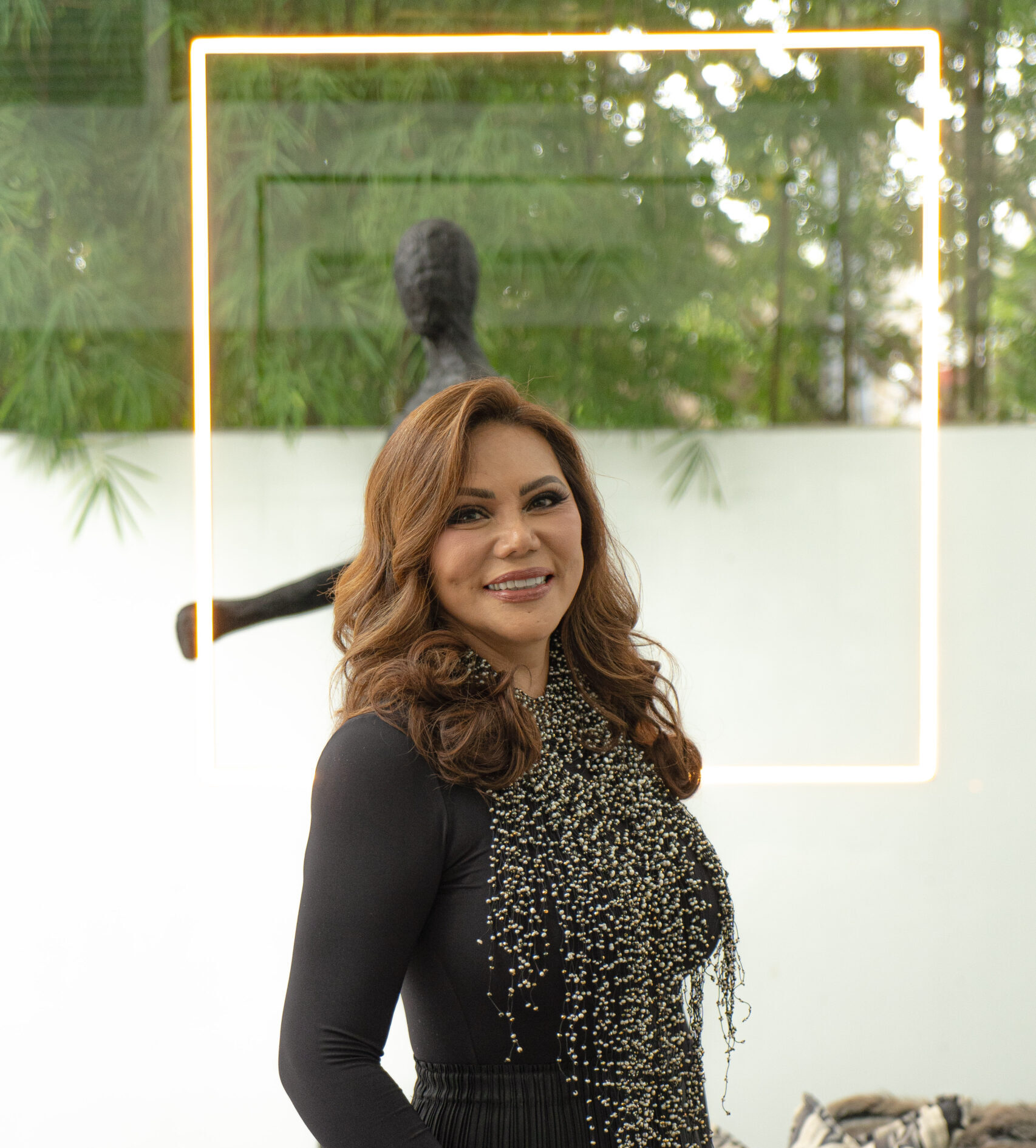
Lessons on business and wellness with clinical herbalist and beauty entrepreneur René Rosario Rodrigo
BY SOPHIA BERBANO CONCORDIA
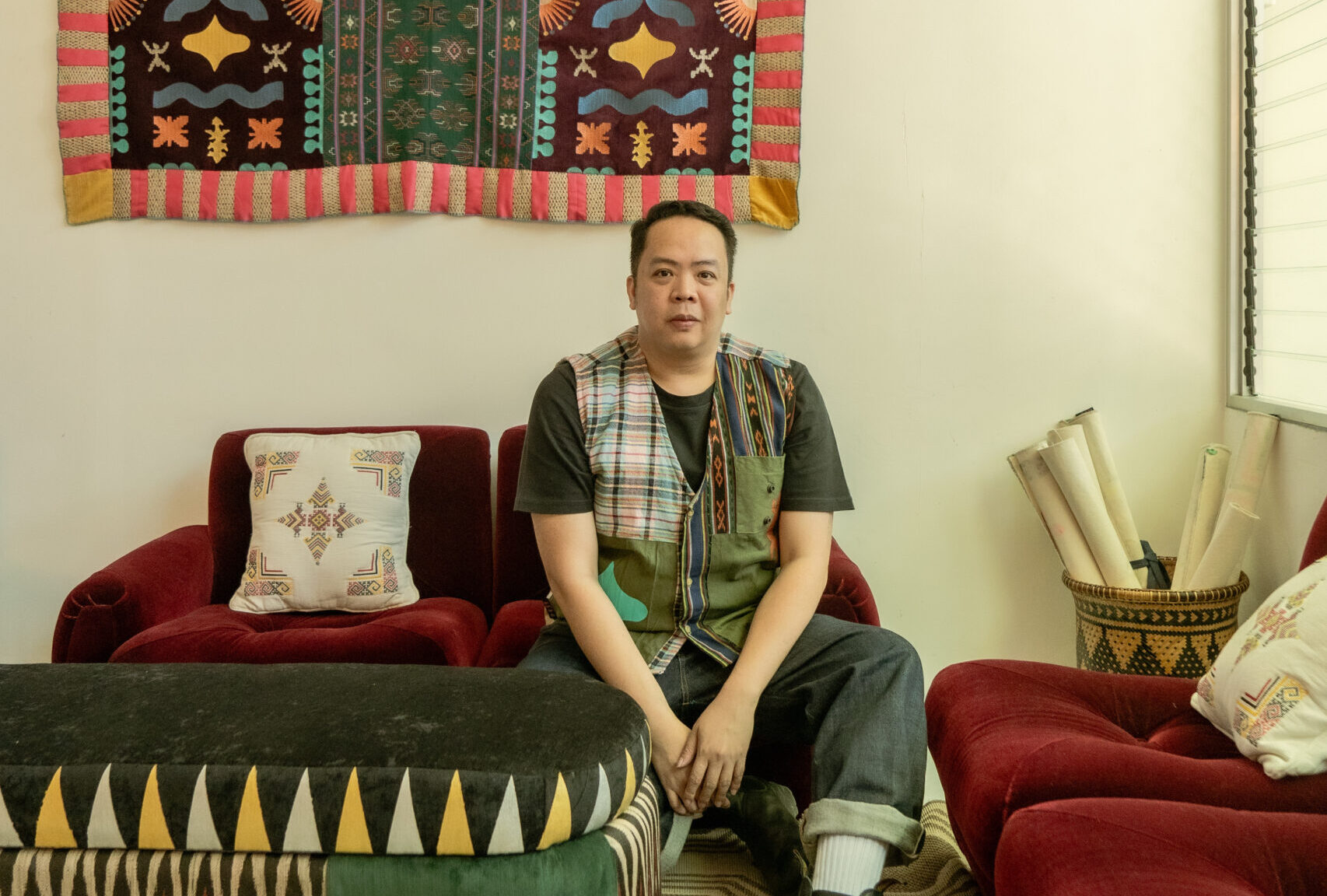
Cynthia Almario on finding balance in and out of her interior design practice
BY SOPHIA BERBANO CONCORDIA
Previous
Next
FASHION
Timothée Chalamet stars in Martin Scorsese’s Bleu De Chanel short film
BY CARL MARTIN AGUSTIN
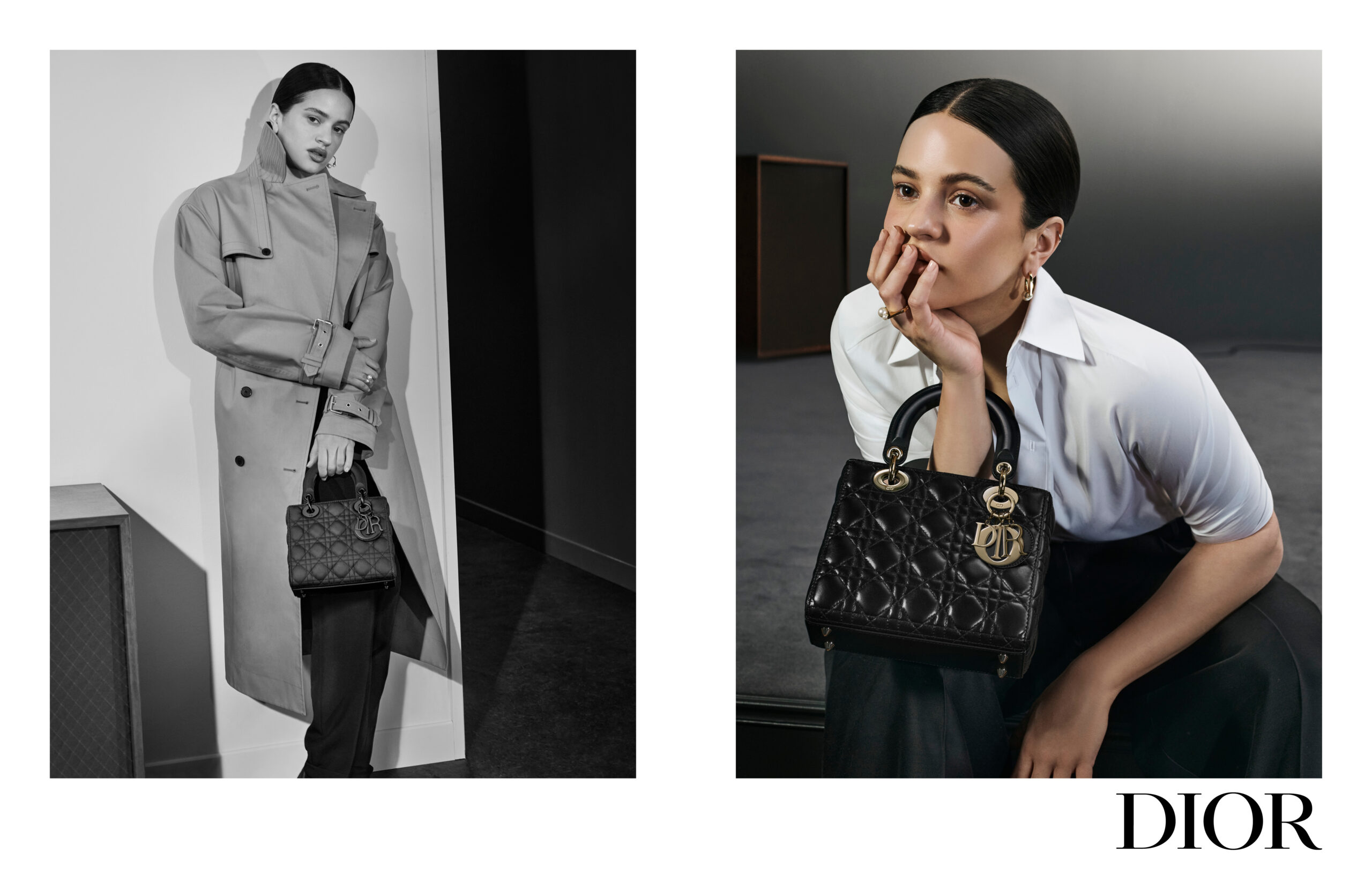
Dior names Rosalía as their newest global ambassador
BY SOPHIA BERBANO CONCORDIA
Boots over wedges: The top 5 shoes every woman should have
BY RIA PRIETO
Rustan’s summer, a state of mind: Check out this season’s must-haves that you can find under one roof
BY THE LIFESTYLE.INQ STAFF
Scent-sory pleasures: 5 fragrances to turn heads
BY RIA PRIETO
With love, for mom: The Mother’s Day guide to timeless gift-giving
BY JAN ALYANNA G. TAMARAY
Previous
Next
BEAUTY
Bedtime to beauty: My 5-step routine to wake up to my best skin
BY RIA PRIETO
The lazy sunbather’s guide to looking fresh
BY RIA PRIETO
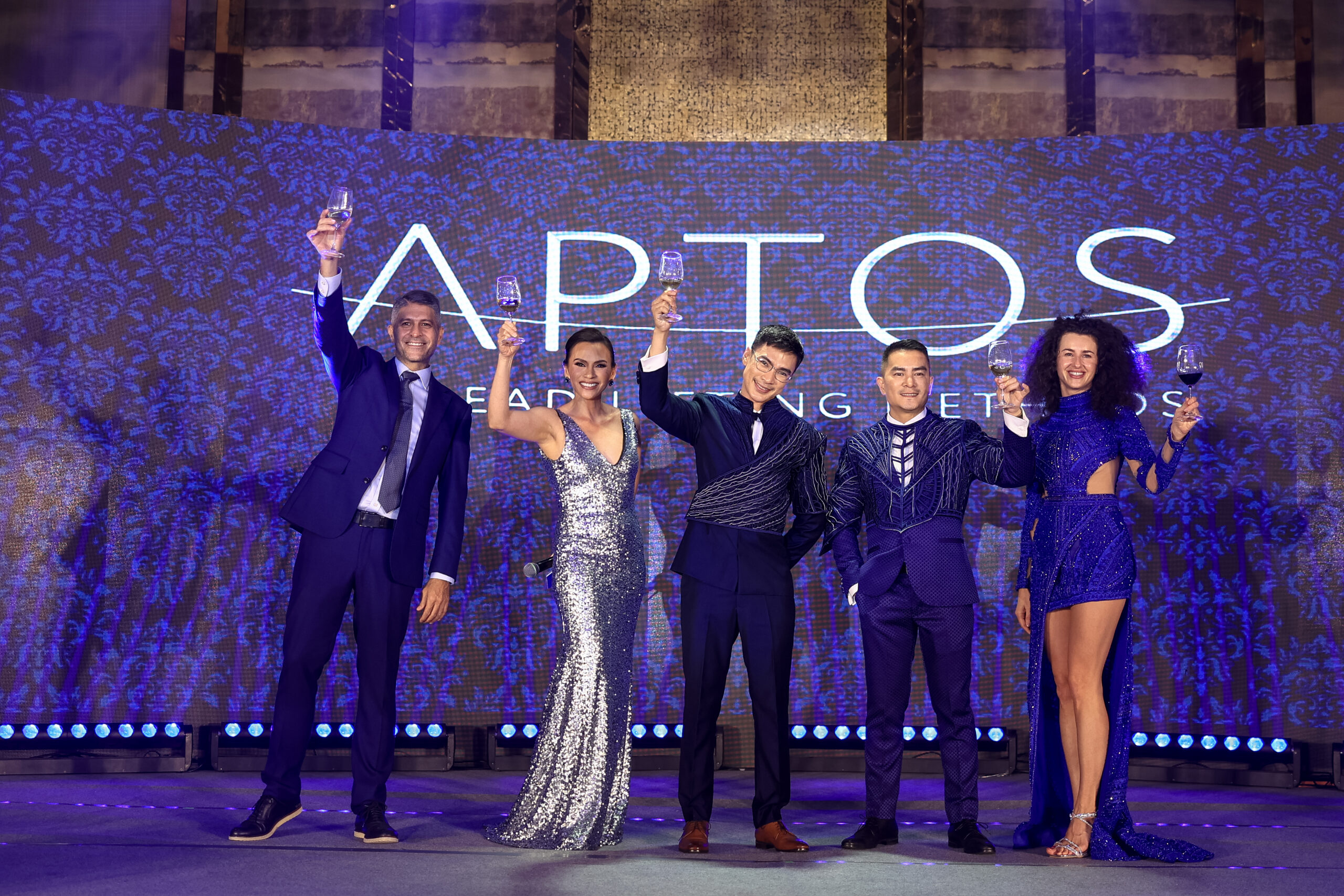
PH beauty clinics recognized by Aptos at grand awards night
BY THE LIFESTYLE.INQ STAFF
How to revamp your summer makeup routine for that sun-kissed glow
BY ALANNA GO
Celebrate skin confidence and the power of a healthy glow with DMark Beauty
BY ALANNA GO
Clara Benin, Zarah Juan, and Elle Battung underscore the importance of self-care
BY CARL MARTIN AGUSTIN
Previous
Next
ART
25 must-see museums and galleries around the world
BY THE LIFESTYLE.INQ STAFF
Let’s talk about the Banksy controversy in Manila
BY LALA SINGIAN
Through realist work with surreal elements, Pope Bacay adds value to mundane objects
BY LALA SINGIAN
Hotter than Manila’s scorching heat are these 15 must-see art exhibitions
BY PATRICK DE VEYRA
Pacita Abad’s art inspires wonder at the Venice Biennale & MoMA PS1
BY LALA SINGIAN
The Metropolitan Museum of Manila releases official statement on Banksy exhibit
BY THE LIFESTYLE.INQ STAFF
Previous
Next
DESIGN
The Benilde Open celebrates the university’s 35th anniversary through multiple creative initiatives
BY LALA SINGIAN
A beautiful chair makes all the difference—just ask Kenneth Cobonpue
BY CARL MARTIN AGUSTIN
Golden Shores: SMDC Sands Residences shines with its property awards
BY SOPHIA BERBANO CONCORDIA
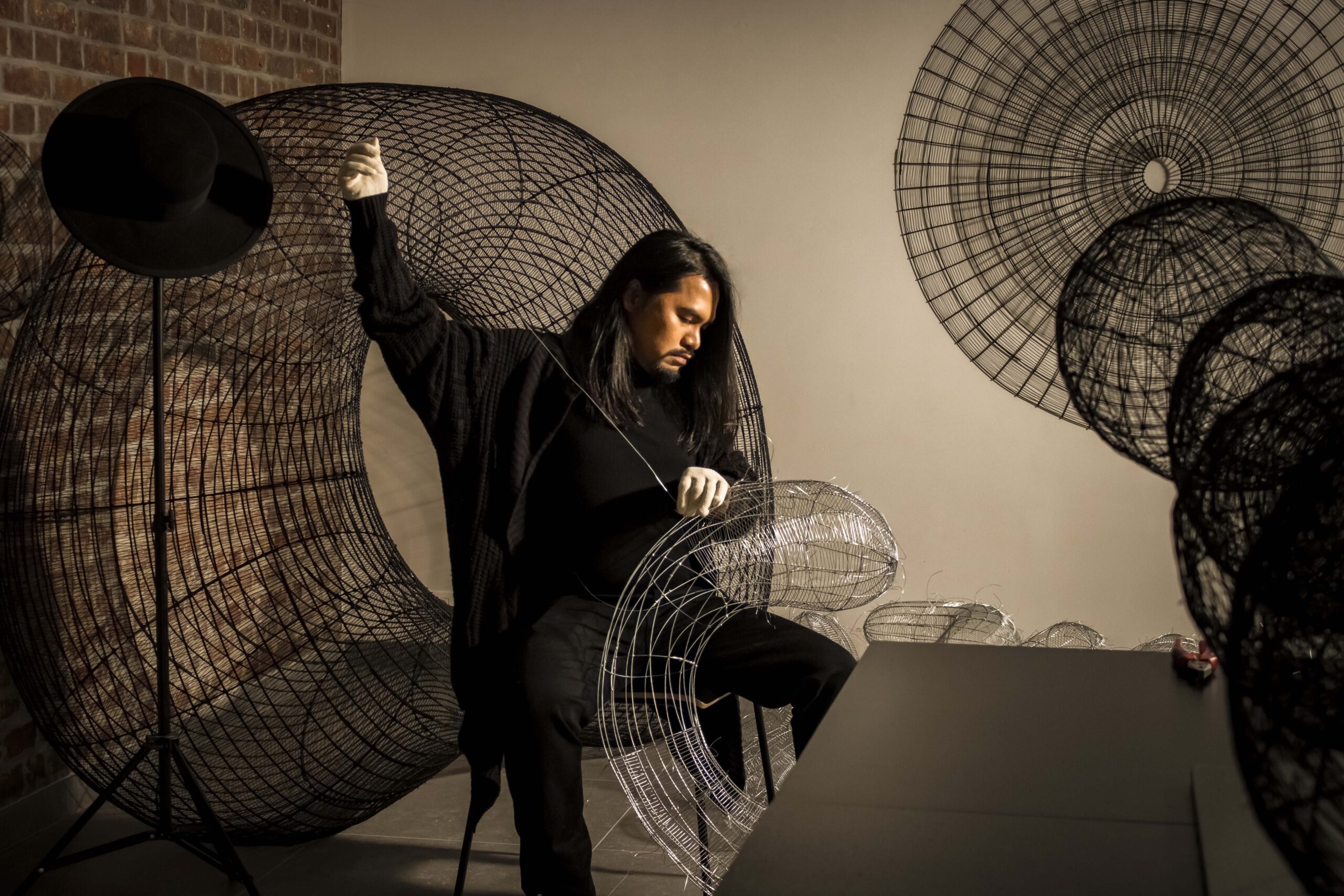
Filipino-Belgian artisan Racso Jugarap emerges as finalist for Loewe Craft Prize
BY THE LIFESTYLE.INQ STAFF
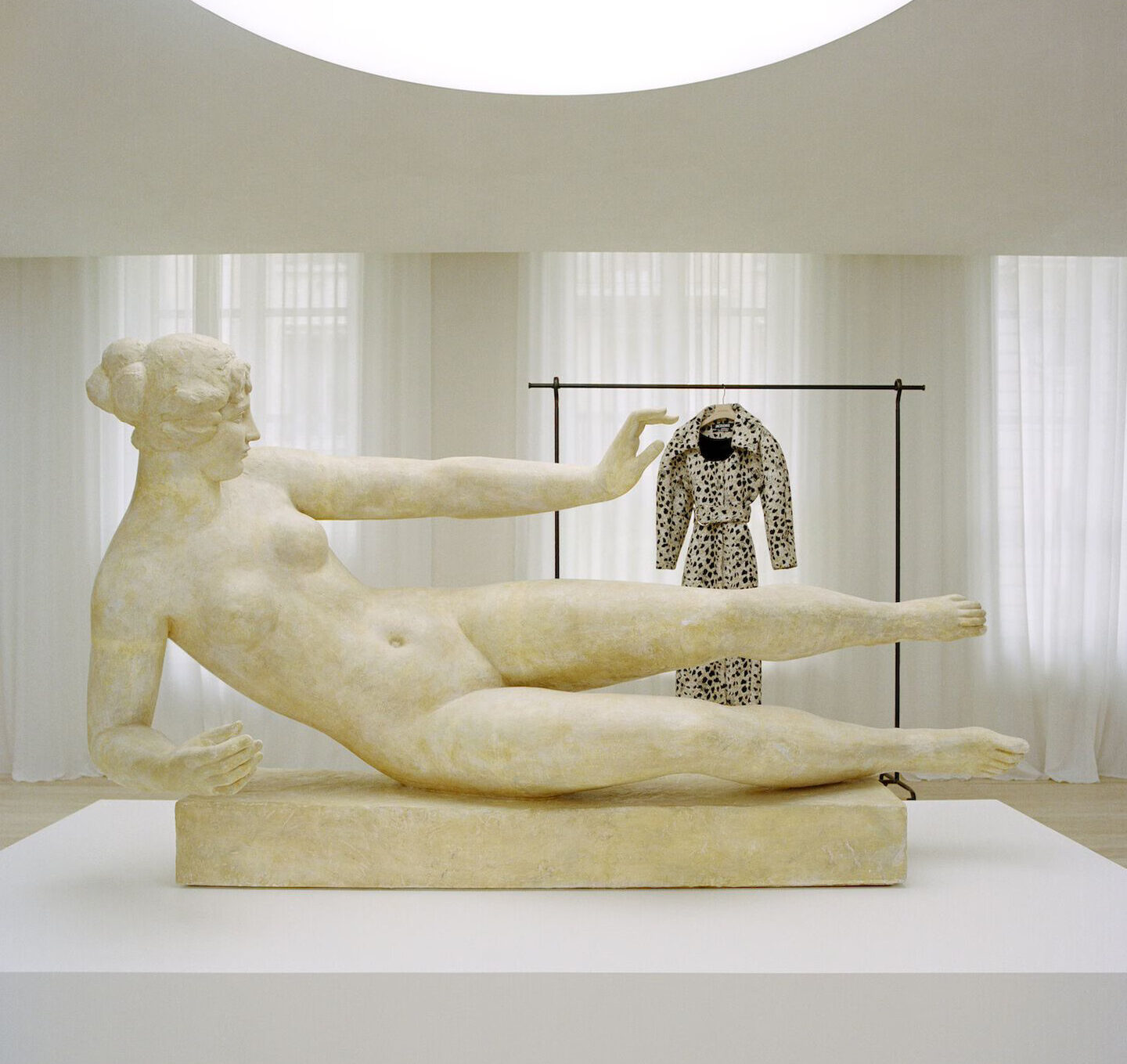
LOOK: Jacquemus unveils gallery-like Paris office
BY CARL MARTIN AGUSTIN
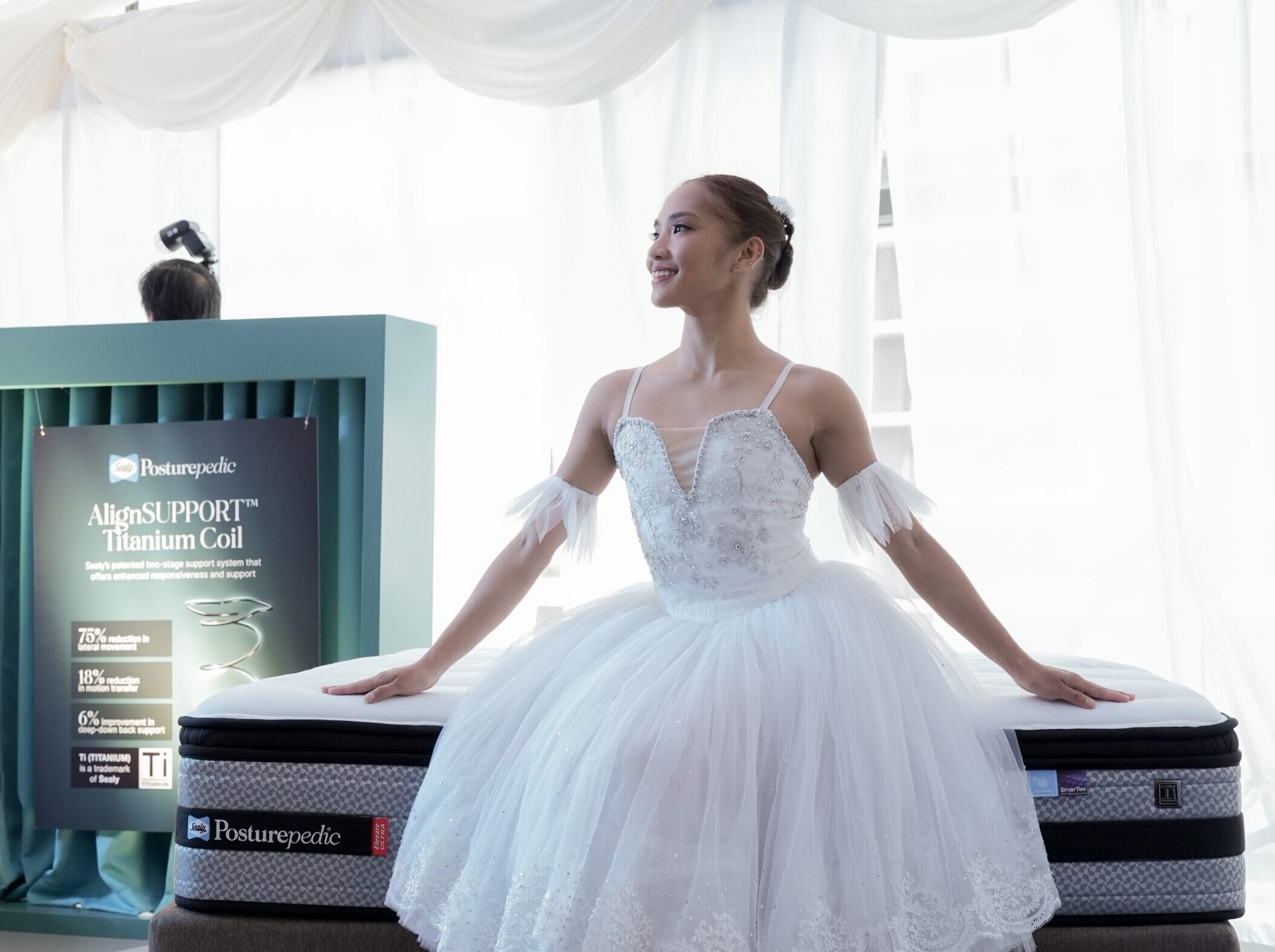
Unveiling next-level luxury: Sealy debuts latest mattress innovation with Ballet Philippines
BY THE LIFESTYLE.INQ STAFF
Previous
Next
FEATURED VIDEO
In His Element: Kaloy Sanchez lets us into his artistic space
BY SOPHIA YSABEL CONCORDIA
CULTURE
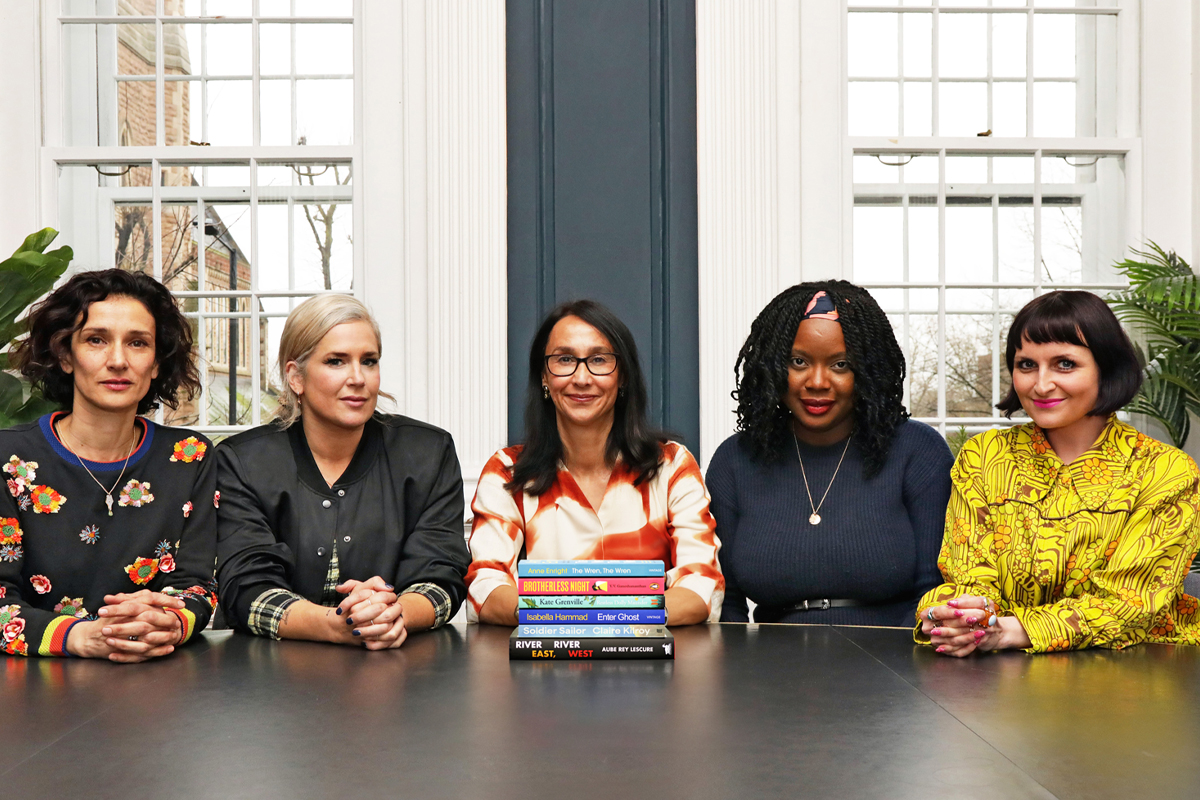
2024 Women’s Prize for Fiction explores the ‘migrant experience,’ ‘intimate family relationships’
BY
Jan Alyanna G. Tamaray
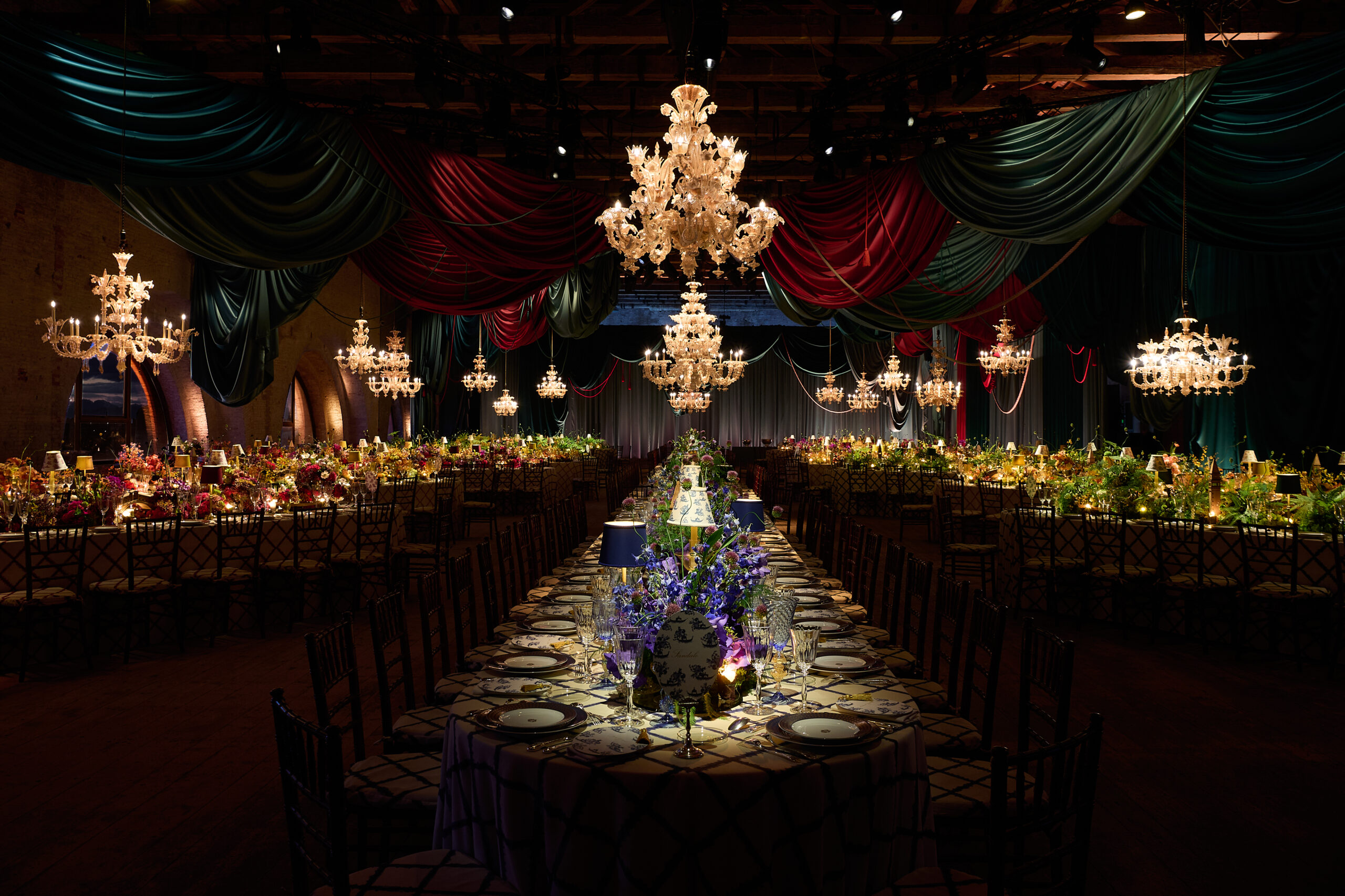
Dior collaborates with the Venetian Heritage Foundation to support Venice’s cultural heritage
BY
The Lifestyle.INQ Staff
International Booker Prize 2024 shortlist includes ‘implicitly optimistic’ titles from 6 countries
BY
Jan Alyanna G. Tamaray
TRAVEL
In Osaka, every bite is a revelation
BY
Colleen Cosme
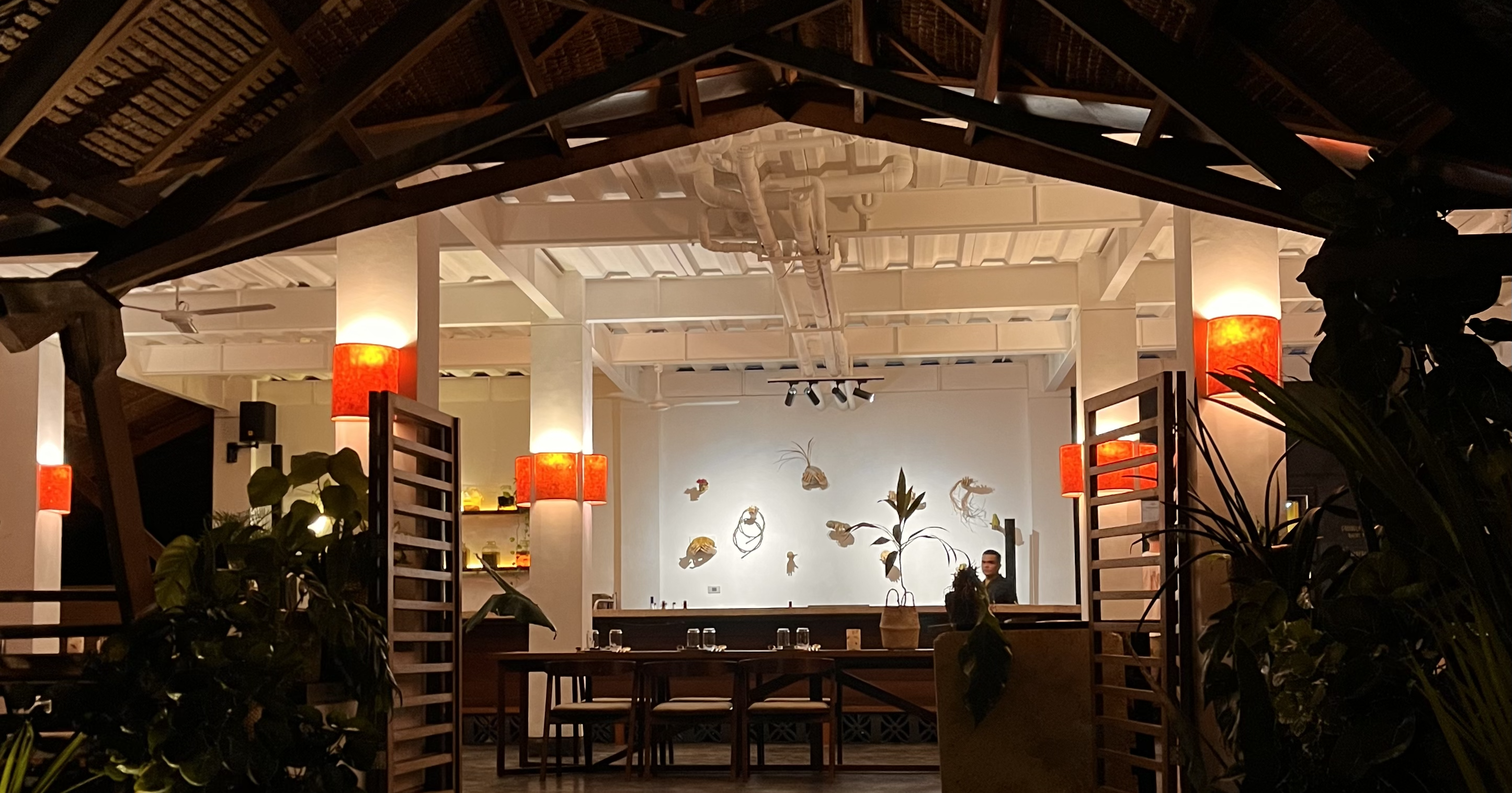
Siargao from morning to night: Where to eat on the island
BY
Lala Singian
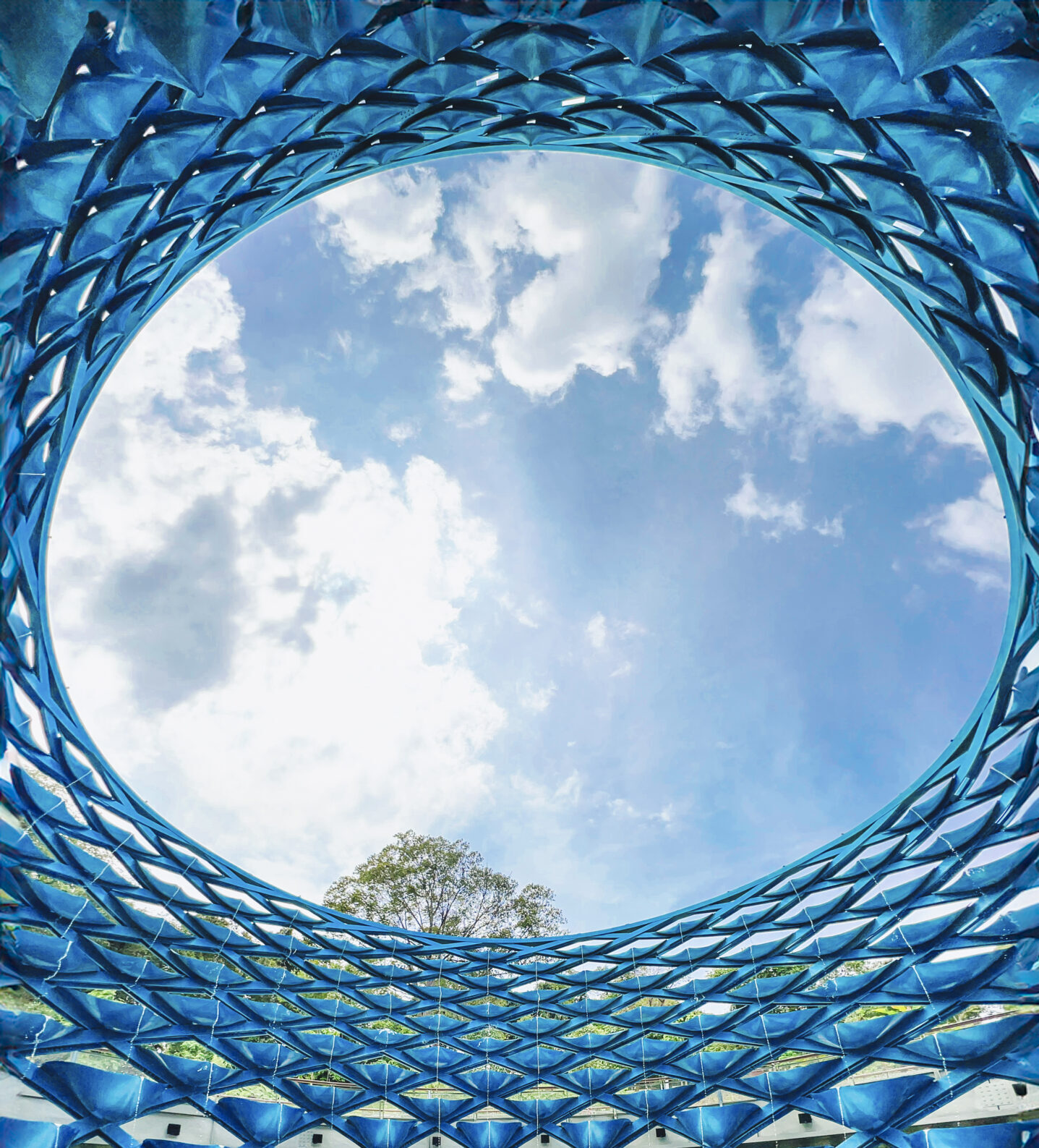
5 places to add to your Singapore Sentosa Island tour
BY
Carl Martin Agustin
FOOD
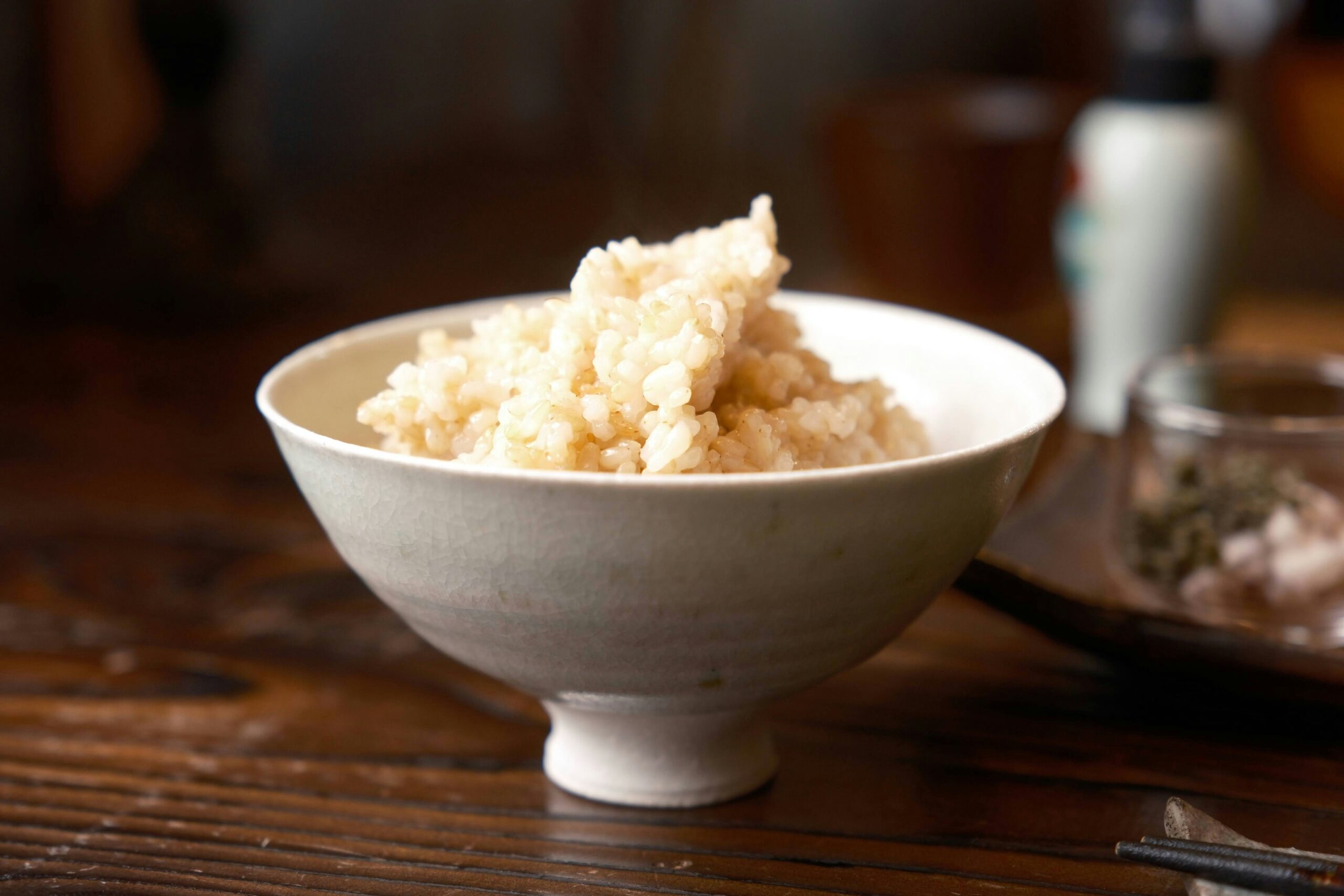
Mesa ni Misis: Brown rice for the win
BY
Juana M. Yupangco MSc
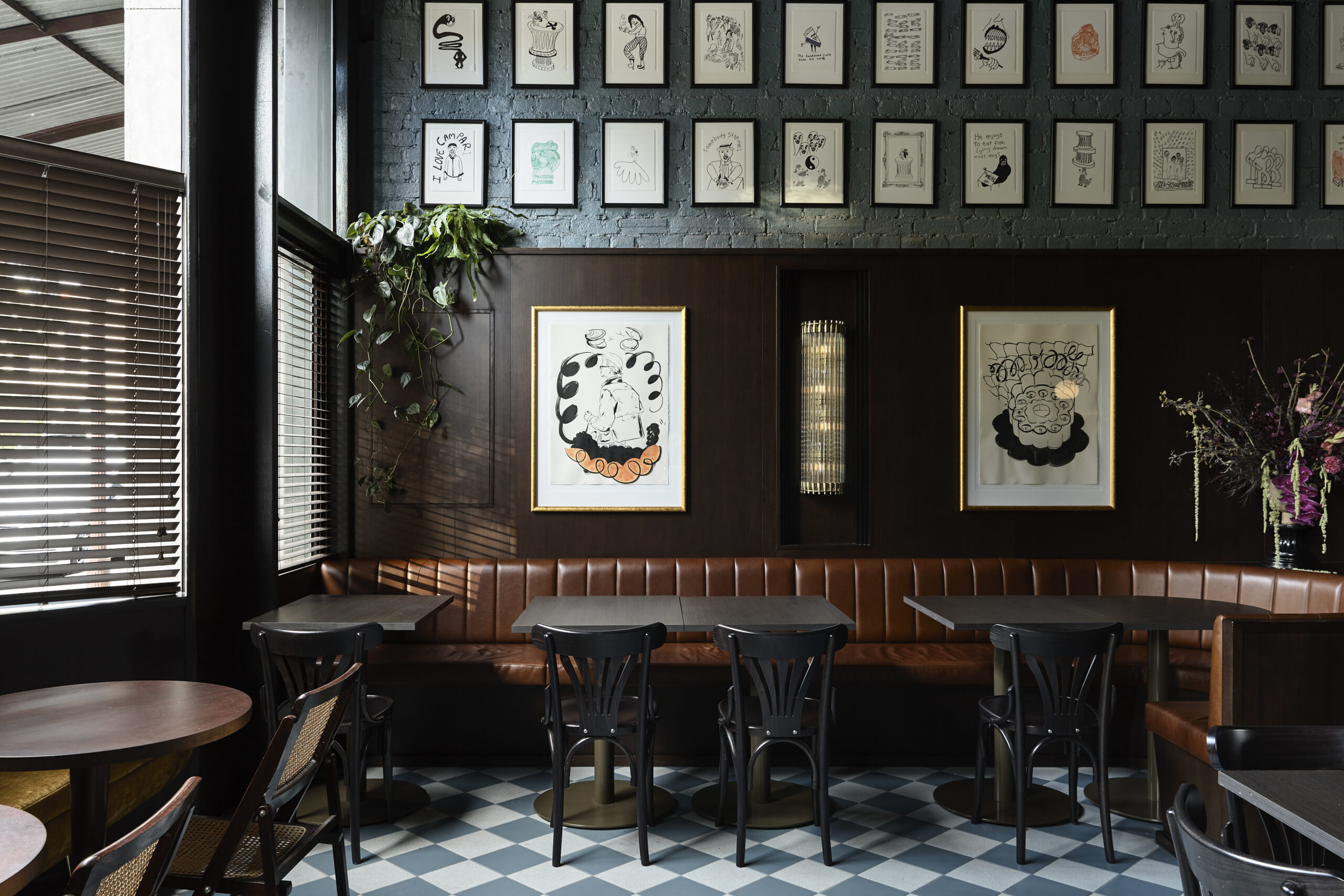
Meet the Melbourne restaurant fostering fun and flair in fine dining
BY
Sophia Berbano Concordia
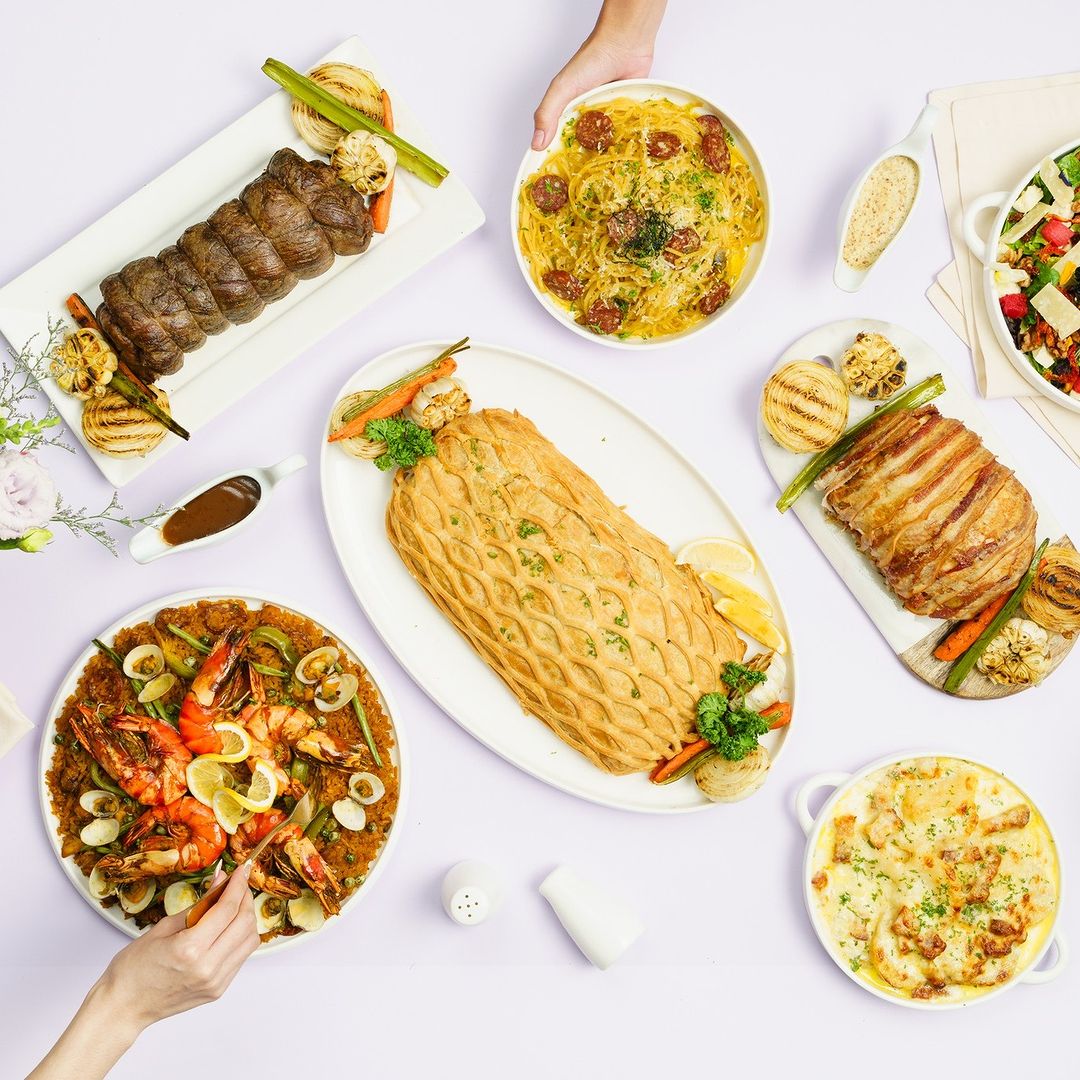
8 places to order Mother’s Day feasts at home
BY
Angela Go Agustin
HUMAN INTEREST
Apl.de.ap pays it forward
BY
Carl Martin Agustin
Who does the Absolute Divorce Act protect and who does it jeopardize?
BY
Carl Martin Agustin
8 women on what their mothers taught them about motherhood
BY
Angela Go Agustin
entertainment
Trump vows to sue over explosive biopic
BY
Andrew MARSZAL via Agence France-Presse
Trump biopic hits Cannes Film Festival
BY
Eric Randolph via Agence France-Presse
Your guide to the 2024 Cannes Film Festival
BY
Ashley Valderrama
health and wellness
Memory loss in young adults, explained
BY
Carl Martin Agustin
Lessons on business and wellness with clinical herbalist and beauty entrepreneur René Rosario Rodrigo
BY
Sophia Berbano Concordia
World Sleep Day: 4 shops for your sleep essentials
BY
Carl Martin Agustin
INQUIRER RED
RED August - September 2022
Insert some text here to add to the space?
VIEW MAGAZINE
FROM THE NICHE TITLES
F&B Report
The Half Saints and Daniel Corpuz collaboration is more than just about food
BY JAR CONCENGCO
Multisport
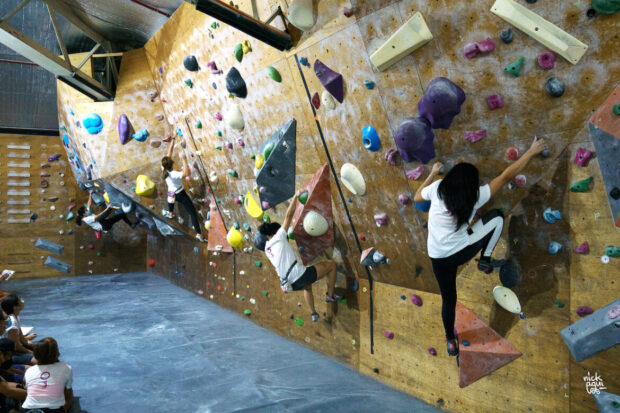
Want to try out climbing? This community for women and by women is the safe space for you
BY ROMEO MORAN
Noli Soli
In defense of touristy spots—as a proud tourist
BY ANDREI YUVALLOS
Preen
6 local queer movies and shows to catch in 2023
BY AMRIE CRUZ
Scout
P-pop group VXON just wants to be honest with you
BY JELOU GALANG
Malaysian brand brews specialty coffee as a necessity rather than luxury
BY INQUIRER.NET BRANDROOM
Passion and ‘heart for children’ guide Wyeth Philippines’ new ‘Promil Gifted Brain Room’ Innovation
BY INQUIRER.NET BRANDROOM
Level up the summer fun with these cool hangout spots on your itinerary
BY INQUIRER.NET BRANDROOM
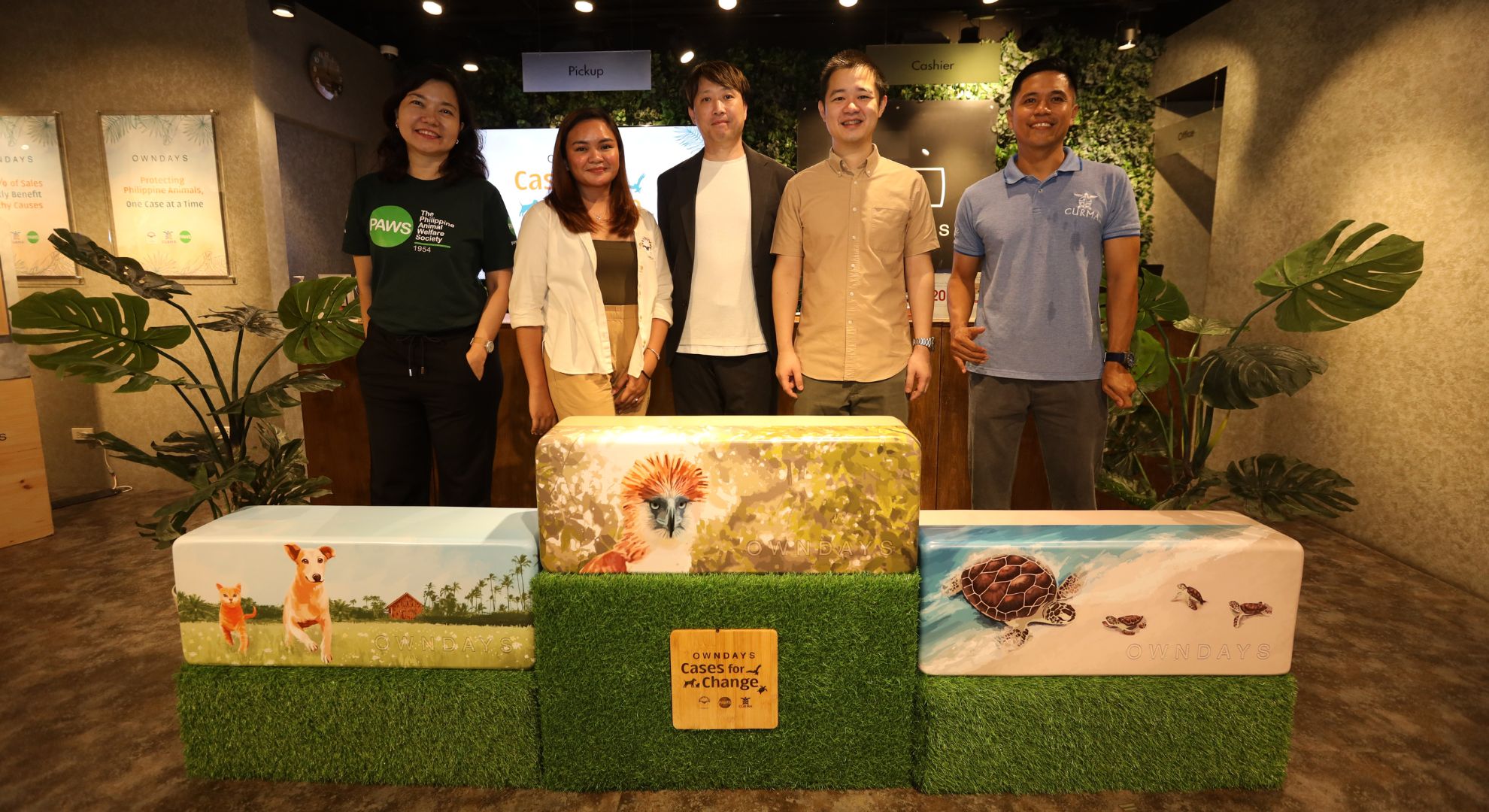
Owndays Philippines unveils ‘Cases For Change,’ an initiative for Philippine animal well-being
BY INQUIRER.NET BRANDROOM
Beer trends and Filipino flavor fondness through the years
BY INQUIRER.NET BRANDROOM
The incalculable costs of hospitalization in the Philippines
BY INQUIRER.NET BRANDROOM
Previous
Next
McDonald’s McSavers Mix & Match: Make any day special for as low as Php 79
BY INQUIRER.NET BRANDROOM
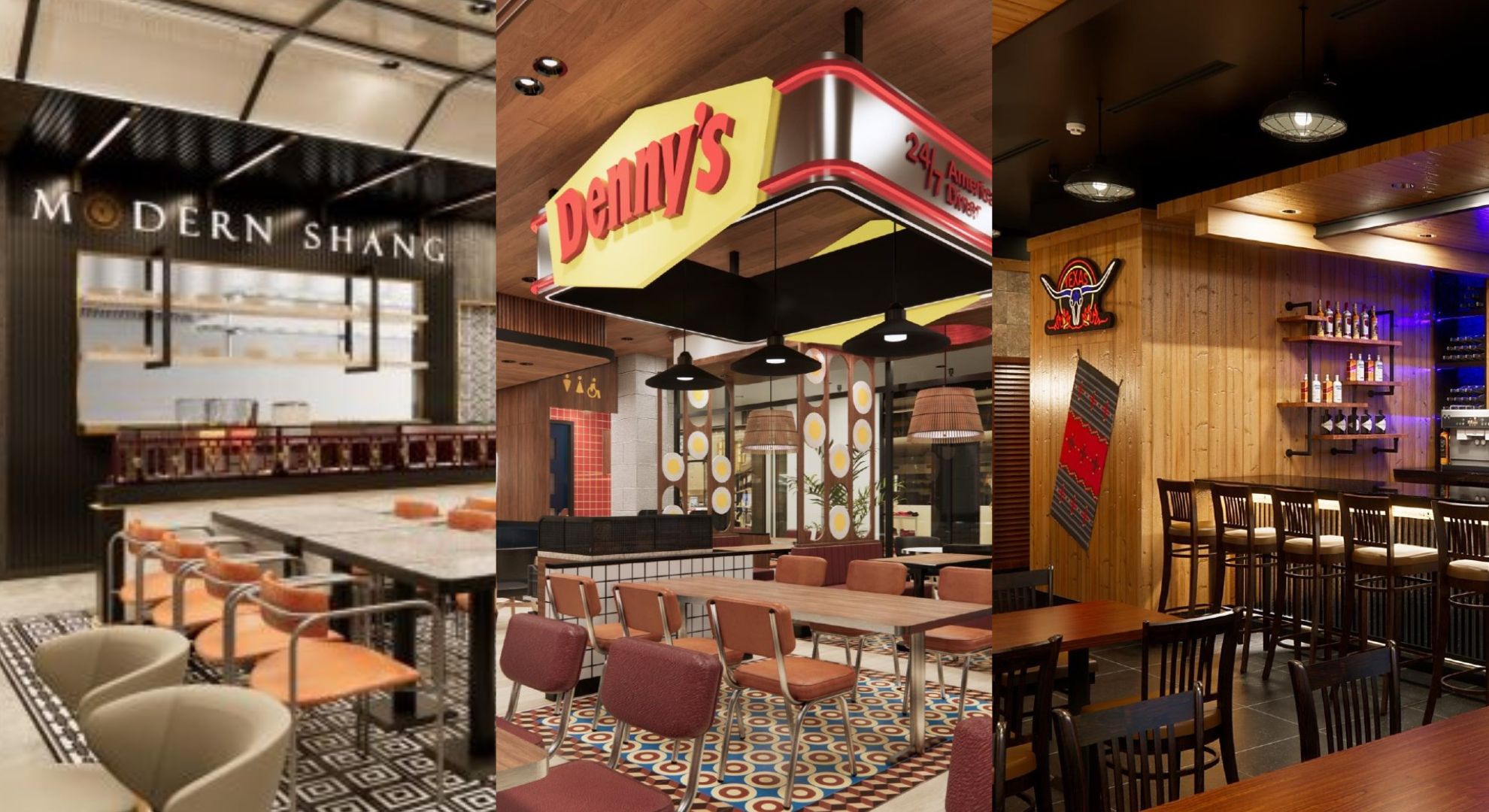
Texas Roadhouse, Denny’s and Modern Shang are now open at Ayala Malls Vermosa
BY INQUIRER.NET BRANDROOM
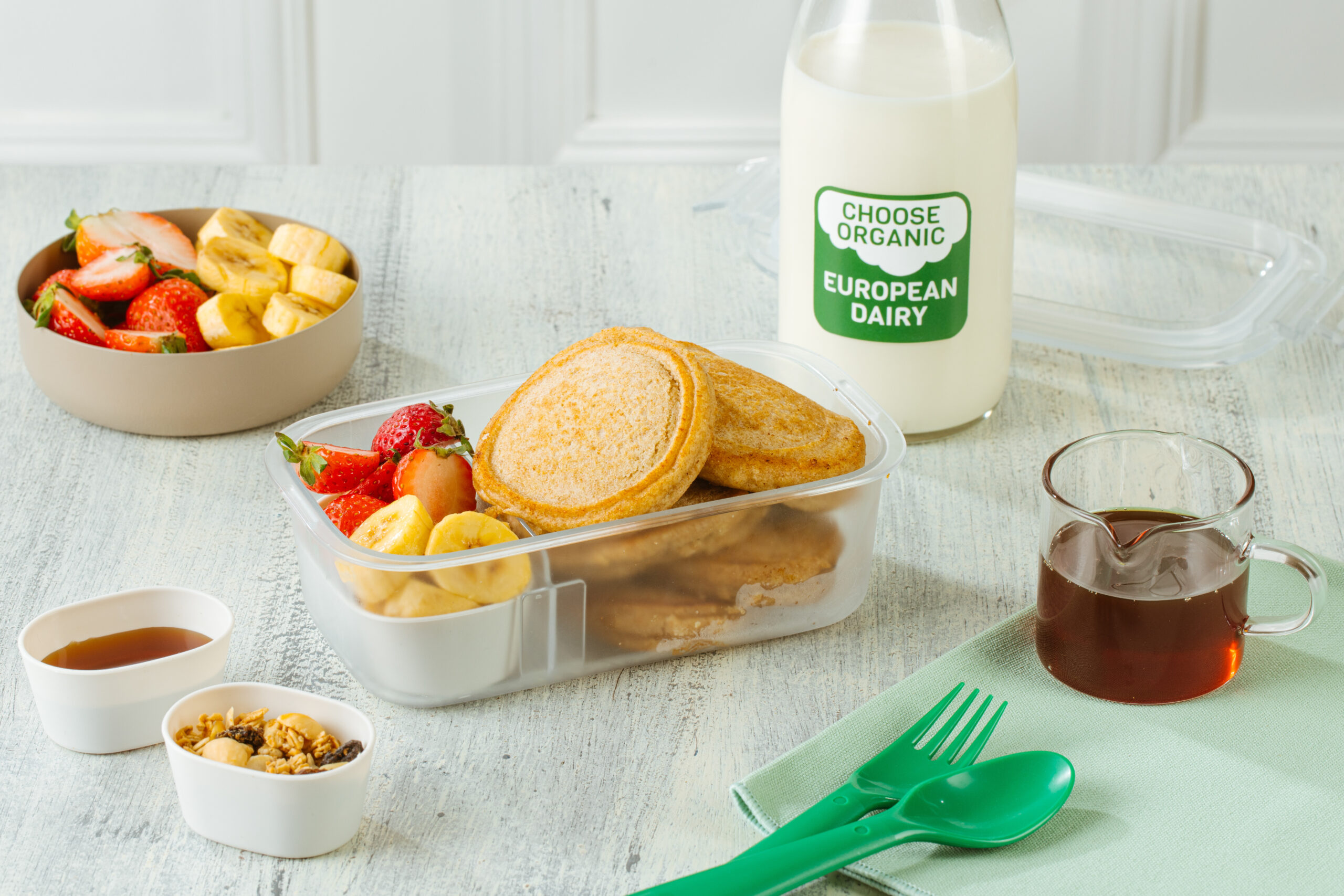
How Organic European Dairy Contributes to a Balanced and Sustainable Diet
BY CARL MARTIN AGUSTIN
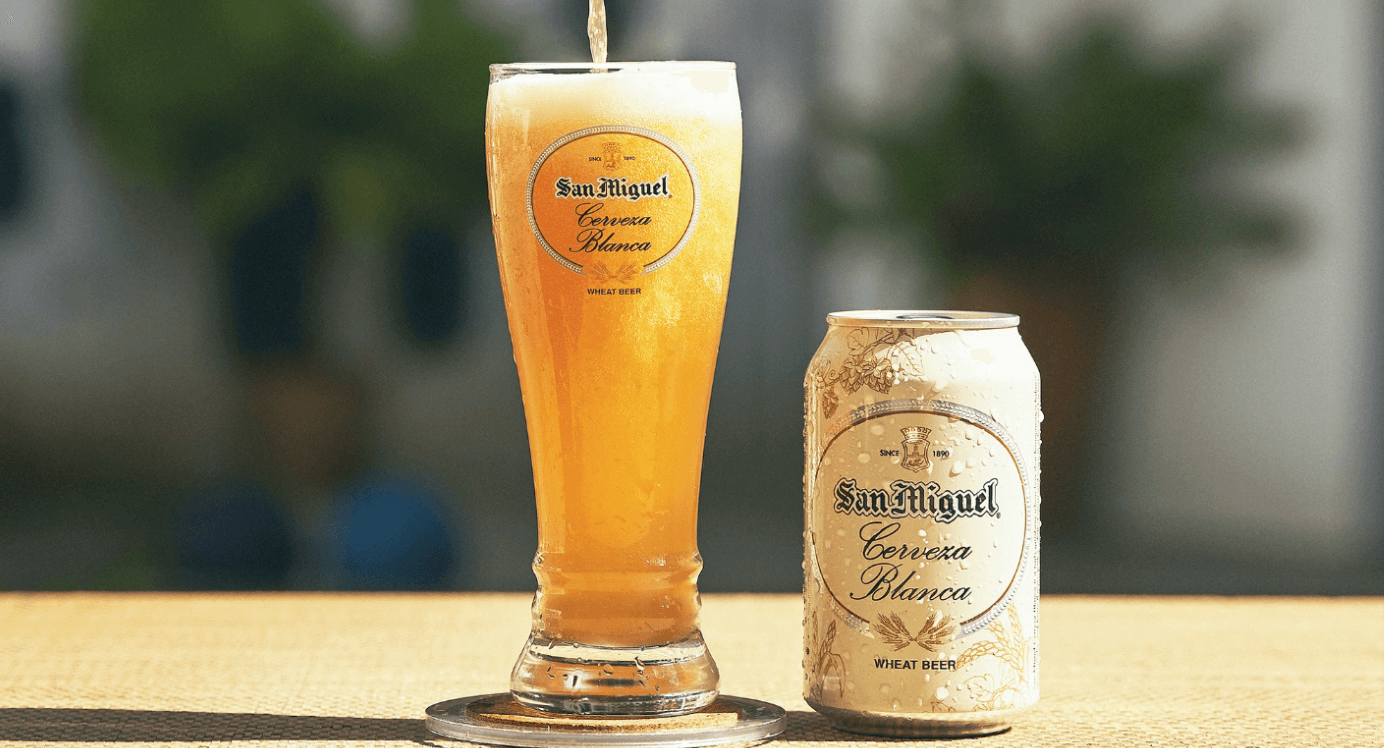
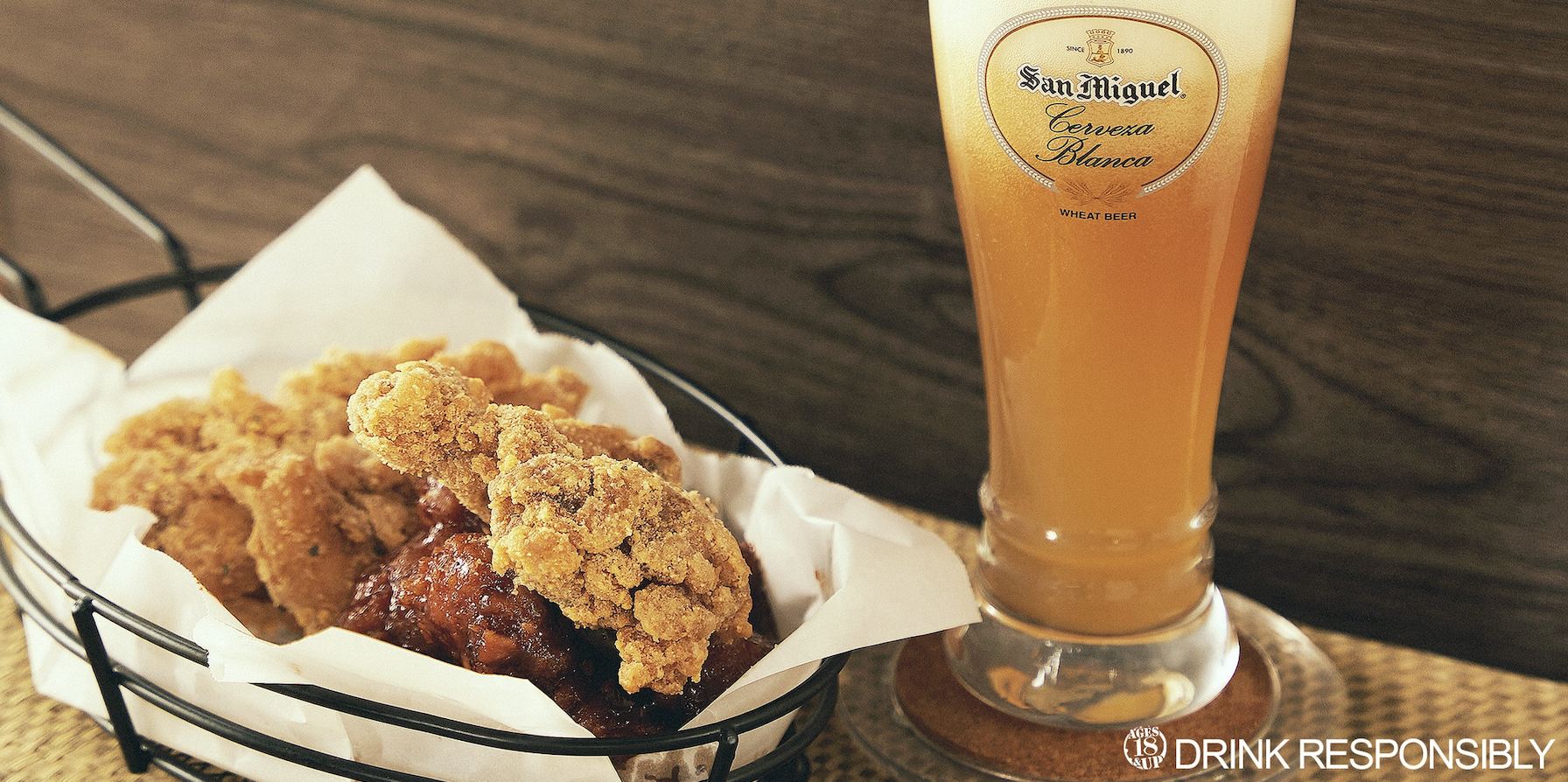
Have a distinct beer experience with this authentic local wheat beer
BY INQUIRER.NET BRANDROOM
Embrace self-care at CURA Spa, Rancho Bernardo’s new luxury spa
BY INQUIRER.NET BRANDROOM
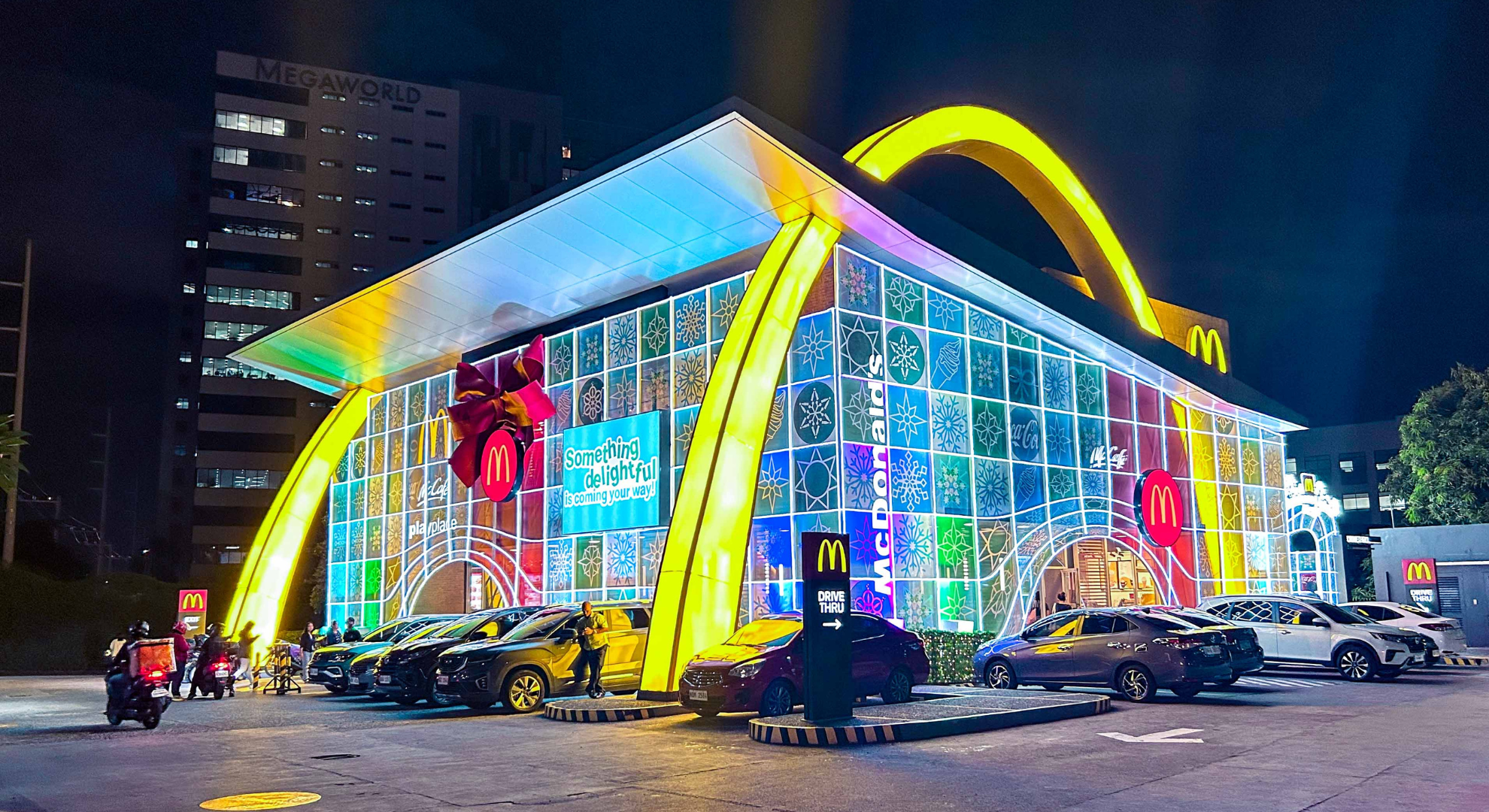
The McDonald’s Christmas Light Magic reflects 3 things Filipinos love about Christmas
BY INQUIRER.NET BRANDROOM
Previous
Next